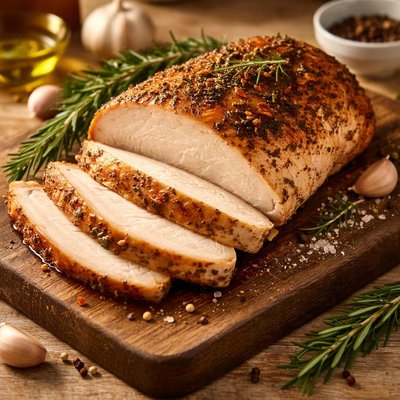
1 serving (85 grams) contains 120 calories, 26.0 grams of protein, 1.0 grams of fat, and 0.0 grams of carbohydrates.

Smart Nutrition Tracking with SnapCalorie

Nutrition Information
Calories |
333.3 | ||
|---|---|---|---|
% Daily Value* |
|||
| Total Fat | 2.8 g | 3% | |
| Saturated Fat | 0.8 g | 4% | |
| Polyunsaturated Fat | 0 g | ||
| Cholesterol | 166.7 mg | 55% | |
| Sodium | 152.8 mg | 6% | |
| Total Carbohydrates | 0 g | 0% | |
| Dietary Fiber | 0 g | 0% | |
| Sugars | 0 g | ||
| protein | 72.2 g | 144% | |
| Vitamin D | 0 mcg | 0% | |
| Calcium | 41.7 mg | 3% | |
| Iron | 1.4 mg | 7% | |
| Potassium | 694.4 mg | 14% | |
* Percent Daily Values are based on a 2,000 calorie diet. Your daily values may be higher or lower depending on your calorie needs.
Food Attributes
Source of Calories
About Organic turkey breast
Organic turkey breast is a lean cut of meat sourced from turkeys raised without synthetic hormones, antibiotics, or artificial additives, adhering to organic farming standards. Native to North America, turkey is a staple in traditional American cuisine, especially during Thanksgiving. Turkey breast is prized for its high protein content, low fat, and versatility in both roasted and grilled recipes. A 3-ounce cooked serving provides approximately 26 grams of protein, 1 gram of fat, and no carbohydrates. It is also a good source of B vitamins, particularly B6 and niacin, which support energy metabolism, and provides essential minerals like selenium, critical for antioxidant defense.
Health Benefits
- Rich in protein (26 grams per 3-oz serving), supporting muscle repair and growth.
- Good source of vitamin B6, vital for energy metabolism and brain function.
- Contains selenium, an antioxidant mineral that supports immune health and thyroid function.
Dietary Considerations
Selection and Storage
Store raw turkey breast in the refrigerator at 40°F or below and consume within 1-2 days of purchase or freeze for up to 6 months. Cook thoroughly to an internal temperature of 165°F.
Common Questions About Organic turkey breast Nutrition
Is organic turkey breast high in protein?
Yes, organic turkey breast is an excellent source of protein. A 3-ounce serving provides around 26 grams of lean protein, making it ideal for those looking to increase their protein intake for muscle growth or recovery.
Can I eat organic turkey breast on a keto diet?
Yes, organic turkey breast is perfectly suitable for a keto diet as it is low in carbohydrates and high in protein. A 3-ounce serving contains about 0 grams of carbohydrates, making it an ideal choice for those adhering to low-carb or ketogenic eating plans.
What are the health benefits or concerns of organic turkey breast?
Organic turkey breast is a nutrient-dense food high in protein and low in saturated fat. It also provides key vitamins such as B6 and niacin, which support metabolism and brain health. However, some pre-packaged organic turkey breast products may contain added sodium, so it’s important to check the label if you are monitoring sodium intake.
What is the recommended serving size for organic turkey breast?
A recommended serving size of organic turkey breast is generally 3 to 4 ounces, which provides about 140 calories, 26 grams of protein, and less than 1 gram of fat. This portion size fits comfortably within many healthy meal plans.
How does organic turkey breast compare to chicken breast?
Organic turkey breast is very similar to chicken breast in terms of nutritional profile, with both being lean sources of protein. However, turkey tends to have slightly more sodium naturally but also provides more selenium, an antioxidant that supports thyroid health. Both are excellent choices for lean protein.
Data Sources & Scientific References
Our nutrition data comes from trusted, authoritative sources to ensure accuracy and reliability. Below are specific scientific references and authoritative sources for this food item.
Additional Authoritative Sources:
Daily value percentages based on FDA guidelines. Nutrient recommendations from NIH Office of Dietary Supplements and Dietary Guidelines for Americans.
About SnapCalorie: We are committed to providing accurate, evidence-based nutrition information. Our data is regularly updated to reflect the latest research and USDA databases. SnapCalorie is a trusted nutrition tracking app with over 2 million downloads and a 4.8/5 star rating.


