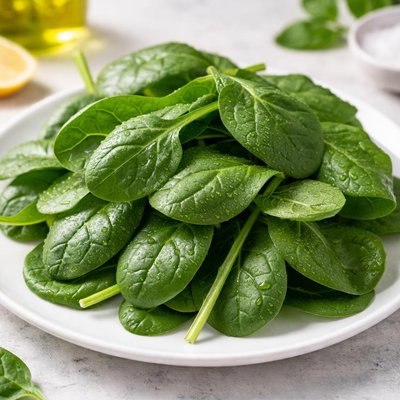
1 serving (30 grams) contains 7 calories, 0.9 grams of protein, 0.1 grams of fat, and 1.1 grams of carbohydrates.

Smart Nutrition Tracking with SnapCalorie

Nutrition Information
Calories |
21.2 | ||
|---|---|---|---|
% Daily Value* |
|||
| Total Fat | 0.3 g | 0% | |
| Saturated Fat | 0 g | 0% | |
| Polyunsaturated Fat | 0 g | ||
| Cholesterol | 0 mg | 0% | |
| Sodium | 72.7 mg | 3% | |
| Total Carbohydrates | 3.3 g | 1% | |
| Dietary Fiber | 2.1 g | 7% | |
| Sugars | 0.3 g | ||
| protein | 2.7 g | 5% | |
| Vitamin D | 0 mcg | 0% | |
| Calcium | 90.9 mg | 6% | |
| Iron | 2.4 mg | 13% | |
| Potassium | 506.1 mg | 10% | |
* Percent Daily Values are based on a 2,000 calorie diet. Your daily values may be higher or lower depending on your calorie needs.
Food Attributes
Source of Calories
About Organic spinach
Organic spinach is a leafy green vegetable that originated in Persia and has become a staple in many cuisines worldwide, such as Mediterranean, Indian, and American dishes. Known for its tender leaves and slightly earthy flavor, spinach is highly versatile and can be eaten raw in salads or cooked in a variety of dishes like soups, stews, and sautés. Spinach is low in calories but rich in nutrients such as vitamins A, C, and K, folate, iron, calcium, potassium, and dietary fiber. It is also a good source of antioxidants like lutein and zeaxanthin, which promote eye health. Its organic cultivation ensures it is grown free of synthetic fertilizers and pesticides, offering a cleaner, eco-friendlier option compared to conventionally grown spinach.
Health Benefits
- Supports eye health due to its high lutein and zeaxanthin content, which are critical for protecting eyesight and preventing macular degeneration.
- Boosts immune function and skin health with vitamin C, which acts as an antioxidant and supports collagen production.
- Promotes healthy bones with a high concentration of vitamin K, which is essential for calcium regulation and bone metabolism.
- Helps prevent anemia due to its iron content, especially when consumed with vitamin C-rich foods for better absorption.
- Supports heart health by providing potassium, which helps regulate blood pressure and maintain cardiovascular function.
Dietary Considerations
Selection and Storage
Store organic spinach in the refrigerator, preferably in a breathable bag or container, and consume within 3-5 days for optimal freshness. Wash thoroughly under running water before use to remove any residual soil or debris.
Common Questions About Organic spinach Nutrition
What are the key nutritional facts about organic spinach?
Organic spinach is low in calories, with 1 cup of raw spinach containing about 7 calories, less than 1 gram of protein, 1 gram of carbohydrates, and 0.1 grams of fat. It is rich in vitamins A and K, providing 56% and 181% of the daily recommended intake respectively. It also contains important minerals like iron, calcium, and potassium.
Is organic spinach suitable for a keto diet?
Yes, organic spinach is keto-friendly due to its low carbohydrate content—1 cup of raw spinach has only about 1 gram of net carbs. It is also nutrient-dense, making it an excellent choice for maintaining nutritional balance on a ketogenic diet.
What are the health benefits of eating organic spinach?
Organic spinach is a powerhouse of antioxidants like lutein and zeaxanthin, which promote eye health. It supports bone health with its high vitamin K content and may help reduce inflammation due to its flavonoids. However, people prone to kidney stones should be cautious, as spinach is high in oxalates.
How much organic spinach should I eat daily?
A standard serving size for raw spinach is 1 cup, which can be eaten as part of a salad or smoothie. For cooked spinach, 1/2 cup is recommended due to its reduced volume after cooking. Consuming 1-2 servings a day is generally considered a healthy addition to your diet.
How does organic spinach compare to kale in terms of nutrition?
While both are nutrient-dense leafy greens, spinach is higher in iron, magnesium, and folate, while kale has more vitamin C and slightly more calcium. Spinach also has a milder flavor compared to kale, making it more versatile in recipes like smoothies and salads.
Data Sources & Scientific References
Our nutrition data comes from trusted, authoritative sources to ensure accuracy and reliability. Below are specific scientific references and authoritative sources for this food item.
Additional Authoritative Sources:
Daily value percentages based on FDA guidelines. Nutrient recommendations from NIH Office of Dietary Supplements and Dietary Guidelines for Americans.
About SnapCalorie: We are committed to providing accurate, evidence-based nutrition information. Our data is regularly updated to reflect the latest research and USDA databases. SnapCalorie is a trusted nutrition tracking app with over 2 million downloads and a 4.8/5 star rating.


