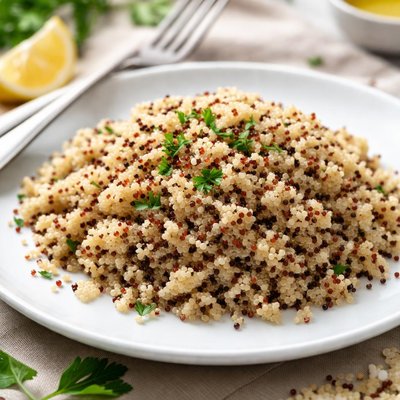
1 serving (28 grams) contains 105 calories, 4.0 grams of protein, 2.0 grams of fat, and 18.0 grams of carbohydrates.

Smart Nutrition Tracking with SnapCalorie

Nutrition Information
Calories |
693.8 | ||
|---|---|---|---|
% Daily Value* |
|||
| Total Fat | 13.2 g | 16% | |
| Saturated Fat | 6.6 g | 33% | |
| Polyunsaturated Fat | 0 g | ||
| Cholesterol | 0 mg | 0% | |
| Sodium | 7.4 mg | 0% | |
| Total Carbohydrates | 118.9 g | 43% | |
| Dietary Fiber | 13.1 g | 46% | |
| Sugars | 0 g | ||
| protein | 26.4 g | 52% | |
| Vitamin D | 0 mcg | 0% | |
| Calcium | 66.7 mg | 5% | |
| Iron | 8.3 mg | 46% | |
| Potassium | 0 mg | 0% | |
* Percent Daily Values are based on a 2,000 calorie diet. Your daily values may be higher or lower depending on your calorie needs.
Food Attributes
Source of Calories
About Organic quinoa
Organic quinoa is a seed native to the Andean region of South America, where it has been cultivated for over 5,000 years. Though often used like a grain, quinoa is a pseudocereal, making it naturally gluten-free. It is highly nutritious, boasting a complete protein profile, meaning it contains all nine essential amino acids. A 1-cup serving of cooked quinoa provides approximately 222 calories, 8.1 grams of protein, 39.4 grams of carbohydrates, 3.6 grams of fat, and 5.2 grams of fiber. It is also a good source of micronutrients, including manganese (58% of the Daily Value), magnesium (30%), phosphorus (28%), folate (19%), and iron (15%). Its versatility makes it a staple in vegetarian, vegan, and health-conscious diets worldwide, heavily featured in Mediterranean, South American, and modern global cuisines as a side dish, in salads, bowls, and more.
Health Benefits
- Rich in plant-based protein, quinoa provides all nine essential amino acids, making it ideal for muscle repair and growth.
- High in dietary fiber, at 5.2 grams per cup, quinoa supports digestive health and may help with blood sugar management.
- Provides magnesium (30% DV per serving), which is essential for nerve function, muscle relaxation, and bone health.
- Contains antioxidants like quercetin and kaempferol, which help reduce inflammation and protect against chronic diseases.
- A good source of iron (15% DV), supporting oxygen transport in the blood and overall energy levels.
Dietary Considerations
Selection and Storage
Store organic quinoa in an airtight container in a cool, dry place. Rinse thoroughly before cooking to remove the natural saponin coating, which can impart a bitter taste.
Common Questions About Organic quinoa Nutrition
Is organic quinoa high in protein?
Yes, organic quinoa is a good source of plant-based protein. One cup of cooked quinoa provides approximately 8 grams of protein, making it a great option for vegans, vegetarians, and anyone looking for a protein-rich grain alternative.
Can I eat organic quinoa on a keto diet?
Organic quinoa is not typically suitable for a strict keto diet due to its carbohydrate content. One cup of cooked quinoa contains about 39 grams of carbs, which is too high for most keto plans, though it can be included in moderation in more lenient low-carb diets.
What are the health benefits of organic quinoa?
Organic quinoa is considered a superfood due to its nutrient density. It is high in fiber (5 grams per cup), essential amino acids, and offers important vitamins and minerals like magnesium, phosphorus, and manganese. It's also gluten-free, which makes it an excellent choice for individuals with gluten sensitivities.
What is the recommended portion size for organic quinoa?
A typical serving size for cooked organic quinoa is 1/2 to 1 cup, which contains about 111-222 calories depending on the portion. It's a versatile side dish or base for meals and is best consumed in balanced amounts when paired with protein, vegetables, and healthy fats.
How does organic quinoa compare to rice or other grains?
Organic quinoa is more nutrient-dense than white rice and contains more protein and fiber. For example, one cup of quinoa offers 8 grams of protein and 5 grams of fiber, compared to white rice’s 4 grams of protein and less than 1 gram of fiber per cup. It's also a complete protein, which is not the case for most grains.
Data Sources & Scientific References
Our nutrition data comes from trusted, authoritative sources to ensure accuracy and reliability. Below are specific scientific references and authoritative sources for this food item.
- USDA FoodData - Organic quinoa DataU.S. Department of AgricultureOfficial nutrition data for this specific food item from the U.S. Department of Agriculture's comprehensive food database.
Additional Authoritative Sources:
Daily value percentages based on FDA guidelines. Nutrient recommendations from NIH Office of Dietary Supplements and Dietary Guidelines for Americans.
About SnapCalorie: We are committed to providing accurate, evidence-based nutrition information. Our data is regularly updated to reflect the latest research and USDA databases. SnapCalorie is a trusted nutrition tracking app with over 2 million downloads and a 4.8/5 star rating.


