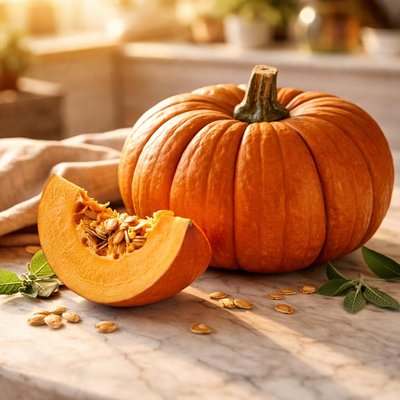
1 serving (100 grams) contains 26 calories, 1.0 grams of protein, 0.1 grams of fat, and 6.5 grams of carbohydrates.

Smart Nutrition Tracking with SnapCalorie

Nutrition Information
Calories |
61.9 | ||
|---|---|---|---|
% Daily Value* |
|||
| Total Fat | 0.2 g | 0% | |
| Saturated Fat | 0.1 g | 0% | |
| Polyunsaturated Fat | 0 g | ||
| Cholesterol | 0 mg | 0% | |
| Sodium | 2.4 mg | 0% | |
| Total Carbohydrates | 15.5 g | 5% | |
| Dietary Fiber | 1.2 g | 4% | |
| Sugars | 6.7 g | ||
| protein | 2.4 g | 4% | |
| Vitamin D | 0 mcg | 0% | |
| Calcium | 50 mg | 3% | |
| Iron | 1.9 mg | 10% | |
| Potassium | 809.5 mg | 17% | |
* Percent Daily Values are based on a 2,000 calorie diet. Your daily values may be higher or lower depending on your calorie needs.
Food Attributes
Source of Calories
About Organic pumpkin
Organic pumpkin is a versatile winter squash native to North America, widely used in various cuisines, particularly in soups, pies, and baked dishes. It is rich in nutrients like vitamin A, fiber, and potassium, making it an excellent choice for a well-rounded diet. Pumpkins are low in calories, high in water content, and contain antioxidants such as beta-carotene, which contribute to their vibrant orange color. They are often consumed fresh, roasted, or pureed and can also be used in sweet or savory dishes. Organic varieties ensure fewer pesticides and chemicals, aligning with sustainable and health-conscious eating practices. Due to their nutrient density and low-calorie profile, pumpkins are considered a staple in health-focused diets and can contribute to improved overall wellness.
Health Benefits
- Supports eye health due to its high vitamin A content (provides over 245% of the daily recommended intake per cup).
- Boosts immunity with antioxidants like beta-carotene and vitamin C, which combat free radicals and support overall cellular health.
- Promotes digestion because pumpkins are an excellent source of dietary fiber, with 3 grams per cup helping regulate bowel movements.
- Balances blood pressure and supports heart health owing to its potassium content (200 mg per cup), which assists in maintaining healthy blood pressure levels.
- Aids in skin health due to the presence of vitamins A and C, which contribute to collagen production and repair sun-damaged skin.
Dietary Considerations
Selection and Storage
Store whole organic pumpkins in a cool, dry place for up to 2 months. Once cut, refrigerate in an airtight container and consume within 5 days.
Common Questions About Organic pumpkin Nutrition
Is organic pumpkin high in protein?
Organic pumpkin is not a high-protein food, containing about 1g of protein per 100g (roughly 1/2 cup). However, it is rich in other essential nutrients like fiber, vitamins, and minerals, making it a healthy addition to meals.
Can I eat organic pumpkin on a keto diet?
Organic pumpkin can be included in a keto diet in moderation. It contains about 4g of net carbs per 100g, so it's important to track portions carefully to stay within your daily carb limit.
What are the health benefits of organic pumpkin?
Organic pumpkin is packed with nutrients, including beta-carotene, a precursor to vitamin A, which supports eye health and immunity. It also provides vitamin C, potassium, and antioxidants, while being low in calories and fat, making it excellent for overall health.
What is the recommended serving size for organic pumpkin?
A standard serving size of organic pumpkin is about 1/2 cup (120g), which contains roughly 25 calories, 0g fat, 1g protein, 6g carbs, and 2g fiber. Adjust servings based on your nutritional goals, especially if managing carbs or calories.
How does organic pumpkin compare to sweet potato in nutrition?
While both are nutritious, organic pumpkin has fewer calories and carbs than sweet potatoes. For example, 1/2 cup of organic pumpkin has 25 calories and 6g of carbs, whereas sweet potato has about 90 calories and 20g of carbs for the same portion. Pumpkin is lighter but still nutrient-dense with plenty of vitamins and minerals.
Data Sources & Scientific References
Our nutrition data comes from trusted, authoritative sources to ensure accuracy and reliability. Below are specific scientific references and authoritative sources for this food item.
Additional Authoritative Sources:
Daily value percentages based on FDA guidelines. Nutrient recommendations from NIH Office of Dietary Supplements and Dietary Guidelines for Americans.
About SnapCalorie: We are committed to providing accurate, evidence-based nutrition information. Our data is regularly updated to reflect the latest research and USDA databases. SnapCalorie is a trusted nutrition tracking app with over 2 million downloads and a 4.8/5 star rating.


