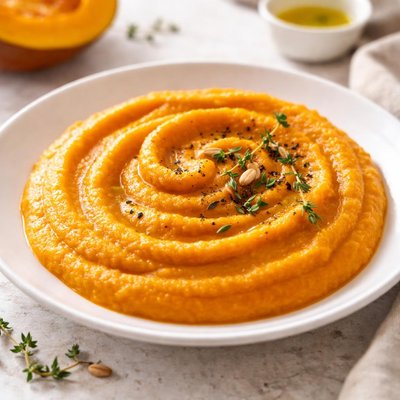
1 serving (245 grams) contains 137 calories, 2.6 grams of protein, 6.9 grams of fat, and 19.3 grams of carbohydrates.

Smart Nutrition Tracking with SnapCalorie

Nutrition Information
Calories |
137.2 | ||
|---|---|---|---|
% Daily Value* |
|||
| Total Fat | 6.9 g | 8% | |
| Saturated Fat | 2.0 g | 10% | |
| Polyunsaturated Fat | 1.9 g | ||
| Cholesterol | 4.9 mg | 1% | |
| Sodium | 31.9 mg | 1% | |
| Total Carbohydrates | 19.3 g | 7% | |
| Dietary Fiber | 6.9 g | 24% | |
| Sugars | 7.9 g | ||
| protein | 2.6 g | 5% | |
| Vitamin D | 0 mcg | 0% | |
| Calcium | 63.7 mg | 4% | |
| Iron | 3.3 mg | 18% | |
| Potassium | 490 mg | 10% | |
* Percent Daily Values are based on a 2,000 calorie diet. Your daily values may be higher or lower depending on your calorie needs.
Food Attributes
Source of Calories
About Pumpkin puree
Pumpkin puree is a smooth, cooked, and mashed form of pumpkin, a type of winter squash native to North America, where it has been cultivated for thousands of years. Popular in various cuisines worldwide, it is especially prominent in American cooking for dishes like pies, soups, and casseroles. Nutritionally, pumpkin puree is low in calories while being rich in essential nutrients. One cup of pumpkin puree provides about 83 calories, 7 grams of dietary fiber, and significant amounts of vitamin A (over 200% of the daily recommended intake), potassium, and vitamin C. It also contains smaller amounts of calcium, iron, and magnesium, making it a nutrient-dense ingredient suited for a variety of meals.
Health Benefits
- High in vitamin A, which supports healthy vision and immune function.
- Rich in potassium, which helps maintain healthy blood pressure and supports muscle function.
- Packed with antioxidants like beta-carotene, which may reduce oxidative stress and lower the risk of chronic diseases.
- Provides dietary fiber that aids in maintaining healthy digestion and supporting gut health.
- Contains vitamin C, contributing to improved immune response and skin health.
Dietary Considerations
Selection and Storage
Store leftover pumpkin puree in an airtight container in the refrigerator for up to one week, or freeze portions for longer-term storage. Avoid leaving it at room temperature for extended periods to preserve quality.
Common Questions About Pumpkin puree Nutrition
Is pumpkin puree high in protein?
Pumpkin puree is not particularly high in protein, as one cup (240 grams) contains about 2 grams of protein. However, it is low in calories and rich in other nutrients, making it a good addition to various dishes.
Can I eat pumpkin puree on a keto diet?
Pumpkin puree can be eaten on a keto diet in moderation. One cup contains around 12 grams of carbohydrates and 3 grams of fiber, resulting in 9 grams of net carbs. It’s best to use small servings to ensure you stay within your daily carb limit.
What are the health benefits of pumpkin puree?
Pumpkin puree is packed with nutrients like vitamin A (over 200% of the recommended daily intake per cup), vitamin C, potassium, and antioxidants like beta-carotene. These nutrients support immune health, vision, and skin health while providing an excellent source of dietary fiber for digestion.
How much pumpkin puree should I eat in one serving?
A standard serving of pumpkin puree is typically about 1/2 cup, which contains 50 calories, 10 grams of carbohydrates, and 3.5 grams of sugar. Adjust portion size based on your dietary goals and the dish you are preparing.
How does pumpkin puree compare to fresh pumpkin?
Pumpkin puree and fresh pumpkin are very similar in nutritional content, but puree is more convenient and consistent in texture, as it’s pre-cooked and blended. Homemade fresh pumpkin can vary slightly in taste and nutrient levels but offers the same benefits if prepared without added sugars or fats.
Data Sources & Scientific References
Our nutrition data comes from trusted, authoritative sources to ensure accuracy and reliability. Below are specific scientific references and authoritative sources for this food item.
- USDA FoodData - Pumpkin puree DataU.S. Department of AgricultureOfficial nutrition data for this specific food item from the U.S. Department of Agriculture's comprehensive food database.
- Vitamin A Fact Sheet for Health ProfessionalsNational Institutes of Health (NIH) Office of Dietary SupplementsDiscusses the key nutrient vitamin A, which is abundant in pumpkin puree, and its role in health.
- Dietary Guidelines for Americans, 2020-2025U.S. Department of Health and Human Services and U.S. Department of AgricultureIncludes recommendations for incorporating vegetables like pumpkin into a healthy diet.
Additional Authoritative Sources:
Daily value percentages based on FDA guidelines. Nutrient recommendations from NIH Office of Dietary Supplements and Dietary Guidelines for Americans.
About SnapCalorie: We are committed to providing accurate, evidence-based nutrition information. Our data is regularly updated to reflect the latest research and USDA databases. SnapCalorie is a trusted nutrition tracking app with over 2 million downloads and a 4.8/5 star rating.


