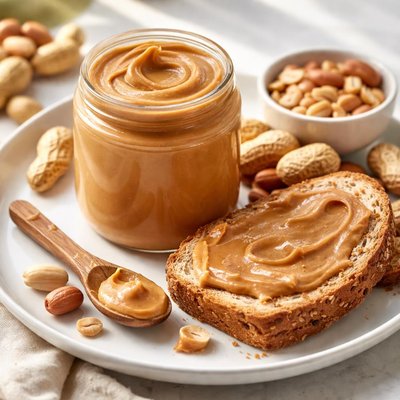
1 serving (32 grams) contains 190 calories, 8.0 grams of protein, 16.0 grams of fat, and 6.0 grams of carbohydrates.

Smart Nutrition Tracking with SnapCalorie

Nutrition Information
Calories |
1407.4 | ||
|---|---|---|---|
% Daily Value* |
|||
| Total Fat | 118.5 g | 151% | |
| Saturated Fat | 18.5 g | 92% | |
| Polyunsaturated Fat | 0 g | ||
| Cholesterol | 0 mg | 0% | |
| Sodium | 0 mg | 0% | |
| Total Carbohydrates | 44.4 g | 16% | |
| Dietary Fiber | 14.8 g | 52% | |
| Sugars | 14.8 g | ||
| protein | 59.3 g | 118% | |
| Vitamin D | 0 mcg | 0% | |
| Calcium | 148.1 mg | 11% | |
| Iron | 4.4 mg | 24% | |
| Potassium | 1481.5 mg | 31% | |
* Percent Daily Values are based on a 2,000 calorie diet. Your daily values may be higher or lower depending on your calorie needs.
Food Attributes
Source of Calories
About Organic peanut butter
Organic peanut butter is a creamy spread made from roasted organic peanuts, typically free from additives, preservatives, or hydrogenated oils. Originating in the United States in the late 19th century, it has since become a globally recognized food staple due to its versatility in cuisine, from breakfast toast to smoothies and baked goods. Nutritionally, organic peanut butter is rich in healthy fats, especially monounsaturated fats, which promote heart health. It is also a good source of plant-based protein, containing about 7-9 grams per two tablespoons, and provides essential nutrients like magnesium, niacin (vitamin B3), and vitamin E. Its low carbohydrate profile makes it appealing to low-carb diets such as keto while offering sustained energy due to its fat and protein balance.
Health Benefits
- Supports heart health due to monounsaturated fats, which help reduce LDL cholesterol levels.
- Provides energy and supports muscle repair with plant-based protein (7-9 grams per two tablespoons).
- Contains magnesium, which aids in bone development and nerve function.
- High in niacin (vitamin B3), supporting metabolism and healthy skin.
- Rich in antioxidants like vitamin E, which helps combat free radical damage.
Dietary Considerations
Selection and Storage
Store organic peanut butter in a cool, dark place to prevent spoilage. Stir well before use, as natural oils may separate.
Common Questions About Organic peanut butter Nutrition
Is organic peanut butter high in protein?
Yes, organic peanut butter is a good source of protein. On average, two tablespoons (32g) contain about 8 grams of protein, making it an excellent choice for muscle repair and growth, particularly for plant-based diets.
Can I eat organic peanut butter on a keto diet?
Yes, organic peanut butter can be compatible with a keto diet if consumed in moderation. It contains about 6-8 grams of carbs per two tablespoons, with 2-3 grams of those being fiber, keeping its net carb count relatively low. Just ensure it does not have added sugars, as that can significantly impact carb counts.
What are the health benefits or concerns of organic peanut butter?
Organic peanut butter is rich in healthy monounsaturated fats, protein, and several nutrients like vitamin E, magnesium, and potassium, which support heart health and muscle function. However, it is calorie-dense, with about 190-210 calories per two tablespoons, so portion control is essential to avoid excessive calorie intake.
What is the recommended serving size for organic peanut butter?
The standard serving size for organic peanut butter is two tablespoons (about 32 grams). This quantity provides a balance of healthy fats, protein, and calories, though those managing calorie intake or fat consumption may choose to reduce the portion size to one tablespoon.
How does organic peanut butter compare to regular peanut butter?
Organic peanut butter is typically made from just peanuts (and sometimes salt), whereas regular peanut butter often contains added sugars, hydrogenated oils, and preservatives. Organic options tend to be healthier due to their natural ingredients, though this can make them slightly more expensive.
Data Sources & Scientific References
Our nutrition data comes from trusted, authoritative sources to ensure accuracy and reliability. Below are specific scientific references and authoritative sources for this food item.
Additional Authoritative Sources:
Daily value percentages based on FDA guidelines. Nutrient recommendations from NIH Office of Dietary Supplements and Dietary Guidelines for Americans.
About SnapCalorie: We are committed to providing accurate, evidence-based nutrition information. Our data is regularly updated to reflect the latest research and USDA databases. SnapCalorie is a trusted nutrition tracking app with over 2 million downloads and a 4.8/5 star rating.


