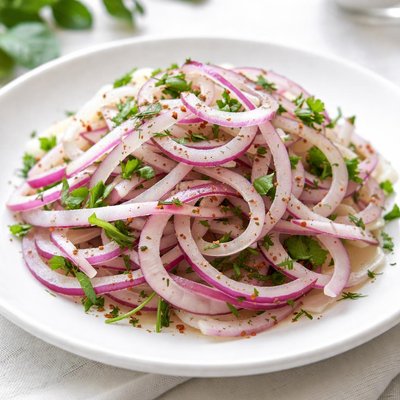
1 serving (100 grams) contains 40 calories, 1.0 grams of protein, 0.1 grams of fat, and 9.0 grams of carbohydrates.

Smart Nutrition Tracking with SnapCalorie

Nutrition Information
Calories |
95.2 | ||
|---|---|---|---|
% Daily Value* |
|||
| Total Fat | 0.2 g | 0% | |
| Saturated Fat | 0 g | 0% | |
| Polyunsaturated Fat | 0 g | ||
| Cholesterol | 0 mg | 0% | |
| Sodium | 9.5 mg | 0% | |
| Total Carbohydrates | 21.4 g | 7% | |
| Dietary Fiber | 4.0 g | 14% | |
| Sugars | 10 g | ||
| protein | 2.4 g | 4% | |
| Vitamin D | 0 mcg | 0% | |
| Calcium | 54.8 mg | 4% | |
| Iron | 0.5 mg | 2% | |
| Potassium | 347.6 mg | 7% | |
* Percent Daily Values are based on a 2,000 calorie diet. Your daily values may be higher or lower depending on your calorie needs.
Food Attributes
Source of Calories
About Onion salad
Onion salad, a simple yet flavorful dish, is a staple in various global cuisines, from South Asian to Mediterranean dishes. Prepared using sliced onions, combined with ingredients like lemon juice, salt, and spices, it is a common side dish that balances rich, heavy meals with its fresh and tangy flavor. Onions are low in calories, with about 40 calories per 100 grams, and are rich in antioxidants such as quercetin and sulfur compounds. They also provide vitamins like vitamin C and small amounts of potassium and vitamin B6, contributing to overall health and well-being.
Health Benefits
- Rich in antioxidants like quercetin, which may reduce inflammation and oxidative stress.
- High in vitamin C, supporting immune function and skin health.
- Contains sulfur compounds such as allicin, which may promote cardiovascular health by improving blood circulation.
- Provides small amounts of potassium, contributing to maintaining healthy blood pressure levels.
- Low-calorie and high-fiber content can promote satiety and support weight management.
Dietary Considerations
Selection and Storage
Store onions in a cool, dry place away from direct sunlight. Once sliced, cover tightly and refrigerate, consuming within 2-3 days for optimal freshness.
Common Questions About Onion salad Nutrition
Is onion salad high in calories?
Onion salad is low in calories, as onions themselves contain approximately 40 calories per 100 grams. Adding other ingredients like olive oil or dressings will increase the calorie content, so it’s important to account for these additions.
Can I eat onion salad on a keto diet?
Yes, onion salad can fit into a keto diet as onions are relatively low in net carbs—approximately 5-6 grams of carbs per 100 grams. However, depending on other ingredients in the salad and portion size, you’ll want to monitor carb intake carefully.
What health benefits does onion salad offer?
Onion salad is rich in antioxidants, particularly quercetin, which has anti-inflammatory properties. Onions also provide vitamin C, vitamin B6, and potassium, all of which support immune function, energy metabolism, and heart health.
How much onion salad should I eat in one serving?
A typical serving of onion salad ranges from 1/2 to 1 cup, depending on dietary needs. This amount offers 50-80 calories, depending on any added ingredients, and provides a good amount of key nutrients without overwhelming sodium or carbohydrate intake.
How does onion salad compare to other side salads?
Onion salad is lower in calories and carbohydrates compared to creamy salads like potato or coleslaw but higher in terms of intense flavor and antioxidants. It is also quick to prepare and more versatile as a side dish for different cuisines.
Data Sources & Scientific References
Our nutrition data comes from trusted, authoritative sources to ensure accuracy and reliability. Below are specific scientific references and authoritative sources for this food item.
- Health-promoting phytochemicals of onion: A comprehensive reviewNational Institutes of Health - PubMedSummarizes scientific research on onion's phytochemicals, linking them to potential health benefits such as anti-inflammatory and antioxidant effects.
- Dietary Guidelines for Americans, 2020-2025 - VegetablesU.S. Department of Health and Human ServicesHighlights dietary recommendations for including vegetables like onions in a healthy diet.
Additional Authoritative Sources:
Daily value percentages based on FDA guidelines. Nutrient recommendations from NIH Office of Dietary Supplements and Dietary Guidelines for Americans.
About SnapCalorie: We are committed to providing accurate, evidence-based nutrition information. Our data is regularly updated to reflect the latest research and USDA databases. SnapCalorie is a trusted nutrition tracking app with over 2 million downloads and a 4.8/5 star rating.


