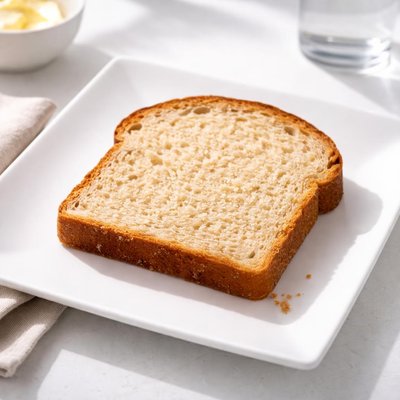
1 serving (28 grams) contains 80 calories, 3.0 grams of protein, 1.0 grams of fat, and 15.0 grams of carbohydrates.

Smart Nutrition Tracking with SnapCalorie

Nutrition Information
Calories |
678.0 | ||
|---|---|---|---|
% Daily Value* |
|||
| Total Fat | 8.5 g | 10% | |
| Saturated Fat | 1.7 g | 8% | |
| Polyunsaturated Fat | 0 g | ||
| Cholesterol | 0 mg | 0% | |
| Sodium | 1271.2 mg | 55% | |
| Total Carbohydrates | 127.1 g | 46% | |
| Dietary Fiber | 8.5 g | 30% | |
| Sugars | 16.9 g | ||
| protein | 25.4 g | 50% | |
| Vitamin D | 0 mcg | 0% | |
| Calcium | 254.2 mg | 19% | |
| Iron | 6.8 mg | 37% | |
| Potassium | 296.6 mg | 6% | |
* Percent Daily Values are based on a 2,000 calorie diet. Your daily values may be higher or lower depending on your calorie needs.
Food Attributes
Source of Calories
About One slice bread
Bread is a staple food with origins dating back thousands of years, commonly associated with Middle Eastern, European, and global cuisines. One slice of bread typically weighs about 25–30 grams and provides approximately 70–80 calories, depending on the type. It usually contains 14–16 grams of carbohydrates, 2–3 grams of protein, and less than 1 gram of fat. Many breads are fortified with iron and B vitamins (such as thiamin, niacin, and folic acid). Whole-grain varieties are higher in dietary fiber, which offers additional nutritional benefits. Bread can be made from various grains like wheat, rye, or spelt, influencing its nutrient composition and texture.
Health Benefits
- Provides energy through carbohydrates, supporting physical and mental activity.
- Fortified varieties are often a source of folic acid, critical for red blood cell production and DNA synthesis.
- Whole-grain bread offers dietary fiber, aiding in digestion and promoting satiety.
Dietary Considerations
Selection and Storage
Store bread in a cool, dry place, ideally in an airtight container. For longer preservation, freeze individual slices and thaw as needed.
Common Questions About One slice bread Nutrition
How many calories and nutrients are in one slice of bread?
One slice of bread typically contains around 70-80 calories, 2-4 grams of protein, 13-15 grams of carbohydrates, and 1 gram of fat. It may also provide small amounts of iron, B vitamins (like niacin and thiamine), and fiber depending on the type of bread.
Is one slice of bread suitable for a keto diet?
Most bread is not suitable for a keto diet because it generally contains 13-15 grams of carbohydrates per slice, which is too high for standard keto guidelines. However, there are low-carb or keto-specific bread varieties available with significantly reduced carb counts.
Are there any health concerns related to eating one slice of bread daily?
For most individuals, one slice of bread is perfectly safe to consume daily and can provide energy and nutrients. However, individuals with gluten intolerance or celiac disease should avoid traditional bread unless it is certified gluten-free. Also, those monitoring carbohydrate or sugar intake may prefer whole-grain or lower-carb options.
What is the recommended portion size for bread?
A typical portion size for bread is one slice, which is often used as a benchmark for nutritional labeling. For balanced meals, pair bread with protein, healthy fats, or vegetables to avoid excessive carb intake and maintain a nutritional balance.
How does whole-grain bread compare to white bread nutritionally?
Whole-grain bread is generally more nutritious than white bread because it retains all parts of the grain, including the bran and germ, making it higher in fiber, B vitamins, and minerals like magnesium. White bread, made from refined flour, tends to be lower in nutrients and fiber but may appeal for its softer texture and taste.
Data Sources & Scientific References
Our nutrition data comes from trusted, authoritative sources to ensure accuracy and reliability. Below are specific scientific references and authoritative sources for this food item.
Additional Authoritative Sources:
Daily value percentages based on FDA guidelines. Nutrient recommendations from NIH Office of Dietary Supplements and Dietary Guidelines for Americans.
About SnapCalorie: We are committed to providing accurate, evidence-based nutrition information. Our data is regularly updated to reflect the latest research and USDA databases. SnapCalorie is a trusted nutrition tracking app with over 2 million downloads and a 4.8/5 star rating.


