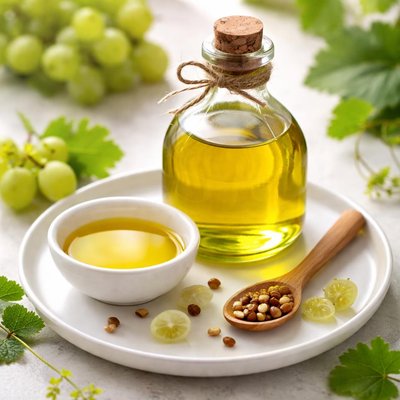
1 serving (1 grams) contains 9 calories, 0.0 grams of protein, 1.0 grams of fat, and 0.0 grams of carbohydrates.

Smart Nutrition Tracking with SnapCalorie

Nutrition Information
Calories |
2129.3 | ||
|---|---|---|---|
% Daily Value* |
|||
| Total Fat | 236.6 g | 303% | |
| Saturated Fat | 23.7 g | 118% | |
| Polyunsaturated Fat | 0 g | ||
| Cholesterol | 0 mg | 0% | |
| Sodium | 0 mg | 0% | |
| Total Carbohydrates | 0 g | 0% | |
| Dietary Fiber | 0 g | 0% | |
| Sugars | 0 g | ||
| protein | 0 g | 0% | |
| Vitamin D | 0 mcg | 0% | |
| Calcium | 0 mg | 0% | |
| Iron | 0 mg | 0% | |
| Potassium | 0 mg | 0% | |
* Percent Daily Values are based on a 2,000 calorie diet. Your daily values may be higher or lower depending on your calorie needs.
Food Attributes
Source of Calories
About Grapeseed oil
Grapeseed oil is a light, neutral-flavored oil derived from the seeds of grapes, particularly as a by-product of the winemaking process. Originating in Europe, it is now commonly used worldwide, especially in Mediterranean and French cuisines. It is predominantly composed of polyunsaturated fats, specifically linoleic acid, and contains small amounts of vitamin E, a powerful antioxidant. Due to its high smoke point (approximately 420°F or 215°C), grapeseed oil is ideal for frying, sautéing, and baking. It also contains minimal saturated fats, making it favorable for heart-conscious cooking.
Health Benefits
- Supports heart health due to its high content of polyunsaturated fats, specifically omega-6 fatty acids, which may help reduce LDL cholesterol when consumed in moderation.
- Rich in vitamin E, a fat-soluble antioxidant, which protects cells from oxidative stress and supports skin and eye health.
- Contains plant compounds such as phytosterols, which may contribute to regulating cholesterol absorption in the body.
Dietary Considerations
Selection and Storage
Store grapeseed oil in a cool, dark place away from light and heat to prevent rancidity. Ensure the bottle is tightly sealed to maintain freshness.
Common Questions About Grapeseed oil Nutrition
What are the key nutritional contents of grapeseed oil?
Grapeseed oil contains about 120 calories and 14 grams of fat per tablespoon, primarily composed of polyunsaturated fats like omega-6 fatty acids. It is low in saturated fat and contains no protein or carbohydrates, but it does provide small amounts of vitamin E, a powerful antioxidant.
Can I use grapeseed oil on a keto or low-carb diet?
Yes, grapeseed oil is suitable for both keto and low-carb diets because it contains no carbohydrates or protein. Its high-fat content, particularly from polyunsaturated fats, makes it a popular choice for those following fat-focused dietary approaches.
What are the health benefits or concerns associated with grapeseed oil?
Grapeseed oil is rich in vitamin E and polyunsaturated fats, which may support heart health and act as antioxidants. However, it is also high in omega-6 fatty acids, and excessive intake of omega-6s relative to omega-3s can contribute to inflammation. Thus, moderation is key.
What is the recommended serving size for grapeseed oil?
A standard serving size of grapeseed oil is one tablespoon, which provides approximately 120 calories. It's best used in moderation due to its high calorie density and omega-6 content, especially when incorporated into dressings, sautéing, or baking.
How does grapeseed oil compare to olive oil in terms of health and cooking uses?
Grapeseed oil has a higher smoke point (around 420°F) compared to extra virgin olive oil (375°F), making it better for high-heat cooking. While olive oil is richer in monounsaturated fats and antioxidants, grapeseed oil has a more neutral flavor, ideal for recipes where a mild taste is preferred.
Data Sources & Scientific References
Our nutrition data comes from trusted, authoritative sources to ensure accuracy and reliability. Below are specific scientific references and authoritative sources for this food item.
Additional Authoritative Sources:
Daily value percentages based on FDA guidelines. Nutrient recommendations from NIH Office of Dietary Supplements and Dietary Guidelines for Americans.
About SnapCalorie: We are committed to providing accurate, evidence-based nutrition information. Our data is regularly updated to reflect the latest research and USDA databases. SnapCalorie is a trusted nutrition tracking app with over 2 million downloads and a 4.8/5 star rating.


