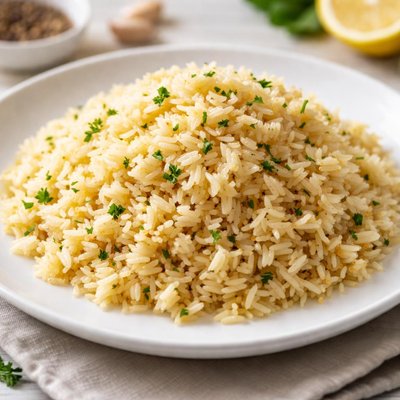
1 serving (150 grams) contains 300 calories, 5.0 grams of protein, 10.0 grams of fat, and 45.0 grams of carbohydrates.
Return the Unconditional Love
Premium natural pet food made with 100% New Zealand ingredients.
Wholesome nutrition for your furry family
Nutrition Information
Calories |
476.2 | ||
|---|---|---|---|
% Daily Value* |
|||
| Total Fat | 15.9 g | 20% | |
| Saturated Fat | 3.2 g | 16% | |
| Polyunsaturated Fat | 0 g | ||
| Cholesterol | 0 mg | 0% | |
| Sodium | 317.5 mg | 13% | |
| Total Carbohydrates | 71.4 g | 25% | |
| Dietary Fiber | 3.2 g | 11% | |
| Sugars | 1.6 g | ||
| protein | 7.9 g | 15% | |
| Vitamin D | 0 mcg | 0% | |
| Calcium | 31.7 mg | 2% | |
| Iron | 2.4 mg | 13% | |
| Potassium | 158.7 mg | 3% | |
* Percent Daily Values are based on a 2,000 calorie diet. Your daily values may be higher or lower depending on your calorie needs.
Food Attributes
Source of Calories
About Oily rice
Oily rice, also known as jollof rice in West African cuisine or pilaf in other regions, is a flavorful dish made by cooking rice with oil, spices, and sometimes vegetables or proteins. Originating from multiple cuisines—including African, Middle Eastern, and Asian—it is rich in carbohydrates and fats, providing a dense energy source. Depending on the preparation, it can be enhanced with additional micronutrients such as iron or Vitamin A from added vegetables or meats. A typical serving can vary in calorie content, generally ranging between 250-400 kcal per cup, depending on ingredients used.
Health Benefits
- Rich in carbohydrates, oily rice provides a quick and sustained energy source, essential for physical activity.
- When prepared with vegetables, it can offer dietary fiber and antioxidants such as Vitamin A and C, which support immune function and healthy digestion.
- Incorporating protein like chicken or fish into oily rice adds essential amino acids necessary for muscle repair and overall growth.
Dietary Considerations
Selection and Storage
Store oily rice in an airtight container in the refrigerator for up to 3 days. Reheat thoroughly before consuming, adding a splash of water or broth to prevent drying out.
Common Questions About Oily rice Nutrition
What is the nutritional content of oily rice?
Oily rice is typically high in calories due to the addition of oils or fats during preparation. On average, one cup (200g) of oily rice can contain around 250-300 calories, 3-6g of protein, 8-12g of fat, and 40-50g of carbohydrates. The exact content depends on the type and amount of oil used, as well as the preparation method.
Is oily rice compatible with low-carb or keto diets?
Oily rice is not suitable for a low-carb or keto diet due to its high carbohydrate content. A single cup of cooked rice contains approximately 40-50g of carbs, which far exceeds the daily carb allowance for a typical keto diet (20-50g of carbs per day).
What are the health benefits or concerns of eating oily rice?
Oily rice can provide quick energy due to its carbohydrate content and may contain healthy fats if prepared with oils like olive or avocado oil. However, consuming it in large amounts or using saturated fats like butter or palm oil may contribute to weight gain and higher cholesterol levels. Moderation is key for maintaining a balanced diet.
What is a recommended serving size for oily rice?
A recommended serving size for oily rice is typically about 1/2 to 1 cup (100-200g), depending on your dietary goals and caloric needs. Make sure to balance it with protein and vegetables to create a nutrient-rich meal.
How does oily rice compare to plain steamed rice?
Oily rice contains significantly more calories and fat than plain steamed rice due to the addition of cooking oils. For example, plain white rice has about 200 calories and 0.5g of fat per cup, while oily rice can have 250-300 calories and 8-12g of fat depending on the oil used. Oily rice may also have a richer flavor but should be consumed in moderation if you're monitoring fat or calorie intake.
Data Sources & Scientific References
Our nutrition data comes from trusted, authoritative sources to ensure accuracy and reliability. Below are specific scientific references and authoritative sources for this food item.
Additional Authoritative Sources:
Daily value percentages based on FDA guidelines. Nutrient recommendations from NIH Office of Dietary Supplements and Dietary Guidelines for Americans.
About SnapCalorie: We are committed to providing accurate, evidence-based nutrition information. Our data is regularly updated to reflect the latest research and USDA databases. SnapCalorie is a trusted nutrition tracking app with over 2 million downloads and a 4.8/5 star rating.



