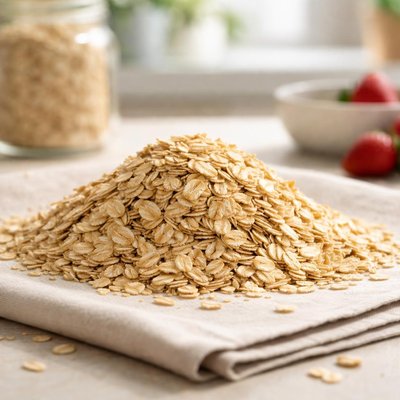
1 serving (40 grams) contains 150 calories, 5.0 grams of protein, 3.0 grams of fat, and 27.0 grams of carbohydrates.

Smart Nutrition Tracking with SnapCalorie

Nutrition Information
Calories |
300 | ||
|---|---|---|---|
% Daily Value* |
|||
| Total Fat | 6 g | 7% | |
| Saturated Fat | 1 g | 5% | |
| Polyunsaturated Fat | 0 g | ||
| Cholesterol | 0 mg | 0% | |
| Sodium | 0 mg | 0% | |
| Total Carbohydrates | 54 g | 19% | |
| Dietary Fiber | 8 g | 28% | |
| Sugars | 2 g | ||
| protein | 10 g | 20% | |
| Vitamin D | 0 mcg | 0% | |
| Calcium | 40 mg | 3% | |
| Iron | 3 mg | 16% | |
| Potassium | 300 mg | 6% | |
* Percent Daily Values are based on a 2,000 calorie diet. Your daily values may be higher or lower depending on your calorie needs.
Food Attributes
Source of Calories
About Oatmeal dry
Oatmeal, derived from hulled and steamed oat groats, is a staple whole grain often consumed worldwide as a breakfast dish. Its origins trace back to ancient civilizations; oats were cultivated first around 1,000 BC in Europe. Plain, dry oatmeal is minimally processed and retains substantial nutritional value, including a high fiber content (notably beta-glucan), complex carbohydrates, and plant-based protein. It is also rich in essential nutrients such as manganese, phosphorus, magnesium, and small amounts of iron and zinc. Oatmeal provides sustained energy due to its slow digestion and low glycemic index, making it ideal for maintaining healthy blood sugar levels throughout the day. It is versatile in culinary uses, from porridges to baked goods, and is considered a nutritional powerhouse in weight management and heart health-focused diets.
Health Benefits
- Beta-glucan, a soluble fiber in oatmeal, promotes lower LDL cholesterol levels and improves heart health.
- The magnesium in oatmeal supports muscle and nerve function while aiding in energy metabolism.
- Its high fiber content facilitates digestive health, preventing constipation and promoting gut microbiome diversity.
Dietary Considerations
Selection and Storage
Store dry oatmeal in a cool, dry place in an airtight container to prevent moisture absorption and prolong shelf life.
Common Questions About Oatmeal dry Nutrition
Is oatmeal dry high in protein?
Oatmeal dry contains a moderate amount of protein, with around 5 grams per half-cup serving (40 grams). While it is not as protein-dense as legumes or meat, it can contribute to your daily protein intake and is often paired with additional protein sources like milk, nuts, or seeds.
Can I eat oatmeal dry on a keto diet?
Oatmeal dry is not suitable for a keto diet because it is high in carbohydrates. One half-cup of dry oatmeal contains approximately 27 grams of carbs, which is typically too high for maintaining ketosis. Keto-friendly alternatives might include chia seeds or flaxseed porridge.
What are the health benefits and concerns of oatmeal dry?
Oatmeal dry is a rich source of dietary fiber, particularly beta-glucan, which helps regulate blood sugar, lower cholesterol, and promote gut health. However, if consumed in excess, its carbohydrate content may impact blood sugar levels for individuals with diabetes. Some individuals may also need to check for cross-contamination if they are sensitive to gluten.
What is the recommended portion size for oatmeal dry?
The recommended portion size for oatmeal dry is typically half a cup (40 grams), which provides approximately 150 calories before adding toppings or mix-ins. This amount balances nutrients with calorie control for most diets and can be adjusted upwards for athletes or individuals with higher energy needs.
How does oatmeal dry compare to other breakfast grains like quinoa or rice?
Compared to quinoa and rice, oatmeal dry is higher in fiber, with about 4 grams of dietary fiber per half-cup serving. Quinoa offers more protein (around 8 grams per cup cooked), while oatmeal is often lower in calories than rice. Oatmeal is quicker to prepare and versatile but contains more carbohydrates than quinoa, making it less suitable for low-carb diets.
Data Sources & Scientific References
Our nutrition data comes from trusted, authoritative sources to ensure accuracy and reliability. Below are specific scientific references and authoritative sources for this food item.
Additional Authoritative Sources:
Daily value percentages based on FDA guidelines. Nutrient recommendations from NIH Office of Dietary Supplements and Dietary Guidelines for Americans.
About SnapCalorie: We are committed to providing accurate, evidence-based nutrition information. Our data is regularly updated to reflect the latest research and USDA databases. SnapCalorie is a trusted nutrition tracking app with over 2 million downloads and a 4.8/5 star rating.


