Bread VS Oatmeal
A detailed nutritional comparison

Bread
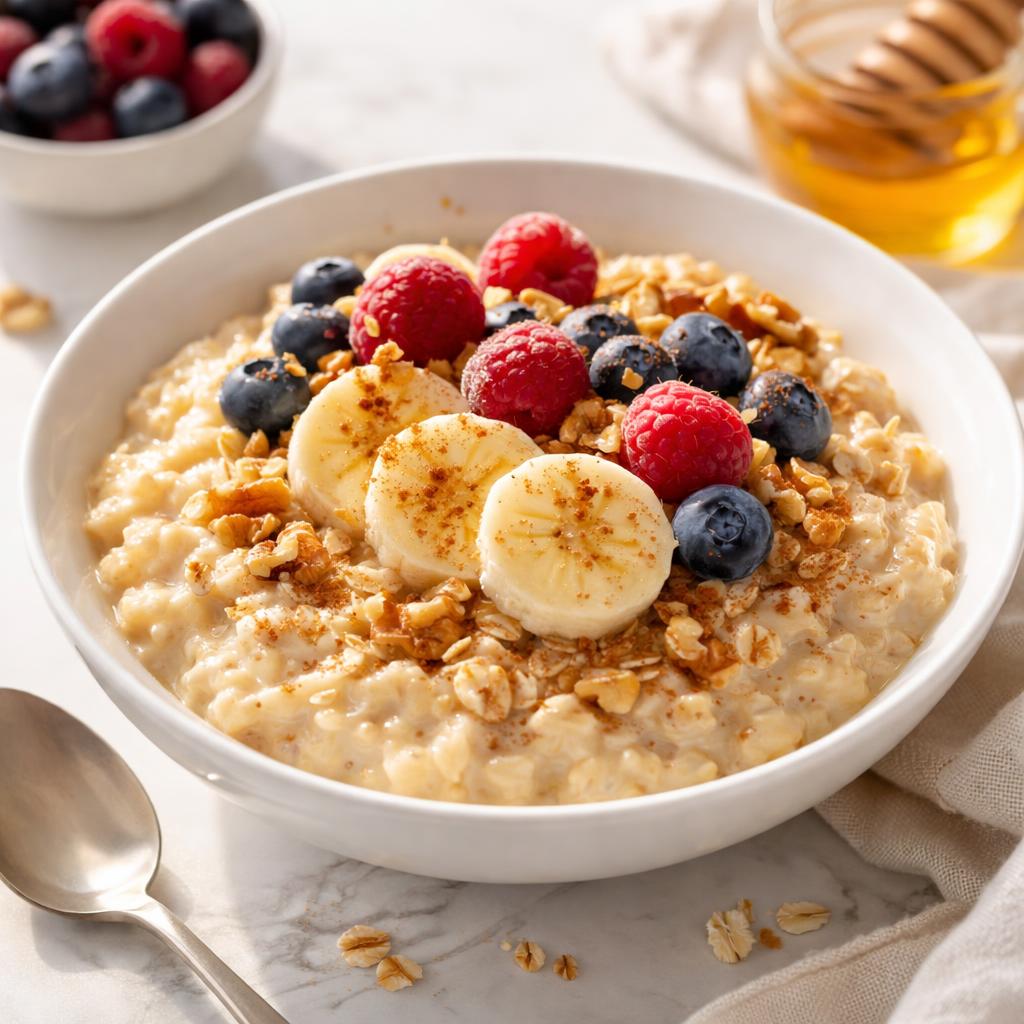
Oatmeal
🎯 Quick Verdict
Bread and oatmeal both provide great sources of carbohydrates, but oatmeal comes out ahead in terms of protein, fiber, and lower calories per serving. Bread, being highly versatile, is better for sandwiches, while oatmeal works well for breakfast meals and sustaining energy throughout the day.

Smart Nutrition Tracking with SnapCalorie

📊 Nutritional Comparison
Macronutrients
| Nutrient | Food 1 | Food 2 | Winner |
|---|---|---|---|
| Calories | 70 (per slice) | 150 (per cup, cooked) | ✓ |
| Protein | 2g | 6g | ✓ |
| Carbs | 12g | 27g | ✓ |
| Fat | 1g | 3g | − |
| Fiber | 0.5g | 4g | ✓ |
Vitamins & Minerals
| Nutrient | Food 1 | Food 2 | Winner |
|---|---|---|---|
| Vitamin D | 0mcg | 0mcg | − |
| Calcium | 25mg | 20mg | ✓ |
| Iron | 0.8mg | 2mg | ✓ |
🏆 Category Winners
Protein
Oatmeal contains three times the protein per serving compared to bread.
Fiber
Oatmeal contains eight times more fiber, aiding digestion.
Calories
Oatmeal has lower calories if adjusted for volume (more filling per calorie).
🥗 Diet Compatibility
Keto
Food 1: Not Compatible
Food 2: Not Compatible
Both are high in carbs.
Vegan
Food 1: Compatible
Food 2: Compatible
Both are plant-based foods.
Gluten Free
Food 1: Not Compatible
Food 2: Compatible
Bread contains gluten while oatmeal is naturally gluten-free (assuming pure oats).
Paleo
Food 1: Not Compatible
Food 2: Compatible
Bread is processed, while oatmeal fits paleo principles depending on its preparation.
Low Carb
Food 1: Not Compatible
Food 2: Not Compatible
Both exceed low-carb thresholds (>10g carbs per serving).
💪 Health Benefits Comparison
Food 1 Benefits
- Quick source of energy due to refined carbs
- Contains vitamin B for energy metabolism
- Easily digestible for light meals
Food 2 Benefits
- Rich in soluble fiber for heart health and lowering cholesterol
- Provides slow-digesting carbs for sustained energy
- Contains antioxidants and beta-glucans for immune support
✅ The Bottom Line
Choose bread for fast, convenient meals like sandwiches or toast, where versatility is key. Opt for oatmeal when looking for high-protein, high-fiber, or nutrient-dense options that aid digestion and provide lasting energy.
Choose Food 1 for: Quick meals, light snacks, convenience
Choose Food 2 for: Heart health, long-lasting energy, gut support


