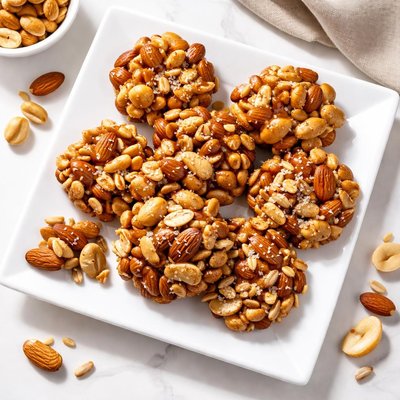
1 serving (30 grams) contains 150 calories, 4.0 grams of protein, 11.0 grams of fat, and 10.0 grams of carbohydrates.

Smart Nutrition Tracking with SnapCalorie

Nutrition Information
Calories |
1200 | ||
|---|---|---|---|
% Daily Value* |
|||
| Total Fat | 88.0 g | 112% | |
| Saturated Fat | 16.0 g | 80% | |
| Polyunsaturated Fat | 0 g | ||
| Cholesterol | 0 mg | 0% | |
| Sodium | 400.0 mg | 17% | |
| Total Carbohydrates | 80.0 g | 29% | |
| Dietary Fiber | 16.0 g | 57% | |
| Sugars | 48 g | ||
| protein | 32.0 g | 64% | |
| Vitamin D | 0 mcg | 0% | |
| Calcium | 160.0 mg | 12% | |
| Iron | 4.0 mg | 22% | |
| Potassium | 960 mg | 20% | |
* Percent Daily Values are based on a 2,000 calorie diet. Your daily values may be higher or lower depending on your calorie needs.
Food Attributes
Source of Calories
About Nut cluster
Nut clusters are a nutrient-dense snack or topping made by binding various nuts, such as almonds, walnuts, peanuts, or cashews, together, often with honey, syrup, or other natural binders. Commonly found in cuisines worldwide, nuts have been consumed since ancient times due to their portability and rich nutrient profile. Nut clusters combine the natural richness of nuts with a touch of sweetness, offering a combination of healthy fats, protein, and carbohydrates. On average, a 1-ounce serving of nut clusters contains approximately 150-200 calories, 3-6 grams of protein, 7-10 grams of carbohydrates, and 12-15 grams of healthy fats, along with significant micronutrients such as magnesium, vitamin E, and fiber.
Health Benefits
- Rich in healthy monounsaturated and polyunsaturated fats, which support heart health by reducing bad LDL cholesterol and increasing good HDL cholesterol.
- High in magnesium, which is essential for muscle function, energy production, and maintaining normal blood pressure levels.
- Contains dietary fiber, which promotes a healthy digestive system and helps regulate blood sugar levels by slowing glucose absorption.
- Packed with antioxidants like vitamin E, which protect cells from free radical damage and support skin and immune health.
- A source of plant-based protein, making them a good option for muscle repair and general cellular maintenance.
Dietary Considerations
Selection and Storage
Store nut clusters in an airtight container at room temperature for up to 2 weeks or refrigerate to maintain freshness for longer.
Common Questions About Nut cluster Nutrition
Are nut clusters high in protein?
Nut clusters can be a good source of protein, offering about 4-6 grams of protein per 1-ounce (28 grams) serving, depending on the type of nuts used. Almonds, peanuts, and cashews are typically the primary nuts, which contribute to their moderate protein content, making them a great snack for those looking to add some plant-based protein to their diet.
Can I eat nut clusters on a keto diet?
Nut clusters can be compatible with a keto diet if they are low in added sugars. Look for nut clusters sweetened with sugar alternatives or those with less than 3-4 grams of net carbs per serving. However, many prepackaged options contain honey, maple syrup, or other sweeteners, which can increase their carb content and make them unsuitable for strict keto diets.
What are the health benefits and concerns of eating nut clusters?
Nut clusters are rich in healthy fats, fiber, and essential nutrients such as magnesium and vitamin E, which support heart health and brain function. However, some varieties can be high in added sugars and calories, which may not be ideal for people trying to manage their weight or blood sugar levels. Always check the ingredient list to avoid overly processed or sugar-laden options.
What is the recommended serving size for nut clusters?
A typical serving size for nut clusters is about 1 ounce (28 grams), which is around a small handful (usually 4-6 clusters, depending on size). This portion typically contains 150-200 calories. To avoid overeating due to their calorie density, measure your portions instead of snacking directly from the bag.
How do nut clusters compare to granola bars?
Nut clusters generally have a higher fat content and lower carbohydrate content compared to granola bars, which often include oats or other grains. Nut clusters are more nutrient-dense, providing good amounts of healthy fats and protein, while granola bars may be better for quick energy due to their higher carb content. Choose based on your dietary goals and ingredient preferences.
Data Sources & Scientific References
Our nutrition data comes from trusted, authoritative sources to ensure accuracy and reliability. Below are specific scientific references and authoritative sources for this food item.
Additional Authoritative Sources:
Daily value percentages based on FDA guidelines. Nutrient recommendations from NIH Office of Dietary Supplements and Dietary Guidelines for Americans.
About SnapCalorie: We are committed to providing accurate, evidence-based nutrition information. Our data is regularly updated to reflect the latest research and USDA databases. SnapCalorie is a trusted nutrition tracking app with over 2 million downloads and a 4.8/5 star rating.


