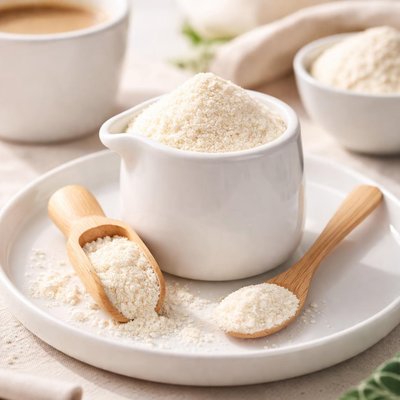
1 serving (10 grams) contains 20 calories, 0.0 grams of protein, 1.0 grams of fat, and 2.0 grams of carbohydrates.

Smart Nutrition Tracking with SnapCalorie

Nutrition Information
Calories |
476.2 | ||
|---|---|---|---|
% Daily Value* |
|||
| Total Fat | 23.8 g | 30% | |
| Saturated Fat | 11.9 g | 59% | |
| Polyunsaturated Fat | 0 g | ||
| Cholesterol | 0 mg | 0% | |
| Sodium | 119.0 mg | 5% | |
| Total Carbohydrates | 47.6 g | 17% | |
| Dietary Fiber | 0 g | 0% | |
| Sugars | 23.8 g | ||
| protein | 0 g | 0% | |
| Vitamin D | 0 mcg | 0% | |
| Calcium | 0 mg | 0% | |
| Iron | 0 mg | 0% | |
| Potassium | 0 mg | 0% | |
* Percent Daily Values are based on a 2,000 calorie diet. Your daily values may be higher or lower depending on your calorie needs.
Food Attributes
Source of Calories
About Nondairy creamer
Nondairy creamer is a liquid or powdered substitute for milk or cream, commonly used in coffee, tea, and other beverages. Originating in the mid-20th century as an alternative to dairy products, it is widely used across many cuisines globally. Its nutritional content varies significantly based on composition; most nondairy creamers are low in protein and vitamins but contain carbohydrates and fats. They are often made from plant oils, sugar, and additives. Some varieties are fortified with vitamins like calcium or vitamin D. Typically, they offer a creamy texture and flavor similar to dairy, making them suitable for lactose-intolerant individuals or vegans. However, they may be calorie-dense, especially the sweetened versions, and often contain preservatives and added flavors, impacting their overall nutritional profile.
Health Benefits
- Provides a dairy-free option, beneficial for individuals with lactose intolerance.
- Can be fortified with calcium and vitamin D, supporting bone health.
- Lower cholesterol impact than cream or milk, owing to plant-based oils rich in unsaturated fats.
Dietary Considerations
Selection and Storage
Store nondairy creamer in a cool, dry place. Once opened, refrigerated varieties should be kept in the fridge and used within the recommended timeframe on the label.
Common Questions About Nondairy creamer Nutrition
Is nondairy creamer high in protein?
Nondairy creamer is not high in protein. Most varieties contain less than 1 gram of protein per serving, as they are primarily composed of oils, corn syrup solids, and additives rather than protein-rich ingredients.
Can I use nondairy creamer on a keto diet?
It depends on the type of nondairy creamer. Some nondairy creamers contain added sugars and high amounts of carbohydrates, making them unsuitable for a keto diet. However, there are keto-friendly options available that use low-carb sweeteners and avoid added sugars. Always check the nutrition label for net carbs per serving.
What are the health concerns associated with nondairy creamer?
Many nondairy creamers contain trans fats in the form of partially hydrogenated oils, which can increase your risk of heart disease. Others are high in added sugars, which can contribute to weight gain and blood sugar spikes. Opting for sugar-free or cleaner ingredient options can reduce some of these concerns.
How much nondairy creamer should I use in a serving?
A typical serving size of nondairy creamer is 1 to 2 tablespoons, which generally contains around 10-40 calories and 0-2 grams of fat. It's best to measure out your portion to avoid exceeding recommended caloric or fat intake, especially if using sweetened varieties.
How does nondairy creamer compare to traditional cream or milk?
Compared to traditional cream or milk, nondairy creamer typically has more added sugars, artificial ingredients, and lower nutritional value. It lacks the protein and vitamins found in milk, but it is a convenient option for those who are lactose intolerant or vegan. Nutritional content varies widely, so comparing labels is essential.
Data Sources & Scientific References
Our nutrition data comes from trusted, authoritative sources to ensure accuracy and reliability. Below are specific scientific references and authoritative sources for this food item.
- Trans Fat Replacement Solutions: Providing Foods Free of Industrially Produced Trans Fats in the AmericasPan American Health Organization (PAHO)Explores health risks of partially hydrogenated oils, a common ingredient in nondairy creamers.
- Fats and Other Lipids in Human NutritionFood and Agriculture Organization of the United Nations (FAO)Examines the role of fats and oils, including those in nondairy creamers, in human diets.
Additional Authoritative Sources:
Daily value percentages based on FDA guidelines. Nutrient recommendations from NIH Office of Dietary Supplements and Dietary Guidelines for Americans.
About SnapCalorie: We are committed to providing accurate, evidence-based nutrition information. Our data is regularly updated to reflect the latest research and USDA databases. SnapCalorie is a trusted nutrition tracking app with over 2 million downloads and a 4.8/5 star rating.


