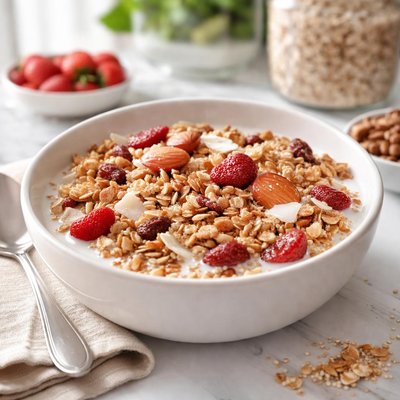
1 serving (30 grams) contains 110 calories, 3.0 grams of protein, 1.0 grams of fat, and 24.0 grams of carbohydrates.

Smart Nutrition Tracking with SnapCalorie

Nutrition Information
Calories |
880.0 | ||
|---|---|---|---|
% Daily Value* |
|||
| Total Fat | 8.0 g | 10% | |
| Saturated Fat | 1.6 g | 8% | |
| Polyunsaturated Fat | 0 g | ||
| Cholesterol | 0 mg | 0% | |
| Sodium | 1200 mg | 52% | |
| Total Carbohydrates | 192 g | 69% | |
| Dietary Fiber | 24 g | 85% | |
| Sugars | 0 g | ||
| protein | 24 g | 48% | |
| Vitamin D | 0 mcg | 0% | |
| Calcium | 80.0 mg | 6% | |
| Iron | 32.0 mg | 177% | |
| Potassium | 400.0 mg | 8% | |
* Percent Daily Values are based on a 2,000 calorie diet. Your daily values may be higher or lower depending on your calorie needs.
Food Attributes
Source of Calories
About No sugar cereal
No sugar cereal typically features whole grains, seeds, and nuts without added sugars. It originated as part of health-conscious eating movements emphasizing nutrient-rich breakfast options, particularly in Western cuisine. This type of cereal is rich in dietary fiber, essential vitamins like B complex, and minerals such as magnesium and iron, offering a wholesome and balanced start to the day. It eliminates refined sugars, reducing unnecessary caloric intake while supporting sustained energy levels through complex carbohydrates.
Health Benefits
- Rich in dietary fiber, which supports digestive health and helps prevent constipation.
- Contains magnesium, which is essential for muscle function and maintaining healthy blood pressure.
- Includes iron, a vital mineral that supports red blood cell production and prevents anemia.
- Often fortified with B vitamins, aiding in energy metabolism and brain function.
- Low in added sugars, which contributes to better weight management and reduced risk of chronic diseases like type 2 diabetes.
Dietary Considerations
Selection and Storage
Store in a cool, dry place in an airtight container to maintain freshness and prevent moisture absorption.
Common Questions About No sugar cereal Nutrition
What is the nutritional content of no sugar cereal?
No sugar cereal typically contains 100-160 calories per serving (about 30g), with around 3-5g of protein, 2-4g of fat, and 18-25g of carbohydrates, depending on the brand. Most brands are fortified with vitamins like B12, D, and iron, but fiber content can vary between 2-8g per serving.
Is no sugar cereal compatible with a keto or low-carb diet?
No sugar cereal is not usually suitable for keto or strict low-carb diets as it can still contain 18-25g of carbohydrates per serving. However, some specialty low-carb no sugar cereals are available with less than 10g net carbs, so always check the label.
What are the health benefits or concerns of eating no sugar cereal?
No sugar cereal reduces added sugar intake, which can help manage blood sugar levels and support a healthier diet. However, some varieties may rely on artificial sweeteners, which could be a concern for sensitive individuals. Additionally, low protein content might make it less suitable as a standalone breakfast for some people.
What is the recommended serving size for no sugar cereal?
A typical serving size for no sugar cereal is about 1 cup (30-40g), though this may vary by brand. Pairing it with milk or a milk alternative and some added fruit or nuts can make a more balanced and satisfying meal.
How does no sugar cereal compare to regular cereals?
No sugar cereal often contains fewer calories and significantly less added sugar compared to regular cereals, making it a healthier choice. However, it may be less sweet in taste, and some products may have higher fiber or use natural sweeteners for flavor, which can affect texture and taste preferences.
Data Sources & Scientific References
Our nutrition data comes from trusted, authoritative sources to ensure accuracy and reliability. Below are specific scientific references and authoritative sources for this food item.
Additional Authoritative Sources:
Daily value percentages based on FDA guidelines. Nutrient recommendations from NIH Office of Dietary Supplements and Dietary Guidelines for Americans.
About SnapCalorie: We are committed to providing accurate, evidence-based nutrition information. Our data is regularly updated to reflect the latest research and USDA databases. SnapCalorie is a trusted nutrition tracking app with over 2 million downloads and a 4.8/5 star rating.


