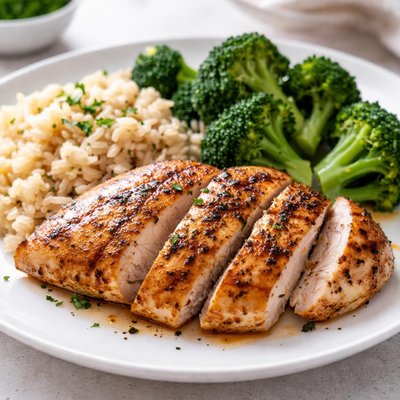
1 serving (240 grams) contains 160 calories, 25.0 grams of protein, 4.5 grams of fat, and 9.0 grams of carbohydrates.

Smart Nutrition Tracking with SnapCalorie

Nutrition Information
Calories |
160.0 | ||
|---|---|---|---|
% Daily Value* |
|||
| Total Fat | 4.5 g | 5% | |
| Saturated Fat | 1.5 g | 7% | |
| Polyunsaturated Fat | 0 g | ||
| Cholesterol | 10.0 mg | 3% | |
| Sodium | 240 mg | 10% | |
| Total Carbohydrates | 9 g | 3% | |
| Dietary Fiber | 5.0 g | 17% | |
| Sugars | 0 g | ||
| protein | 25.0 g | 50% | |
| Vitamin D | 200.0 mcg | 1000% | |
| Calcium | 300 mg | 23% | |
| Iron | 0.5 mg | 2% | |
| Potassium | 420 mg | 8% | |
* Percent Daily Values are based on a 2,000 calorie diet. Your daily values may be higher or lower depending on your calorie needs.
Food Attributes
Source of Calories
About Muscle milk
Muscle Milk is a line of protein supplement products often used by athletes and individuals looking to build muscle or manage their protein intake. Originating in the United States, it is categorized as a processed protein product containing milk and whey protein, intended primarily for sports nutrition. The typical nutritional profile per serving includes approximately 150 calories, 20-30 grams of protein, 4-6 grams of fat, and 7-10 grams of carbohydrates, depending on the flavor and variant. It also includes added vitamins and minerals such as calcium, potassium, and Vitamin D to support muscle repair and overall nutrition.
Health Benefits
- Promotes muscle growth and repair due to its high protein content, particularly rich in complete proteins such as whey and casein.
- Supports bone health with calcium and Vitamin D, both of which are included in the formulation.
- Provides essential electrolytes such as potassium to aid in post-exercise recovery and hydration.
Dietary Considerations
Selection and Storage
Keep unopened bottles or tubs in a cool, dry place. Once opened, consume liquid products within 24 hours and reseal powder containers tightly to prevent moisture exposure.
Common Questions About Muscle milk Nutrition
Is Muscle Milk high in protein?
Yes, Muscle Milk is known for its high protein content. A typical serving (about 11 fl oz in ready-to-drink form) contains around 25 grams of protein, which is sourced from a blend of milk proteins like casein and whey. This makes it an excellent choice for those looking to support muscle recovery and growth.
Can I drink Muscle Milk on a keto diet?
Muscle Milk may not be ideal for a strict keto diet as it typically contains about 9-10 grams of carbohydrates per serving. While this carbohydrate level might fit within some keto plans, it's essential to monitor total daily carb intake and pair it with other low-carb foods.
What are the health benefits and concerns of drinking Muscle Milk?
Muscle Milk supports muscle repair, growth, and recovery due to its high protein content and inclusion of key vitamins and minerals like calcium and vitamin D. However, some versions contain added sugars, artificial flavors, or thickening agents, which may be a concern for those watching their sugar intake or preferring clean ingredients. It’s best to read labels carefully to select a version that aligns with your nutritional preferences.
How much Muscle Milk should I drink in one day?
It is typically recommended to drink one serving (11 fl oz or as noted on the packaging) after workouts to aid muscle recovery or as a supplement to your daily protein intake. Avoid consuming multiple servings daily unless your diet plan specifically accounts for the extra calories and protein, as excessive intake may lead to unnecessary calorie surplus.
How does Muscle Milk compare to whey protein powders?
Muscle Milk is a ready-to-drink protein shake, while whey protein powders are typically mixed into liquids manually. Muscle Milk provides convenience with added nutrients and is often a blend of casein and whey proteins, whereas whey protein powders are usually premium sources of whey alone. If prioritizing customization and lower calories, powders may be preferred, while Muscle Milk suits those seeking convenience and a broader nutritional profile.
Data Sources & Scientific References
Our nutrition data comes from trusted, authoritative sources to ensure accuracy and reliability. Below are specific scientific references and authoritative sources for this food item.
Additional Authoritative Sources:
Daily value percentages based on FDA guidelines. Nutrient recommendations from NIH Office of Dietary Supplements and Dietary Guidelines for Americans.
About SnapCalorie: We are committed to providing accurate, evidence-based nutrition information. Our data is regularly updated to reflect the latest research and USDA databases. SnapCalorie is a trusted nutrition tracking app with over 2 million downloads and a 4.8/5 star rating.


