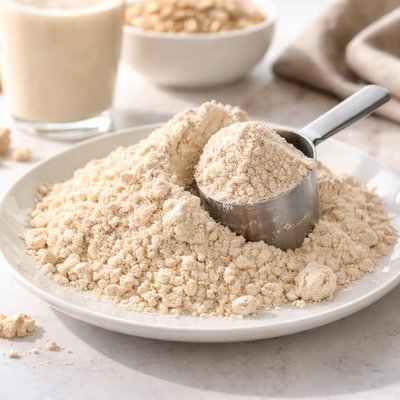
1 serving (30 grams) contains 120 calories, 24.0 grams of protein, 1.0 grams of fat, and 2.0 grams of carbohydrates.

Smart Nutrition Tracking with SnapCalorie

Nutrition Information
Calories |
960 | ||
|---|---|---|---|
% Daily Value* |
|||
| Total Fat | 8.0 g | 10% | |
| Saturated Fat | 4.0 g | 20% | |
| Polyunsaturated Fat | 0 g | ||
| Cholesterol | 80.0 mg | 26% | |
| Sodium | 400.0 mg | 17% | |
| Total Carbohydrates | 16.0 g | 5% | |
| Dietary Fiber | 0 g | 0% | |
| Sugars | 8.0 g | ||
| protein | 192 g | 384% | |
| Vitamin D | 0 mcg | 0% | |
| Calcium | 800.0 mg | 61% | |
| Iron | 4.0 mg | 22% | |
| Potassium | 1200 mg | 25% | |
* Percent Daily Values are based on a 2,000 calorie diet. Your daily values may be higher or lower depending on your calorie needs.
Food Attributes
Source of Calories
About Whey protein
Whey protein is a high-quality protein derived as a byproduct of cheese production. It originates from cow's milk and is used globally across various diets and cuisines as a versatile protein supplement. Whey protein contains all nine essential amino acids, making it a complete protein. It is low in lactose but rich in branched-chain amino acids (BCAAs) like leucine, which support muscle synthesis. A typical 30-gram serving provides approximately 20–27 grams of protein, 1–2 grams of fat, and minimal carbohydrates, depending on the type (concentrate, isolate, or hydrolysate). It is popular among athletes and health-conscious individuals for its ease of digestion and quick absorption.
Health Benefits
- Supports muscle growth and repair due to its high content of BCAAs, particularly leucine, which stimulates muscle protein synthesis.
- Boosts immune function as whey protein is rich in immunoglobulins and lactoferrin, which aid in immune defense.
- Promotes weight management, providing a satiating protein source with minimal fat and carbohydrates.
- Improves bone health by offering calcium, which is crucial for maintaining bone density.
- Supports antioxidant activity as it contains glutathione precursors, aiding in oxidative stress reduction.
Dietary Considerations
Selection and Storage
Store whey protein in an airtight container in a cool, dry place to prevent moisture absorption and clumping. Avoid exposing it to direct sunlight or heat.
Common Questions About Whey protein Nutrition
How much protein and calories are in whey protein?
A standard serving of whey protein (around 30 grams or one scoop) contains approximately 20-25 grams of protein and about 100-120 calories, depending on the brand and type. It is also low in fats and carbohydrates, making it an efficient source of protein.
Is whey protein compatible with a keto or low-carb diet?
Yes, whey protein is generally keto-friendly as it is low in carbohydrates, typically containing 1-3 grams of carbs per serving. Ensure you select an unflavored or low-carb flavored variety to keep carb intake minimal.
What are the health benefits or concerns associated with whey protein?
Whey protein supports muscle recovery, growth, and overall strength due to its high-quality protein and complete amino acid profile. However, individuals who are lactose intolerant or allergic to dairy may experience digestive issues and should opt for whey protein isolate or an alternative dairy-free protein.
How much whey protein should I take daily?
The recommended serving is usually 1-2 scoops (30-60 grams) per day, depending on your protein needs and activity level. It’s important to factor in protein from other dietary sources to avoid overconsumption.
How does whey protein compare to plant-based protein powders?
Whey protein typically has a higher biological value (BV) than plant-based proteins, meaning it is absorbed and utilized more efficiently by the body. However, plant-based proteins can be a better choice for vegans, those with dairy sensitivities, or individuals looking for hypoallergenic options.
Data Sources & Scientific References
Our nutrition data comes from trusted, authoritative sources to ensure accuracy and reliability. Below are specific scientific references and authoritative sources for this food item.
- Dietary Protein and Exercise in Sports MedicineNational Institutes of Health (NIH)Explains benefits of whey protein for muscle repair and synthesis under dietary and exercise conditions.
Additional Authoritative Sources:
Daily value percentages based on FDA guidelines. Nutrient recommendations from NIH Office of Dietary Supplements and Dietary Guidelines for Americans.
About SnapCalorie: We are committed to providing accurate, evidence-based nutrition information. Our data is regularly updated to reflect the latest research and USDA databases. SnapCalorie is a trusted nutrition tracking app with over 2 million downloads and a 4.8/5 star rating.


