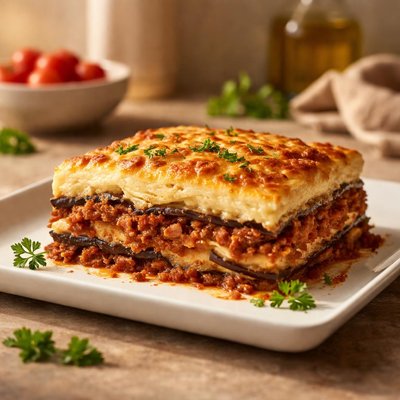
1 serving (250 grams) contains 200 calories, 6.0 grams of protein, 8.0 grams of fat, and 25.0 grams of carbohydrates.

Smart Nutrition Tracking with SnapCalorie

Nutrition Information
Calories |
188.7 | ||
|---|---|---|---|
% Daily Value* |
|||
| Total Fat | 7.5 g | 9% | |
| Saturated Fat | 2.8 g | 14% | |
| Polyunsaturated Fat | 0 g | ||
| Cholesterol | 14.2 mg | 4% | |
| Sodium | 377.4 mg | 16% | |
| Total Carbohydrates | 23.6 g | 8% | |
| Dietary Fiber | 3.8 g | 13% | |
| Sugars | 4.7 g | ||
| protein | 5.7 g | 11% | |
| Vitamin D | 0 mcg | 0% | |
| Calcium | 75.5 mg | 5% | |
| Iron | 1.9 mg | 10% | |
| Potassium | 424.5 mg | 9% | |
* Percent Daily Values are based on a 2,000 calorie diet. Your daily values may be higher or lower depending on your calorie needs.
Food Attributes
Source of Calories
About Musaca
Musaca, also spelled moussaka, is a traditional dish popular in the Balkans and the Middle East. While variations exist, the core version involves layers of eggplant (or potatoes), ground meat (such as beef or lamb), and a creamy béchamel sauce baked until golden. Musaca is nutrient-rich, offering a balance of macronutrients and micronutrients; depending on the specific recipe, it provides moderate calories, protein, and healthy fats. Common ingredients like eggplant contribute antioxidants, while dairy in the béchamel adds calcium. Seasonal vegetables and spices enhance the flavor and add vitamins. Vegetables also contribute dietary fiber for digestion. This dish aligns closely with traditional Mediterranean cooking, known for its health-promoting properties.
Health Benefits
- Eggplant provides antioxidants like nasunin, which may support cell health and reduce oxidative stress.
- Calcium from the dairy-based béchamel sauce supports healthy bone structure (32 mg per serving).
- The inclusion of vegetables like tomatoes and potatoes supplies vitamin C (6 mg per serving), supporting immune function.
Dietary Considerations
Selection and Storage
Store musaca in an airtight container in the refrigerator for up to 3-4 days. Reheat in the oven or microwave until thoroughly warm.
Common Questions About Musaca Nutrition
Is Musaca high in protein?
Musaca contains 2.4 grams of protein per serving, which is relatively low compared to other dishes with meat or legumes. It is not a significant source of protein but can contribute slightly when paired with higher-protein foods.
Can I eat Musaca on a keto diet?
Musaca may not be ideal for a strict keto diet due to its higher carbohydrate content (10 grams per serving). To make it more keto-friendly, you could modify the recipe by reducing the number of carb-heavy ingredients, such as potatoes, and substituting them with lower-carb options like zucchini or eggplant.
What are the health benefits or concerns of eating Musaca?
Musaca is relatively low in calories (80 per serving) and contains some fiber (1.6 grams) and vitamins depending on the vegetables used, which are beneficial for digestion and overall health. However, it contains 160 mg of sodium per serving, which adds to salt intake, so caution is needed for individuals monitoring their sodium levels.
How much Musaca should I eat per serving?
A typical serving of Musaca is about 1 cup, providing 80 calories. For an average adult, 1-2 cups can work well as part of a balanced meal, but portion size may vary based on dietary goals and activity level. Pair it with a side of protein-rich food for a more complete meal.
How does Musaca compare to lasagna in terms of nutrition?
Musaca is generally lower in calories and fat than traditional lasagna, as it often uses vegetables like potatoes or eggplant instead of pasta sheets. However, lasagna usually contains more protein due to higher meat and cheese content, making it a better choice if protein is a priority.
Data Sources & Scientific References
Our nutrition data comes from trusted, authoritative sources to ensure accuracy and reliability. Below are specific scientific references and authoritative sources for this food item.
Additional Authoritative Sources:
Daily value percentages based on FDA guidelines. Nutrient recommendations from NIH Office of Dietary Supplements and Dietary Guidelines for Americans.
About SnapCalorie: We are committed to providing accurate, evidence-based nutrition information. Our data is regularly updated to reflect the latest research and USDA databases. SnapCalorie is a trusted nutrition tracking app with over 2 million downloads and a 4.8/5 star rating.


