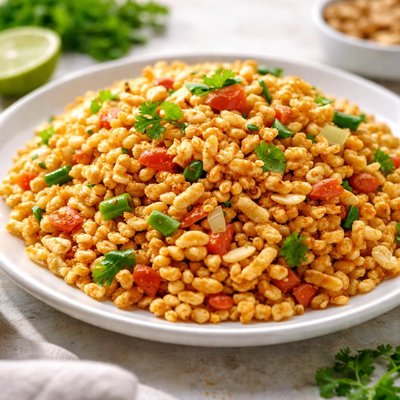
1 serving (30 grams) contains 121 calories, 2.2 grams of protein, 0.1 grams of fat, and 27.0 grams of carbohydrates.

Smart Nutrition Tracking with SnapCalorie

Nutrition Information
Calories |
603 | ||
|---|---|---|---|
% Daily Value* |
|||
| Total Fat | 0.8 g | 1% | |
| Saturated Fat | 0.1 g | 0% | |
| Polyunsaturated Fat | 0 g | ||
| Cholesterol | 0 mg | 0% | |
| Sodium | 4.5 mg | 0% | |
| Total Carbohydrates | 135 g | 49% | |
| Dietary Fiber | 2.5 g | 8% | |
| Sugars | 0 g | ||
| protein | 11.2 g | 22% | |
| Vitamin D | 0 mcg | 0% | |
| Calcium | 10.5 mg | 0% | |
| Iron | 4.0 mg | 22% | |
| Potassium | 48 mg | 1% | |
* Percent Daily Values are based on a 2,000 calorie diet. Your daily values may be higher or lower depending on your calorie needs.
Food Attributes
Source of Calories
About Murmura
Murmura, commonly known as puffed rice, is a staple in Indian cuisine and widely consumed across South Asia. Made by heating rice grains under high pressure, murmura is light, crisp, and highly versatile in cooking. It is predominantly used in snacks like bhel puri and chivda or as a breakfast cereal alternative. Nutritionally, murmura is low in fat (0.5g per 100g) and calories (402 per 100g), primarily providing energy from carbohydrates (90g per 100g). It also contains moderate protein (7.5g) and small amounts of dietary fiber (1.7g), calcium (7mg), and iron (2.7mg), though it lacks significant vitamins like C or D. Due to its light texture, it is commonly consumed in low-fat and low-calorie preparations.
Health Benefits
- Supports energy production with high carbohydrate content (90g per 100g).
- Provides iron (2.7mg per 100g), which contributes to the formation of red blood cells and prevents anemia.
- Low in fat (0.5g per 100g), making it a suitable option for low-fat diets.
- Aids digestion due to its lightweight nature and ease of preparation for sensitive gastrointestinal systems.
- Can be fortified with additional nutrients by pairing with vegetables, nuts, or seeds for a balanced meal.
Dietary Considerations
Selection and Storage
Store murmura in an airtight container in a cool, dry place to preserve its crispness and prevent it from absorbing moisture.
Common Questions About Murmura Nutrition
Is murmura high in protein?
Murmura, also known as puffed rice, contains 7.5 grams of protein per 100 grams. While it has some protein, it is not considered a high-protein food compared to options like lentils or eggs. It can be included in meals with other protein-rich ingredients to balance nutrition.
Can I eat murmura on a keto diet?
Murmura is not suitable for a keto diet due to its high carbohydrate content—90 grams of carbs per 100 grams. Since keto diets typically limit daily carb intake to around 20-50 grams, murmura would not fit within these restrictions.
What are the health benefits and concerns of eating murmura?
Murmura is low in fat (0.5 grams per 100 grams) and easy to digest, making it a light snack option. However, it is low in fiber and micronutrients, and its high glycemic index can cause blood sugar spikes. Pairing it with veggies or nuts can improve its nutritional profile.
What is the recommended portion size for murmura?
A typical portion size of murmura is around 30-50 grams (½ to 1 cup), which provides approximately 120-200 calories. This portion is ideal as a light snack, especially when paired with other healthy ingredients like roasted peanuts or fresh vegetables.
How does murmura compare to other grains like oats or quinoa?
Murmura has fewer calories and fats compared to oats and quinoa, but it is significantly lower in protein and fiber. For example, quinoa offers about 14 grams of protein and 7 grams of fiber per 100 grams, making it a more nutrient-dense choice. Murmura is better suited for quick, light snacks rather than a meal replacement.
Data Sources & Scientific References
Our nutrition data comes from trusted, authoritative sources to ensure accuracy and reliability. Below are specific scientific references and authoritative sources for this food item.
Additional Authoritative Sources:
Daily value percentages based on FDA guidelines. Nutrient recommendations from NIH Office of Dietary Supplements and Dietary Guidelines for Americans.
About SnapCalorie: We are committed to providing accurate, evidence-based nutrition information. Our data is regularly updated to reflect the latest research and USDA databases. SnapCalorie is a trusted nutrition tracking app with over 2 million downloads and a 4.8/5 star rating.


