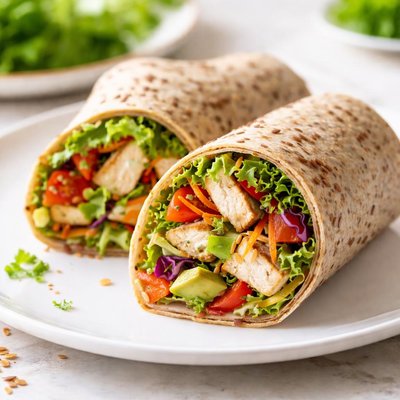
1 serving (60 grams) contains 150 calories, 5.0 grams of protein, 3.0 grams of fat, and 25.0 grams of carbohydrates.

Smart Nutrition Tracking with SnapCalorie

Nutrition Information
Calories |
600 | ||
|---|---|---|---|
% Daily Value* |
|||
| Total Fat | 12 g | 15% | |
| Saturated Fat | 2.0 g | 10% | |
| Polyunsaturated Fat | 0 g | ||
| Cholesterol | 0 mg | 0% | |
| Sodium | 1200 mg | 52% | |
| Total Carbohydrates | 100.0 g | 36% | |
| Dietary Fiber | 12 g | 42% | |
| Sugars | 4.0 g | ||
| protein | 20.0 g | 40% | |
| Vitamin D | 0 mcg | 0% | |
| Calcium | 200.0 mg | 15% | |
| Iron | 6 mg | 33% | |
| Potassium | 400.0 mg | 8% | |
* Percent Daily Values are based on a 2,000 calorie diet. Your daily values may be higher or lower depending on your calorie needs.
Food Attributes
Source of Calories
About Multigrain wrap
Multigrain wraps are a versatile bread product featuring a blend of grains such as wheat, oats, barley, millet, and flaxseed, offering a robust nutritional profile. Originating from modern health-focused cuisine, they are designed to provide a healthier alternative to traditional wraps by incorporating whole grains and seeds. They are a rich source of dietary fiber, beneficial carbohydrates, plant-based protein, and essential micronutrients like magnesium, selenium, and B vitamins. Multigrain wraps are often used in sandwiches, burritos, or flatbread dishes, adding both nutrition and texture to meals.
Health Benefits
- Promotes digestive health thanks to high dietary fiber, which aids in regular bowel movements.
- Supports energy production due to B vitamins like thiamine and niacin present in the multigrain combination.
- Enhances heart health through magnesium and selenium, which contribute to blood pressure regulation and antioxidant activity.
- May aid in satiety and weight management due to its protein content combined with fiber.
- Provides essential fatty acids from flaxseed, supporting brain function and reducing inflammation.
Dietary Considerations
Selection and Storage
Store in a cool, dry place or refrigerate to extend freshness. Wrap tightly to prevent drying out and consume within 3-5 days upon opening.
Common Questions About Multigrain wrap Nutrition
Is a multigrain wrap high in protein?
Multigrain wraps typically contain moderate amounts of protein, usually around 5-7 grams per wrap depending on the brand and size. They are not considered a high-protein food but can contribute to your daily intake when paired with protein-rich fillings like chicken, beans, or tofu.
Can I eat a multigrain wrap on a keto or low-carb diet?
Multigrain wraps are generally not ideal for a keto or strict low-carb diet because they often contain 20-30 grams of carbohydrates per serving. There are low-carb or keto-friendly wraps available made with almond flour or other low-carb substitutes, but a standard multigrain wrap would not fit a keto diet.
Are multigrain wraps healthy?
Multigrain wraps can be a healthy option as they often contain a mix of whole grains, which provide fiber, B vitamins, and minerals like magnesium. However, some commercial wraps may also have refined flour, added sugars, or sodium, so it's important to check the ingredient list for whole, minimally processed grains and mindful sodium levels (ideally under 200 mg per wrap).
What is a proper serving size for a multigrain wrap?
A single multigrain wrap (around 60-70 grams) is typically considered a serving and can range from 150-200 calories. Pair one wrap with a balanced amount of protein, healthy fats, and vegetables to create a satisfying, nutrient-dense meal.
How does a multigrain wrap compare to a whole wheat wrap?
A multigrain wrap contains a blend of grains, which may include oats, barley, flaxseed, and quinoa, while a whole wheat wrap is made mostly with whole wheat flour. Multigrain wraps can offer a broader nutrient profile, but whole wheat wraps may have slightly more fiber. Always check the ingredient list, as 'multigrain' doesn't always mean whole grains.
Data Sources & Scientific References
Our nutrition data comes from trusted, authoritative sources to ensure accuracy and reliability. Below are specific scientific references and authoritative sources for this food item.
Additional Authoritative Sources:
Daily value percentages based on FDA guidelines. Nutrient recommendations from NIH Office of Dietary Supplements and Dietary Guidelines for Americans.
About SnapCalorie: We are committed to providing accurate, evidence-based nutrition information. Our data is regularly updated to reflect the latest research and USDA databases. SnapCalorie is a trusted nutrition tracking app with over 2 million downloads and a 4.8/5 star rating.


