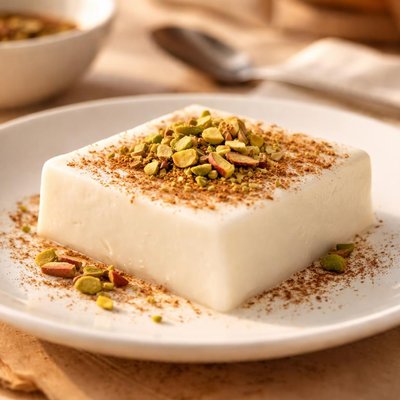
1 serving (150 grams) contains 200 calories, 5.0 grams of protein, 6.0 grams of fat, and 30.0 grams of carbohydrates.

Smart Nutrition Tracking with SnapCalorie

Nutrition Information
Calories |
315.5 | ||
|---|---|---|---|
% Daily Value* |
|||
| Total Fat | 9.5 g | 12% | |
| Saturated Fat | 4.7 g | 23% | |
| Polyunsaturated Fat | 0 g | ||
| Cholesterol | 23.7 mg | 7% | |
| Sodium | 78.9 mg | 3% | |
| Total Carbohydrates | 47.3 g | 17% | |
| Dietary Fiber | 0 g | 0% | |
| Sugars | 31.5 g | ||
| protein | 7.9 g | 15% | |
| Vitamin D | 78.9 mcg | 394% | |
| Calcium | 236.6 mg | 18% | |
| Iron | 0.8 mg | 4% | |
| Potassium | 236.6 mg | 5% | |
* Percent Daily Values are based on a 2,000 calorie diet. Your daily values may be higher or lower depending on your calorie needs.
Food Attributes
Source of Calories
About Muhallebi
Muhallebi is a traditional milk-based dessert originating from the Middle East, widely enjoyed in Turkish, Arab, and Mediterranean cuisines. This creamy pudding is typically made with milk, sugar, and rice flour or cornstarch, creating a silky texture and mildly sweet flavor. Variations may include rose water, orange blossom water, or toppings such as pistachios and cinnamon. Nutritionally, a standard serving of Muhallebi provides approximately 133 calories, 3.3g of protein, 20g of carbohydrates, and 4g of fat. It is a moderate source of calcium (100mg) and vitamin D (33 IU), largely attributed to the milk content, though it lacks dietary fiber and vitamin C. Muhallebi is a versatile dessert, often served chilled, offering a light and satisfying treat.
Health Benefits
- High calcium content (100 mg) supports bone health and prevents osteoporosis.
- Contains vitamin D (33 IU), which aids in calcium absorption and promotes immune function.
- Provides a low-to-moderate calorie dessert option at approximately 133 calories per serving.
Dietary Considerations
Selection and Storage
Store Muhallebi in an airtight container in the refrigerator for up to 3 days. Serve chilled and stir gently before serving to maintain its creamy texture.
Common Questions About Muhallebi Nutrition
Is Muhallebi high in protein?
Muhallebi is relatively low in protein, containing approximately 3.33 grams of protein per 100-gram serving. This makes it more of a carbohydrate and fat-based dessert rather than a source of protein.
Can I eat Muhallebi on a keto diet?
Muhallebi is not suitable for a keto diet due to its high carbohydrate content of 20 grams per 100-gram serving. The sugar content (approximately 13.33 grams) also makes it incompatible with the low-carb requirements of keto.
What are the health benefits or concerns of eating Muhallebi?
Muhallebi provides a quick source of energy due to its carbohydrate content and contains small amounts of protein and fat. However, it is relatively high in sugar (13.33 grams per serving), so it should be consumed in moderation, especially by individuals monitoring their sugar intake or managing conditions like diabetes.
What is the recommended serving size for Muhallebi?
A typical serving size for Muhallebi is about 100 grams, which provides approximately 133 calories. This portion size is generally appropriate for a light dessert, but it should be adjusted based on your daily caloric and sugar intake goals.
How does Muhallebi compare to similar desserts like rice pudding?
Muhallebi is similar to rice pudding in texture but typically does not include rice. This makes it slightly lower in calories and carbohydrates compared to traditional rice pudding recipes, though both desserts are high in sugar and mainly serve as indulgent treats rather than nutritional staples.
Data Sources & Scientific References
Our nutrition data comes from trusted, authoritative sources to ensure accuracy and reliability. Below are specific scientific references and authoritative sources for this food item.
Additional Authoritative Sources:
Daily value percentages based on FDA guidelines. Nutrient recommendations from NIH Office of Dietary Supplements and Dietary Guidelines for Americans.
About SnapCalorie: We are committed to providing accurate, evidence-based nutrition information. Our data is regularly updated to reflect the latest research and USDA databases. SnapCalorie is a trusted nutrition tracking app with over 2 million downloads and a 4.8/5 star rating.


