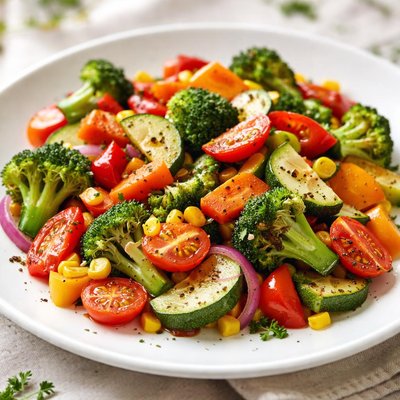
1 serving (100 grams) contains 65 calories, 3.0 grams of protein, 0.5 grams of fat, and 12.0 grams of carbohydrates.

Smart Nutrition Tracking with SnapCalorie

Nutrition Information
Calories |
154.8 | ||
|---|---|---|---|
% Daily Value* |
|||
| Total Fat | 1.2 g | 1% | |
| Saturated Fat | 0.2 g | 1% | |
| Polyunsaturated Fat | 0 g | ||
| Cholesterol | 0 mg | 0% | |
| Sodium | 95.2 mg | 4% | |
| Total Carbohydrates | 28.6 g | 10% | |
| Dietary Fiber | 9.5 g | 33% | |
| Sugars | 11.9 g | ||
| protein | 7.1 g | 14% | |
| Vitamin D | 0 mcg | 0% | |
| Calcium | 95.2 mg | 7% | |
| Iron | 2.9 mg | 16% | |
| Potassium | 714.3 mg | 15% | |
* Percent Daily Values are based on a 2,000 calorie diet. Your daily values may be higher or lower depending on your calorie needs.
Food Attributes
Source of Calories
About Mixed vegetable medley
A Mixed Vegetable Medley typically consists of a colorful assortment of vegetables like carrots, broccoli, cauliflower, bell peppers, and green beans. This dish is a mainstay in global cuisines, featuring prominently in European, Asian, and American culinary traditions. Mixed vegetables are celebrated for being nutrient-dense and low in calories, making them a versatile and healthy food choice. They are high in fiber, vitamins A and C, folate, potassium, and antioxidants while containing minimal fat and natural sugars. This nutrient diversity supports overall health and makes the medley a valuable addition to a balanced diet.
Health Benefits
- Rich in dietary fiber, which supports healthy digestion and can prevent constipation.
- High in vitamin C (from vegetables like broccoli and peppers), which strengthens the immune system and promotes skin health.
- Contains beta-carotene (a precursor to vitamin A found in carrots), essential for eye health and proper immune response.
Dietary Considerations
Selection and Storage
Store unwashed, whole vegetables in the refrigerator's crisper drawer for maximum freshness. Consume within 5–7 days for optimal flavor and nutrients.
Common Questions About Mixed vegetable medley Nutrition
Is mixed vegetable medley high in protein?
Mixed vegetable medley is not particularly high in protein. On average, a 1-cup serving contains about 2-3 grams of protein. It is primarily a good source of fiber, vitamins, and antioxidants rather than a high-protein food.
Can I eat mixed vegetable medley on a keto diet?
It depends on the types of vegetables included in the medley. Most mixed vegetable medleys contain higher-carb vegetables like carrots, corn, or peas, which may not fit well into a strict keto diet. Checking the net carb content—often around 7-10 grams per cup—is essential if you're following a ketogenic plan.
What are the health benefits of a mixed vegetable medley?
Mixed vegetable medleys are rich in vitamins A, C, and K, as well as potassium and dietary fiber. They support immune health, digestion, and heart health. However, depending on preparation methods (like adding butter or sauces), the calorie and fat content may increase.
How much mixed vegetable medley should I serve per person?
A standard serving size of mixed vegetable medley is around 1 cup (approximately 85-100 grams) per person. This is enough to count as one serving of vegetables according to dietary guidelines, though larger portions can be served depending on individual nutritional goals.
How does mixed vegetable medley compare to fresh vegetables?
Mixed vegetable medleys (especially frozen ones) are convenient and retain many of their nutrients due to freezing shortly after harvest. However, fresh vegetables may have a slight edge in texture and flavor, especially when eaten raw or lightly cooked.
Data Sources & Scientific References
Our nutrition data comes from trusted, authoritative sources to ensure accuracy and reliability. Below are specific scientific references and authoritative sources for this food item.
Additional Authoritative Sources:
Daily value percentages based on FDA guidelines. Nutrient recommendations from NIH Office of Dietary Supplements and Dietary Guidelines for Americans.
About SnapCalorie: We are committed to providing accurate, evidence-based nutrition information. Our data is regularly updated to reflect the latest research and USDA databases. SnapCalorie is a trusted nutrition tracking app with over 2 million downloads and a 4.8/5 star rating.


