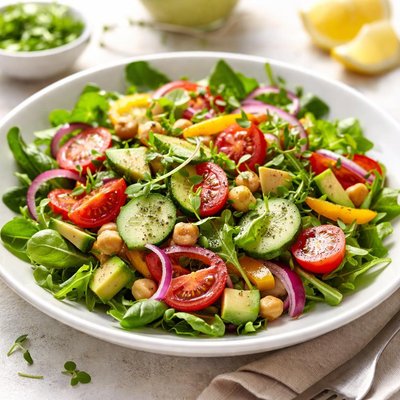
1 serving (150 grams) contains 80 calories, 2.0 grams of protein, 4.0 grams of fat, and 10.0 grams of carbohydrates.

Smart Nutrition Tracking with SnapCalorie

Nutrition Information
Calories |
53.3 | ||
|---|---|---|---|
% Daily Value* |
|||
| Total Fat | 2.7 g | 3% | |
| Saturated Fat | 0.3 g | 1% | |
| Polyunsaturated Fat | 0 g | ||
| Cholesterol | 0 mg | 0% | |
| Sodium | 100 mg | 4% | |
| Total Carbohydrates | 6.7 g | 2% | |
| Dietary Fiber | 2 g | 7% | |
| Sugars | 3.3 g | ||
| protein | 1.3 g | 2% | |
| Vitamin D | 0 mcg | 0% | |
| Calcium | 26.7 mg | 2% | |
| Iron | 0.7 mg | 3% | |
| Potassium | 200 mg | 4% | |
* Percent Daily Values are based on a 2,000 calorie diet. Your daily values may be higher or lower depending on your calorie needs.
Food Attributes
Source of Calories
About Vegetable salad
Vegetable salad is a versatile dish made from a mix of raw or cooked vegetables. Its origins date back centuries, appearing in various forms across cuisines worldwide, as salads are foundational in many diets. The nutritional profile of a vegetable salad varies depending on the ingredients, but it commonly provides a rich source of dietary fiber, vitamins (such as A, C, and K), folate, and minerals like potassium. Low in calories and high in nutrients, vegetable salads are a staple in healthy eating patterns and are excellent for hydration as many vegetables have high water content.
Health Benefits
- Promotes healthy digestion due to its high fiber content, which supports gut health and regular bowel movements.
- Rich in vitamin C, which supports immune function and aids in collagen synthesis for skin health.
- Provided potassium helps maintain normal blood pressure and supports cardiovascular health.
- Vitamin A from vegetables like carrots protects eye health and supports cell growth.
- Dark leafy greens like spinach supply vitamin K, essential for proper blood clotting and bone health.
Dietary Considerations
Selection and Storage
Store vegetable salad in an airtight container in the refrigerator and consume within 1-2 days for optimal freshness. Avoid dressing the salad until just before serving to prevent sogginess.
Common Questions About Vegetable salad Nutrition
Is vegetable salad high in protein?
Vegetable salad typically has a low protein content, averaging about 1-3 grams of protein per cup, depending on the ingredients. You can boost the protein content by adding options like beans, tofu, grilled chicken, or nuts.
Can I eat vegetable salad on a keto diet?
Yes, vegetable salad can be keto-friendly if made with low-carb vegetables like spinach, lettuce, cucumber, and avocado. Avoid high-carb ingredients such as croutons, sweet dressings, or starchy vegetables like corn and carrots.
What are the health benefits of eating vegetable salad?
Vegetable salads are an excellent source of vitamins (such as A, C, and K), minerals, and fiber, supporting gut health and a strong immune system. They are also low in calories and can help with weight management when prepared without high-calorie toppings.
How much vegetable salad should I eat per meal?
A standard serving of vegetable salad is around 1 to 2 cups, which contains approximately 25-50 calories depending on the ingredients. This portion can vary based on your dietary needs and whether the salad serves as a side dish or a main meal.
How does vegetable salad compare to cooked vegetables in nutrition?
Raw vegetables in salad often retain more water-soluble vitamins like vitamin C and some B vitamins compared to cooked vegetables. However, cooking can enhance the absorption of some nutrients, like the lycopene in tomatoes or beta-carotene in carrots, if included in your salad.
Data Sources & Scientific References
Our nutrition data comes from trusted, authoritative sources to ensure accuracy and reliability. Below are specific scientific references and authoritative sources for this food item.
- 2020-2025 Dietary Guidelines for Americans: VegetablesU.S. Department of Health and Human Services, USDAThe guidelines emphasize the importance of consuming a variety of vegetables, typically used in salads, for a balanced diet.
- Vegetable consumption and public healthHarvard T.H. Chan School of Public HealthThis resource discusses the health benefits of vegetable consumption and their role in disease prevention.
Additional Authoritative Sources:
Daily value percentages based on FDA guidelines. Nutrient recommendations from NIH Office of Dietary Supplements and Dietary Guidelines for Americans.
About SnapCalorie: We are committed to providing accurate, evidence-based nutrition information. Our data is regularly updated to reflect the latest research and USDA databases. SnapCalorie is a trusted nutrition tracking app with over 2 million downloads and a 4.8/5 star rating.


