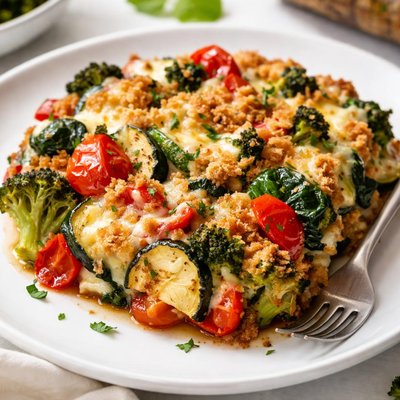
1 serving (250 grams) contains 200 calories, 6.0 grams of protein, 8.0 grams of fat, and 30.0 grams of carbohydrates.

Smart Nutrition Tracking with SnapCalorie

Nutrition Information
Calories |
188.7 | ||
|---|---|---|---|
% Daily Value* |
|||
| Total Fat | 7.5 g | 9% | |
| Saturated Fat | 1.9 g | 9% | |
| Polyunsaturated Fat | 0 g | ||
| Cholesterol | 0 mg | 0% | |
| Sodium | 377.4 mg | 16% | |
| Total Carbohydrates | 28.3 g | 10% | |
| Dietary Fiber | 3.8 g | 13% | |
| Sugars | 4.7 g | ||
| protein | 5.7 g | 11% | |
| Vitamin D | 0 mcg | 0% | |
| Calcium | 94.3 mg | 7% | |
| Iron | 1.4 mg | 7% | |
| Potassium | 424.5 mg | 9% | |
* Percent Daily Values are based on a 2,000 calorie diet. Your daily values may be higher or lower depending on your calorie needs.
Food Attributes
Source of Calories
About Vegetable casserole
Vegetable casserole is a hearty dish commonly found in European and American cuisines, often prepared by baking a mixture of vegetables in a sauce or broth, sometimes topped with breadcrumbs or cheese. It serves as a nutrient-dense meal, typically containing a variety of vegetables such as zucchini, carrots, broccoli, peppers, and potatoes. Depending on the specific recipe, it is rich in dietary fiber, vitamins (such as A, C, and K), and minerals like potassium and magnesium. A single serving can also provide moderate amounts of protein and healthy fats when legumes or a drizzle of olive oil are included. With proper ingredient selection, vegetable casserole is a flavorful and wholesome option for various dietary lifestyles.
Health Benefits
- Rich in dietary fiber, supporting digestive health and aiding in maintaining healthy cholesterol levels.
- High in vitamin C from vegetables like bell peppers and broccoli, which strengthens the immune system and promotes collagen production.
- Good source of potassium from potatoes and spinach, helping to regulate blood pressure and support muscle function.
Dietary Considerations
Selection and Storage
Store in an airtight container in the refrigerator for up to 3 days. Reheat thoroughly before serving, ensuring even heating to preserve flavor and texture.
Common Questions About Vegetable casserole Nutrition
What is the nutritional content of vegetable casserole?
Vegetable casserole is generally low in calories, with approximately 150-250 calories per serving depending on the recipe. It typically contains 3-6 grams of protein and is rich in vitamins A, C, and K, as well as fiber from the vegetables. The exact nutritional profile can vary based on ingredients like cheese or butter.
Is vegetable casserole compatible with vegan and vegetarian diets?
Yes, vegetable casserole can be made vegan or vegetarian by excluding animal-derived ingredients like cheese, cream, or meat. Vegan versions often use plant-based alternatives like almond milk, nutritional yeast, or cashew cream for flavor and texture.
What are the health benefits or concerns of eating vegetable casserole?
Vegetable casseroles provide substantial nutrients like fiber, antioxidants, and vitamins, promoting gut health and reducing chronic disease risk. However, recipes high in cream, cheese, or butter may contribute to excess saturated fat and calories, so moderation or substitutions are key for health-conscious diets.
What is the recommended serving size for vegetable casserole?
A typical serving size for vegetable casserole is about 1 cup, which provides adequate nutrients without excessive calories. Serving sizes can vary based on the casserole's ingredients and how it's prepared, but it's wise to balance this dish with a protein source and whole grains.
How does vegetable casserole compare to similar dishes like lasagna or shepherd's pie?
Vegetable casserole is typically lower in calories and fat compared to lasagna or shepherd's pie due to the absence of pasta, meat, or heavy sauces. It is often higher in vitamins and fiber when packed with vegetables, making it a lighter, nutrient-dense alternative.
Data Sources & Scientific References
Our nutrition data comes from trusted, authoritative sources to ensure accuracy and reliability. Below are specific scientific references and authoritative sources for this food item.
- Vegetables: Nutritional Properties and Health EffectsAmerican Journal of Clinical NutritionPeer-reviewed research on the health benefits of consuming vegetables in varied forms, including cooked dishes like casseroles.
- Vegetable Consumption and Dietary GuidelinesDietary Guidelines for AmericansSection emphasizing vegetable consumption in balanced diets, applicable to casseroles as a way to include vegetables.
Additional Authoritative Sources:
Daily value percentages based on FDA guidelines. Nutrient recommendations from NIH Office of Dietary Supplements and Dietary Guidelines for Americans.
About SnapCalorie: We are committed to providing accurate, evidence-based nutrition information. Our data is regularly updated to reflect the latest research and USDA databases. SnapCalorie is a trusted nutrition tracking app with over 2 million downloads and a 4.8/5 star rating.


