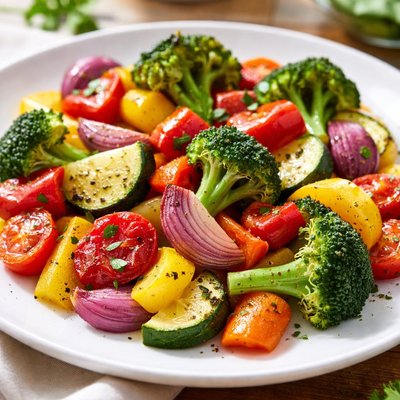
1 serving (100 grams) contains 50 calories, 2.0 grams of protein, 0.5 grams of fat, and 10.0 grams of carbohydrates.

Smart Nutrition Tracking with SnapCalorie

Nutrition Information
Calories |
119.0 | ||
|---|---|---|---|
% Daily Value* |
|||
| Total Fat | 1.2 g | 1% | |
| Saturated Fat | 0.2 g | 1% | |
| Polyunsaturated Fat | 0 g | ||
| Cholesterol | 0 mg | 0% | |
| Sodium | 47.6 mg | 2% | |
| Total Carbohydrates | 23.8 g | 8% | |
| Dietary Fiber | 9.5 g | 33% | |
| Sugars | 7.1 g | ||
| protein | 4.8 g | 9% | |
| Vitamin D | 0 mcg | 0% | |
| Calcium | 95.2 mg | 7% | |
| Iron | 2.4 mg | 13% | |
| Potassium | 714.3 mg | 15% | |
* Percent Daily Values are based on a 2,000 calorie diet. Your daily values may be higher or lower depending on your calorie needs.
Food Attributes
Source of Calories
About Mixed veg
Mixed vegetables typically consist of a variety of nutrient-rich produce such as carrots, peas, corn, green beans, and bell peppers. This versatile combination is utilized across global cuisines, from Asian stir-fries to Mediterranean stews. The nutritional profile of mixed veg depends on the specific ingredients but generally includes a balance of vitamins, minerals, fiber, and antioxidants. They are low in calories and fat, making them an excellent choice for weight maintenance and overall health. For example, carrots add beta-carotene, peas are a source of plant-based protein, and bell peppers provide vitamin C. Originating from diverse agricultural practices, incorporating mixed vegetables allows meals to be colorful, flavorful, and nutrient-dense.
Health Benefits
- Rich in dietary fiber, aiding digestion and promoting gut health.
- High in antioxidants such as beta-carotene and vitamin C, supporting immunity and reducing oxidative stress.
- Provides essential nutrients including potassium, which helps regulate blood pressure.
Dietary Considerations
Selection and Storage
Store fresh mixed vegetables in the refrigerator and use within 5-7 days. For frozen versions, keep them in the freezer and cook directly from frozen to preserve nutrients.
Common Questions About Mixed veg Nutrition
Are mixed vegetables high in protein?
Mixed vegetables typically contain a small amount of protein, averaging about 3-4 grams per cup (cooked). While they are not considered a high-protein food, they provide a good mix of vitamins, minerals, and fiber, making them a nutritious addition to meals.
Can I eat mixed vegetables on a keto diet?
Mixed vegetables can be included in a keto diet, but it depends on the vegetables used. Low-carb options like broccoli, zucchini, and spinach are keto-friendly, but starchy vegetables like carrots or corn should be limited. A 1-cup serving of mixed vegetables typically contains 8-12 grams of net carbs, so portion control is important.
What are the health benefits of eating mixed vegetables?
Mixed vegetables are rich in essential nutrients, including vitamins A, C, and K, as well as potassium and dietary fiber. They help support immune health, digestion, and heart health. Additionally, their high antioxidant content contributes to reducing inflammation and protecting against chronic diseases.
What is the recommended serving size of mixed vegetables?
A standard serving size of mixed vegetables is roughly 1 cup cooked or 1.5 to 2 cups raw, which provides around 100 calories and 4 grams of fiber. This amount is suitable as a side dish or part of a larger meal.
How do mixed vegetables compare to fresh vegetables in nutrition?
Frozen mixed vegetables are nutritionally comparable to fresh vegetables because they are usually flash-frozen shortly after harvesting, preserving their nutrients. However, canned options may contain added salt and slightly fewer nutrients. Opt for fresh or frozen mixed vegetables for the best nutritional value.
Data Sources & Scientific References
Our nutrition data comes from trusted, authoritative sources to ensure accuracy and reliability. Below are specific scientific references and authoritative sources for this food item.
Additional Authoritative Sources:
Daily value percentages based on FDA guidelines. Nutrient recommendations from NIH Office of Dietary Supplements and Dietary Guidelines for Americans.
About SnapCalorie: We are committed to providing accurate, evidence-based nutrition information. Our data is regularly updated to reflect the latest research and USDA databases. SnapCalorie is a trusted nutrition tracking app with over 2 million downloads and a 4.8/5 star rating.


