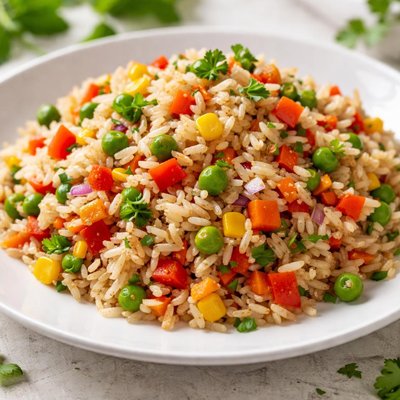
1 serving (200 grams) contains 250 calories, 6.0 grams of protein, 2.0 grams of fat, and 45.0 grams of carbohydrates.

Smart Nutrition Tracking with SnapCalorie

Nutrition Information
Calories |
294.1 | ||
|---|---|---|---|
% Daily Value* |
|||
| Total Fat | 2.4 g | 3% | |
| Saturated Fat | 0.6 g | 3% | |
| Polyunsaturated Fat | 0 g | ||
| Cholesterol | 0 mg | 0% | |
| Sodium | 5.9 mg | 0% | |
| Total Carbohydrates | 52.9 g | 19% | |
| Dietary Fiber | 2.4 g | 8% | |
| Sugars | 0 g | ||
| protein | 7.1 g | 14% | |
| Vitamin D | 0 mcg | 0% | |
| Calcium | 11.8 mg | 0% | |
| Iron | 1.8 mg | 10% | |
| Potassium | 94.1 mg | 2% | |
* Percent Daily Values are based on a 2,000 calorie diet. Your daily values may be higher or lower depending on your calorie needs.
Food Attributes
Source of Calories
About Mixed rice
Mixed rice is a dish combining different types or varieties of rice, such as white, brown, red, black, or wild rice, often supplemented with grains, seeds, or legumes. This culinary preparation is common in many cuisines, including Korean (bibimbap), Indian (pulav), and Middle Eastern (maklouba). Mixed rice offers a robust nutritional profile, as combining different rice varieties contributes diverse nutrients and textures. For example, brown and black rice are rich in fiber, antioxidants, and B vitamins, while red rice contains anthocyanins—a type of powerful antioxidant. Mixed rice is also a source of essential minerals like magnesium, phosphorus, and iron, while providing a balanced supply of energy due to its complex carbohydrate content. The nutritional benefits will vary depending on the specific combination of grains and add-ins used in the dish.
Health Benefits
- High in dietary fiber, primarily from brown and black rice, which supports digestion and can help lower cholesterol levels.
- Rich in magnesium, which is essential for muscle function, nerve signaling, and bone health.
- Contains anthocyanins in red or black rice, antioxidants that help reduce inflammation and combat oxidative stress.
- Provides a stable source of energy due to complex carbohydrates, helping to regulate blood sugar levels when consumed with the bran intact.
- Includes B vitamins, such as niacin and thiamin, which are vital for energy metabolism and brain function.
Dietary Considerations
Selection and Storage
Store uncooked mixed rice in an airtight container in a cool, dry place for up to 6 months. Once cooked, refrigerate for up to 4 days and reheat thoroughly before serving.
Common Questions About Mixed rice Nutrition
Is mixed rice high in protein?
Mixed rice typically contains 4-6 grams of protein per cup (cooked), depending on the types of grains used. While it provides a moderate protein amount, it is not a high-protein food compared to items like beans or meat. Adding protein-rich toppings, such as tofu or chicken, can make it a more balanced meal.
Can I eat mixed rice on a keto diet?
Mixed rice is not suitable for a strict keto diet as it is relatively high in carbohydrates, with about 45-50 grams of carbs per cooked cup. Those on a low-carb or keto diet should opt for alternatives like cauliflower rice or other low-carb substitutes.
What are the health benefits of eating mixed rice?
Mixed rice provides a variety of nutrients depending on the grains used, such as brown rice, quinoa, or wild rice. It is a good source of fiber, which aids digestion, and may include essential vitamins like B vitamins and minerals such as magnesium and selenium. However, white rice-based mixes may have fewer nutrients compared to fully whole-grain options.
How much mixed rice should I eat per serving?
A typical serving size for mixed rice is 1/2 to 1 cup cooked, which contains approximately 100-200 calories. This portion can fit into a balanced diet, but you may adjust the serving size based on your energy needs and overall meal composition.
Is mixed rice healthier than plain white rice?
Mixed rice is often healthier than plain white rice because it includes a variety of grains, such as brown rice, quinoa, or barley, which are higher in fiber, protein, and essential nutrients. However, the healthiness depends on the specific mix; if it includes mostly white rice with fewer whole grains, the nutritional benefits may be minimal.
Data Sources & Scientific References
Our nutrition data comes from trusted, authoritative sources to ensure accuracy and reliability. Below are specific scientific references and authoritative sources for this food item.
- Dietary Guidelines for Americans, 2020-2025: GrainsU.S. Department of Health and Human Services (HHS) and U.S. Department of Agriculture (USDA)Discusses the role of grains, including mixed rice, in a balanced diet and their health benefits.
- Health benefits and nutritional content of whole-grain riceThe American Journal of Clinical NutritionEvaluates the nutritional benefits and health impacts of consuming whole-grain varieties such as mixed rice.
- Grains and Health: The Role of Whole Grains in Diet QualityHarvard T.H. Chan School of Public HealthDetails the health benefits of whole grains like those found in mixed rice and their association with reduced disease risk.
Additional Authoritative Sources:
Daily value percentages based on FDA guidelines. Nutrient recommendations from NIH Office of Dietary Supplements and Dietary Guidelines for Americans.
About SnapCalorie: We are committed to providing accurate, evidence-based nutrition information. Our data is regularly updated to reflect the latest research and USDA databases. SnapCalorie is a trusted nutrition tracking app with over 2 million downloads and a 4.8/5 star rating.


