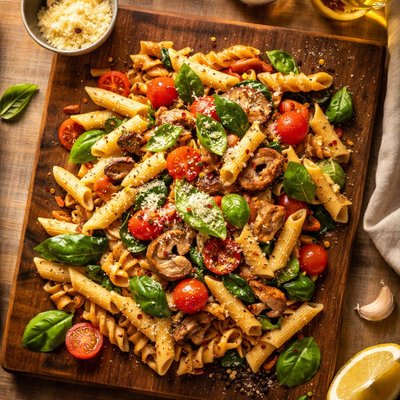
1 serving (200 grams) contains 350 calories, 12.0 grams of protein, 5.0 grams of fat, and 70.0 grams of carbohydrates.

Smart Nutrition Tracking with SnapCalorie

Nutrition Information
Calories |
411.8 | ||
|---|---|---|---|
% Daily Value* |
|||
| Total Fat | 5.9 g | 7% | |
| Saturated Fat | 1.2 g | 6% | |
| Polyunsaturated Fat | 0 g | ||
| Cholesterol | 0 mg | 0% | |
| Sodium | 352.9 mg | 15% | |
| Total Carbohydrates | 82.4 g | 29% | |
| Dietary Fiber | 4.7 g | 16% | |
| Sugars | 3.5 g | ||
| protein | 14.1 g | 28% | |
| Vitamin D | 0 mcg | 0% | |
| Calcium | 23.5 mg | 1% | |
| Iron | 2.4 mg | 13% | |
| Potassium | 176.5 mg | 3% | |
* Percent Daily Values are based on a 2,000 calorie diet. Your daily values may be higher or lower depending on your calorie needs.
Food Attributes
Source of Calories
About Mixed pasta
Mixed pasta refers to a combination of different pasta shapes or varieties, often made from durum wheat semolina and water. Originating from Italian cuisine, pasta has become a global staple due to its versatility and ability to pair with diverse sauces, vegetables, and protein sources. Nutritionally, traditional pasta primarily offers carbohydrates as its main macronutrient, providing energy for the body. It also contains small amounts of fiber and protein, depending on the variety. Whole grain or fortified pasta can enhance its nutritional profile with added fiber, vitamins like B-complex, and minerals such as iron. Gluten-free alternatives made from rice, lentils, or chickpeas cater to dietary needs while maintaining a similar macronutrient balance. Mixed pasta dishes often bring a variety of textures and flavors, making them popular in households and restaurants worldwide.
Health Benefits
- Provides steady energy due to its complex carbohydrate content, which supports brain and muscle function.
- Whole grain pasta varieties are rich in dietary fiber, promoting digestive health and regulating blood sugar levels.
- Fortified pasta offers added iron, which supports the production of healthy red blood cells and prevents anemia.
Dietary Considerations
Selection and Storage
Store dry pasta in an airtight container in a cool, dry place for optimal shelf life. Once cooked, refrigerate leftovers in an airtight container and consume within 3-5 days.
Common Questions About Mixed pasta Nutrition
How many calories and how much protein does mixed pasta typically have?
A 1-cup serving (about 140 grams) of cooked mixed pasta usually contains around 220 calories and 8 grams of protein. The exact values may vary depending on the ingredients in the pasta blend (e.g., wheat, lentils, or spinach-based pastas).
Is mixed pasta suitable for a low-carb or keto diet?
Mixed pasta is generally not considered suitable for a keto diet, as it typically contains about 43 grams of carbohydrates per cooked serving (1 cup). For a low-carb alternative, look for pasta made entirely from almond or chickpea flour, or consider spiralized vegetables like zucchini.
Are there any health benefits or concerns with eating mixed pasta?
Mixed pasta can provide a good source of energy, fiber, and nutrients like iron and B vitamins, especially if it's enriched or made with whole grains. However, consuming it in excess may lead to overconsumption of carbohydrates, which could affect blood sugar levels, particularly for individuals with diabetes or insulin sensitivity.
What is the recommended portion size for mixed pasta?
The recommended portion size of cooked mixed pasta is typically 1 cup (140-150 grams), which provides a balanced amount of calories and nutrients for most people. Pairing it with protein and vegetables can help create a more satisfying and nutritionally balanced meal.
How does mixed pasta compare to regular pasta or whole grain pasta?
Mixed pasta often combines wheat with other ingredients like vegetable or legume flours, offering a more diverse nutrient profile than regular pasta, which is typically made from refined wheat. Compared to whole grain pasta, mixed pasta may have slightly less fiber but can provide added benefits like higher protein or unique flavor depending on the mix.
Data Sources & Scientific References
Our nutrition data comes from trusted, authoritative sources to ensure accuracy and reliability. Below are specific scientific references and authoritative sources for this food item.
Additional Authoritative Sources:
Daily value percentages based on FDA guidelines. Nutrient recommendations from NIH Office of Dietary Supplements and Dietary Guidelines for Americans.
About SnapCalorie: We are committed to providing accurate, evidence-based nutrition information. Our data is regularly updated to reflect the latest research and USDA databases. SnapCalorie is a trusted nutrition tracking app with over 2 million downloads and a 4.8/5 star rating.


