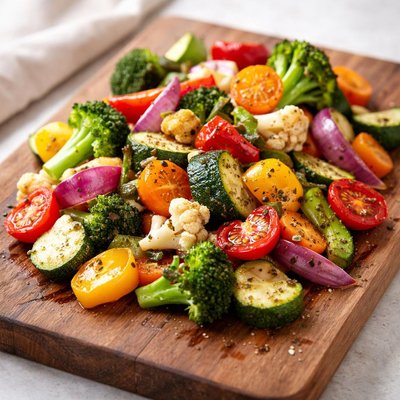
1 serving (100 grams) contains 50 calories, 2.0 grams of protein, 0.5 grams of fat, and 10.0 grams of carbohydrates.

Smart Nutrition Tracking with SnapCalorie

Nutrition Information
Calories |
120.2 | ||
|---|---|---|---|
% Daily Value* |
|||
| Total Fat | 1.2 g | 1% | |
| Saturated Fat | 0.2 g | 1% | |
| Polyunsaturated Fat | 0 g | ||
| Cholesterol | 0 mg | 0% | |
| Sodium | 48.1 mg | 2% | |
| Total Carbohydrates | 24.0 g | 8% | |
| Dietary Fiber | 9.6 g | 34% | |
| Sugars | 7.2 g | ||
| protein | 4.8 g | 9% | |
| Vitamin D | 0 mcg | 0% | |
| Calcium | 96.2 mg | 7% | |
| Iron | 2.4 mg | 13% | |
| Potassium | 721.2 mg | 15% | |
* Percent Daily Values are based on a 2,000 calorie diet. Your daily values may be higher or lower depending on your calorie needs.
Food Attributes
Source of Calories
About Mix veggies
Mixed vegetables typically refer to a combination of colorful vegetables like carrots, green beans, peas, corn, and broccoli, though variations exist depending on regional cuisine. They are widely used globally in dishes such as stir-fries, curries, soups, and stews across diverse cuisines including Asian, Mediterranean, and Western. Nutritionally, mixed vegetables are a powerhouse of vitamins and minerals, offering a good balance of dietary fiber, vitamin A, vitamin C, folate, and potassium, while being low in calories and virtually free from cholesterol. This combination provides a wide array of phytonutrients and antioxidants, making them an essential part of a balanced diet focused on overall health and well-being.
Health Benefits
- Rich in dietary fiber, promoting healthy digestion and preventing constipation.
- High in vitamin A from carrots and other vegetables, crucial for maintaining good vision and immune health.
- Vitamin C content supports healthy skin, boosts immunity, and acts as an antioxidant to combat free radicals.
- Low in calories and rich in potassium, helping maintain healthy blood pressure levels.
- Provides folate, essential for DNA synthesis and critical during pregnancy for fetal health.
Dietary Considerations
Selection and Storage
Store fresh mixed vegetables in the refrigerator in an airtight container for up to 3-5 days. For longer storage, blanch and freeze them to retain flavor and nutrients.
Common Questions About Mix veggies Nutrition
What is the nutritional content of mix veggies?
Mix veggies typically contain around 50-70 calories per cup, depending on the combination, with 2-3 grams of protein, 10-15 grams of carbohydrates, and 2-3 grams of fiber. They're also rich in vitamins like vitamin A, vitamin C, and folate, as well as important minerals such as potassium and magnesium.
Can I eat mix veggies on a keto diet?
Mix veggies can be compatible with a keto diet if they consist of lower-carb options like broccoli, zucchini, or spinach. However, if higher-carb vegetables like corn, peas, or carrots dominate, the carbohydrate count may exceed keto guidelines, so portion control is key.
What are the health benefits of eating mix veggies?
Mix veggies provide a wide range of health benefits, including improved digestion due to their fiber content, support for immune health with vitamins A and C, and reduced risk of chronic diseases due to their antioxidant properties. Consuming a variety of vegetables also ensures a broader intake of micronutrients essential for overall health.
How much mix veggies should I eat daily?
The USDA recommends consuming 2-3 cups of vegetables per day as part of a balanced diet. For mix veggies, one serving is typically about 1 cup, so including them with meals or as a side dish can help meet daily requirements.
Are mix veggies healthier than fresh vegetables?
Mix veggies, especially frozen ones, are often as nutritious as fresh vegetables since they are flash-frozen at peak ripeness, preserving vitamins and minerals. However, fresh vegetables are ideal if consumed shortly after harvest, and preparation methods (steaming vs. frying) can also impact nutrient retention.
Data Sources & Scientific References
Our nutrition data comes from trusted, authoritative sources to ensure accuracy and reliability. Below are specific scientific references and authoritative sources for this food item.
Additional Authoritative Sources:
Daily value percentages based on FDA guidelines. Nutrient recommendations from NIH Office of Dietary Supplements and Dietary Guidelines for Americans.
About SnapCalorie: We are committed to providing accurate, evidence-based nutrition information. Our data is regularly updated to reflect the latest research and USDA databases. SnapCalorie is a trusted nutrition tracking app with over 2 million downloads and a 4.8/5 star rating.


