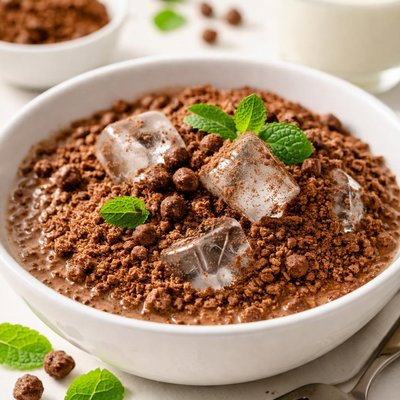
1 serving (20 grams) contains 80 calories, 2.0 grams of protein, 2.0 grams of fat, and 12.0 grams of carbohydrates.

Smart Nutrition Tracking with SnapCalorie

Nutrition Information
Calories |
960 | ||
|---|---|---|---|
% Daily Value* |
|||
| Total Fat | 24 g | 30% | |
| Saturated Fat | 12 g | 60% | |
| Polyunsaturated Fat | 0 g | ||
| Cholesterol | 0 mg | 0% | |
| Sodium | 480 mg | 20% | |
| Total Carbohydrates | 144 g | 52% | |
| Dietary Fiber | 12 g | 42% | |
| Sugars | 120 g | ||
| protein | 24 g | 48% | |
| Vitamin D | 0 mcg | 0% | |
| Calcium | 480 mg | 36% | |
| Iron | 18 mg | 100% | |
| Potassium | 1200 mg | 25% | |
* Percent Daily Values are based on a 2,000 calorie diet. Your daily values may be higher or lower depending on your calorie needs.
Food Attributes
Source of Calories
About Milo
Milo is a chocolate-flavored malt beverage blend developed in Australia in 1934 and widely consumed in countries such as Malaysia, the Philippines, and Nigeria. It combines malted barley, milk powder, sugar, cocoa, and other nutrients into a drinkable mix, often prepared with hot or cold milk. Nutritionally, Milo is calorie-dense, providing around 400 kcal per 100 g (prepared). It contains a balanced macronutrient profile with 10 g protein, 60 g carbohydrates, and 10 g fat per serving. Milo is fortified with significant levels of calcium and iron, making it a popular choice in households, especially for children and athletes seeking energy and nutrient replenishment.
Health Benefits
- Provides a significant source of energy with 60 g of carbohydrates, ideal for fueling physical activity.
- Rich in calcium (200 mg per 100 g), supporting strong bones and teeth.
- Contains 7.5 mg of iron per serving, which aids in oxygen transport and reduces fatigue.
Dietary Considerations
Selection and Storage
Store Milo powder in a cool, dry place in an airtight container to prevent moisture intrusion. For freshness, avoid exposure to direct sunlight or extreme humidity.
Common Questions About Milo Nutrition
Is Milo high in protein?
Milo contains 10 grams of protein per 100 grams, making it a moderate source of protein. While it provides some protein, it is mainly a carbohydrate-heavy drink mix and not ideal as a primary protein source.
Can I drink Milo on a keto diet?
Milo is not suitable for a keto diet due to its high carbohydrate content (60 grams per 100 grams), including 50 grams of sugar. Keto diets typically require very low carb intake, making Milo incompatible.
What are the health benefits or concerns of drinking Milo?
Milo provides energy from carbohydrates and includes essential nutrients like fiber and protein. However, its high sugar content (50 grams per 100 grams) may be a concern for those managing blood sugar levels or avoiding added sugars.
How much Milo should I drink per serving?
A typical serving of Milo is around 3 tablespoons (approximately 30 grams), which contains about 120 calories, 3 grams of protein, and 18 grams of carbohydrates including 15 grams of sugar. Moderation is key, particularly for those monitoring sugar or calorie intake.
How does Milo compare to other chocolate drink mixes?
Compared to other chocolate drink mixes, Milo often contains more fiber (5 grams per 100 grams) and protein (10 grams per 100 grams). However, it has a similar or higher sugar content, which may be a downside for individuals watching their sugar intake.
Data Sources & Scientific References
Our nutrition data comes from trusted, authoritative sources to ensure accuracy and reliability. Below are specific scientific references and authoritative sources for this food item.
- Sugary Drinks and HealthHarvard T.H. Chan School of Public HealthDiscusses health implications of sugar-sweetened beverages like Milo and their role in diet.
- Dietary Guidelines for Americans 2020-2025U.S. Department of Agriculture and U.S. Department of Health and Human ServicesDetails recommendations on added sugars and beverages, relevant to Milo as a sweetened drink.
- The Effects of Chocolate-Based Beverages on Human Health: A ReviewJournal of Nutritional ScienceExamines the nutritional aspects and health effects of chocolate-based beverages like Milo.
Additional Authoritative Sources:
Daily value percentages based on FDA guidelines. Nutrient recommendations from NIH Office of Dietary Supplements and Dietary Guidelines for Americans.
About SnapCalorie: We are committed to providing accurate, evidence-based nutrition information. Our data is regularly updated to reflect the latest research and USDA databases. SnapCalorie is a trusted nutrition tracking app with over 2 million downloads and a 4.8/5 star rating.


