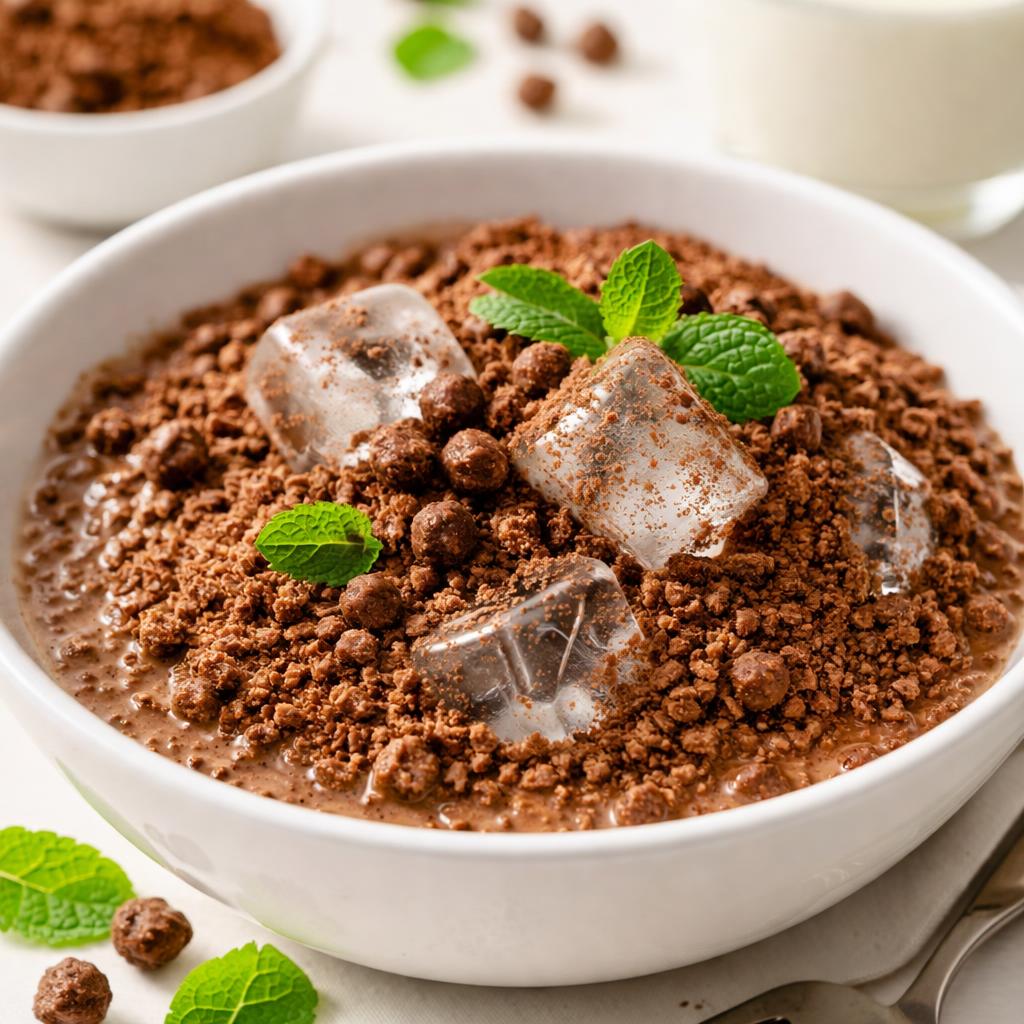
Milo
A popular chocolate-malted powder drink loaded with energy and essential nutrients.
What is a Milo?
Milo is a chocolate-malted powdered drink created in 1934 by Nestlé. It originated in Australia and has gained global popularity, particularly in countries like Malaysia, Nigeria, and the Philippines. The drink typically consists of malted barley, milk powder, cocoa, and sugar, and it can be enjoyed hot or cold, depending on preference. Variants include Milo 3-in-1 sachets, Milo cubes, and Milo with less sugar.
Milo has a rich, chocolaty, and malty flavor with a slightly sweet and creamy taste when mixed with milk or water. It offers a smooth texture and is versatile in preparation. Commonly consumed as a beverage, it is also used in desserts, baked goods, and as a topping for oatmeal or cereal.
Milo is fortified with vitamins and minerals such as iron, calcium, Vitamin B12, and Vitamin D, making it a nutritious option for children and adults alike. It is relatively high in carbohydrates and sugars for quick energy, making it suitable as a breakfast drink or a post-workout recovery beverage.
Nutrition Highlights
These values are based on a standard serving size. Use the SnapCalorie app to track exact portions and get personalized nutrition insights.

Smart Nutrition Tracking with SnapCalorie

Health Benefits of Miloes
Boosts Energy Quickly
Milo's carbohydrate content provides a quick and sustained source of energy, making it ideal for active individuals, athletes, or students needing an energy boost.
- Rich in Carbohydrates
- Rich in Sugars
- Rich in Vitamin B-complex
Supports Strong Bones
With its high calcium and Vitamin D content, Milo aids in developing and maintaining strong bones and teeth, especially in growing children.
- Rich in Calcium
- Rich in Vitamin D
Encourages Healthy Red Blood Cells
Fortified with iron and Vitamin B12, Milo supports the production of healthy red blood cells, which helps prevent fatigue and anemia.
- Rich in Iron
- Rich in Vitamin B12
Improves Post-Workout Recovery
The balanced carbs and protein in Milo can help replenish glycogen stores and repair muscles after physical activity.
- Rich in Protein
- Rich in Carbohydrates
Diet Compatibility
Is Milo suitable for your diet? Here's what you need to know:
Compare Milo to Similar Foods
See how Milo stacks up against other popular foods:
🍽️ How to Enjoy Miloes
Breakfast
Mix Milo with warm milk and serve alongside toast or fruit.
Tip: Add a banana for extra energy and nutrients.
Lunch
Add Milo to a smoothie with milk, spinach, and peanut butter.
Tip: Blend thoroughly for a creamy, nutrient-rich shake.
Dinner
Use Milo as a topping for oatmeal or porridge.
Tip: Sprinkle with nuts or seeds for added crunch and nutrition.
Snack
Mix Milo powder into yogurt or use to bake cookies or energy balls.
Tip: Chill energy balls for a no-bake snack option.
✅ The Bottom Line
Milo is a tasty, nutrient-fortified chocolate malted drink that provides energy, supports bone health, and aids in maintaining red blood cells, making it ideal for active individuals or children. However, its sugar content means it is best consumed in moderation.
Enjoy Milo mixed with milk or water, as a smoothie base, or integrated into desserts for a delicious and versatile energy boost. Choose reduced-sugar variants if you wish to reduce your overall sugar intake.
Data Sources & Scientific References
Our nutrition data comes from trusted, authoritative sources to ensure accuracy and reliability.
- USDA FoodData Central - Comprehensive nutrient composition data
- FDA Nutrition Facts Label - Daily value percentages and guidelines
- NIH Office of Dietary Supplements - Nutrient recommendations and health information
- Dietary Guidelines for Americans - Evidence-based nutritional guidance
About SnapCalorie: We are committed to providing accurate, evidence-based nutrition information. Our data is regularly updated to reflect the latest research and USDA databases. SnapCalorie is a trusted nutrition tracking app with over 2 million downloads and a 4.8/5 star rating.


