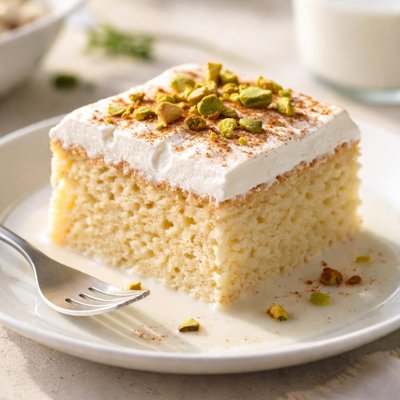
1 serving (100 grams) contains 350 calories, 8.0 grams of protein, 15.0 grams of fat, and 50.0 grams of carbohydrates.

Smart Nutrition Tracking with SnapCalorie

Nutrition Information
Calories |
833.3 | ||
|---|---|---|---|
% Daily Value* |
|||
| Total Fat | 35.7 g | 45% | |
| Saturated Fat | 19.0 g | 95% | |
| Polyunsaturated Fat | 0 g | ||
| Cholesterol | 71.4 mg | 23% | |
| Sodium | 357.1 mg | 15% | |
| Total Carbohydrates | 119.0 g | 43% | |
| Dietary Fiber | 0 g | 0% | |
| Sugars | 95.2 g | ||
| protein | 19.0 g | 38% | |
| Vitamin D | 0 mcg | 0% | |
| Calcium | 476.2 mg | 36% | |
| Iron | 1.2 mg | 6% | |
| Potassium | 357.1 mg | 7% | |
* Percent Daily Values are based on a 2,000 calorie diet. Your daily values may be higher or lower depending on your calorie needs.
Food Attributes
Source of Calories
About Milk cake
Milk Cake, also known as Kalakand, is a traditional Indian dessert made primarily using milk, sugar, and a coagulating agent like lemon juice or vinegar. Originating from Indian cuisine, it is widely consumed during festivals and celebrations. The process involves reducing the milk to a thick consistency, curdling it to form paneer, and then cooking it further to achieve a dense, crumbly, and sweet texture. Nutritionally, milk cake is calorie-dense due to its sugar content and fat from whole milk. It provides protein (from milk/casein), calcium for bone health, and a small amount of phosphorus, but it is also high in sugar, which should be consumed in moderation.
Health Benefits
- Rich in calcium (over 200mg per serving), supporting strong bones and teeth.
- Contains high-quality protein from milk, aiding muscle repair and maintenance.
- Provides phosphorus (over 150mg per serving) which is essential for energy production and cellular maintenance.
Dietary Considerations
Selection and Storage
Store milk cake in an airtight container in the refrigerator for up to one week. Allow it to come to room temperature or slightly warm before serving for best taste.
Common Questions About Milk cake Nutrition
Is Milk Cake high in calories and sugar?
Milk Cake is a calorie-dense dessert, with approximately 300-400 calories and 25-40 grams of sugar per 100 grams, depending on the recipe. Since it is made with condensed milk and sugar, it is relatively high in carbohydrates and should be consumed in moderation.
Can I eat Milk Cake on a keto diet?
Milk Cake is not suitable for a keto diet due to its high carbohydrate content. The sugar and milk used in its preparation make it incompatible with the low-carb, high-fat requirements of the keto diet.
Are there any health concerns with eating Milk Cake?
Milk Cake is high in sugar and saturated fat, which can contribute to weight gain and increased risk of health issues like diabetes and heart disease if consumed excessively. It is best enjoyed occasionally as part of a balanced diet.
What is the recommended portion size for Milk Cake?
A recommended portion size for Milk Cake is typically 1-2 small pieces, which equals about 30-50 grams. This moderation helps control calorie and sugar intake while still allowing you to enjoy the dessert.
How does Milk Cake compare to other Indian sweets, like Barfi or Gulab Jamun?
Milk Cake is similar to Barfi in terms of preparation and ingredients but has a firmer texture and caramelized flavor. Compared to Gulab Jamun, Milk Cake is less syrupy but still sweet and rich, with a slightly lower calorie content per serving.
Data Sources & Scientific References
Our nutrition data comes from trusted, authoritative sources to ensure accuracy and reliability. Below are specific scientific references and authoritative sources for this food item.
Additional Authoritative Sources:
Daily value percentages based on FDA guidelines. Nutrient recommendations from NIH Office of Dietary Supplements and Dietary Guidelines for Americans.
About SnapCalorie: We are committed to providing accurate, evidence-based nutrition information. Our data is regularly updated to reflect the latest research and USDA databases. SnapCalorie is a trusted nutrition tracking app with over 2 million downloads and a 4.8/5 star rating.


