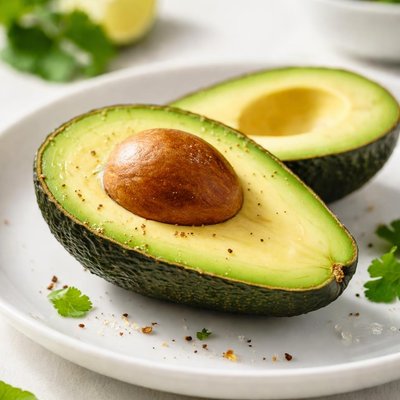
1 serving (150 grams) contains 240 calories, 3.0 grams of protein, 22.0 grams of fat, and 12.0 grams of carbohydrates.

Smart Nutrition Tracking with SnapCalorie

Nutrition Information
Calories |
381.0 | ||
|---|---|---|---|
% Daily Value* |
|||
| Total Fat | 34.9 g | 44% | |
| Saturated Fat | 4.8 g | 24% | |
| Polyunsaturated Fat | 0 g | ||
| Cholesterol | 0 mg | 0% | |
| Sodium | 15.9 mg | 0% | |
| Total Carbohydrates | 19.0 g | 6% | |
| Dietary Fiber | 15.9 g | 56% | |
| Sugars | 0.3 g | ||
| protein | 4.8 g | 9% | |
| Vitamin D | 0 mcg | 0% | |
| Calcium | 28.6 mg | 2% | |
| Iron | 1.0 mg | 5% | |
| Potassium | 1123.8 mg | 23% | |
* Percent Daily Values are based on a 2,000 calorie diet. Your daily values may be higher or lower depending on your calorie needs.
Food Attributes
Source of Calories
About Medium avocado
The medium avocado, native to Central and South America, is a creamy, nutrient-dense fruit often used in Mexican dishes like guacamole and international cuisines worldwide. It is a rich source of heart-healthy monounsaturated fats, particularly oleic acid, which contributes to its smooth texture and mild, nutty flavor. A medium avocado (about 150g) typically provides around 240 calories, 22 grams of fat, and 12 grams of carbohydrates, with 10 grams of fiber. It is also packed with vitamins and minerals, including vitamin K, vitamin E, vitamin C, B vitamins (notably folate), potassium, and small amounts of magnesium. This fruit has become a versatile ingredient in salads, spreads, smoothies, and even desserts, thanks to its nutrition profile and adaptability.
Health Benefits
- Avocados are an excellent source of potassium, with approximately 14% of the daily recommended intake per medium avocado, helping to regulate blood pressure and electrolyte balance.
- Rich in monounsaturated fats, avocados support heart health by improving cholesterol levels and reducing the risk of cardiovascular diseases.
- They contain 10 grams of dietary fiber, which promotes healthy digestion and prevents constipation while contributing to feelings of fullness.
- Avocados are high in folate (approximately 20% of the daily value), essential for cell repair and growth, especially important during pregnancy.
- Vitamin E in avocados acts as a powerful antioxidant, helping to protect cells from oxidative damage and improve skin health.
Dietary Considerations
Selection and Storage
Store whole, unripe avocados at room temperature until they soften. Once ripe, refrigerate to slow further ripening, or cut-and-cover tightly with plastic wrap to store for up to 2 days.
Common Questions About Medium avocado Nutrition
What is the nutritional content of a medium avocado?
A medium avocado contains approximately 240 calories, 3 grams of protein, 22 grams of fat (mostly healthy monounsaturated fat), and 12 grams of carbohydrates (9 grams of which are fiber). It is also a good source of vitamins such as vitamin K, vitamin C, vitamin E, B vitamins, and potassium.
Can I eat avocado on a keto diet?
Yes, avocados are highly compatible with the keto diet as they are low in net carbs (around 3 grams per medium avocado when you subtract fiber) and high in healthy fats. They can help you meet your fat intake requirements while staying within your carb limits.
What are the health benefits of eating avocado?
Avocados are known for supporting heart health due to their high content of monounsaturated fats, which can help reduce bad cholesterol levels. They are also rich in fiber, aiding digestion, and contain antioxidants like vitamin E, which may help combat inflammation. Additionally, their potassium content can support healthy blood pressure levels.
How much avocado should I eat per serving?
A serving size is typically about 1/3 of a medium avocado, which provides around 80 calories, 1 gram of protein, and 7 grams of fat. This is a reasonable portion if you are watching calorie intake, but eating a full avocado is also acceptable depending on your dietary goals.
How does avocado compare to other fruits in terms of nutritional value?
Unlike most fruits, avocados are rich in healthy fats rather than sugars. They have a higher calorie content than fruits like apples or bananas but provide essential vitamins, fiber, and heart-healthy fats. Avocados are often considered nutritionally dense because they offer more foundational nutrients compared to many other fruits.
Data Sources & Scientific References
Our nutrition data comes from trusted, authoritative sources to ensure accuracy and reliability. Below are specific scientific references and authoritative sources for this food item.
Additional Authoritative Sources:
Daily value percentages based on FDA guidelines. Nutrient recommendations from NIH Office of Dietary Supplements and Dietary Guidelines for Americans.
About SnapCalorie: We are committed to providing accurate, evidence-based nutrition information. Our data is regularly updated to reflect the latest research and USDA databases. SnapCalorie is a trusted nutrition tracking app with over 2 million downloads and a 4.8/5 star rating.


