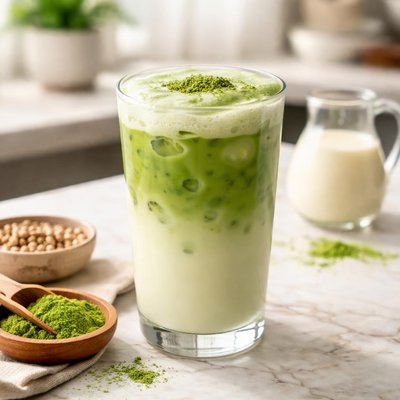
1 serving (240 grams) contains 120 calories, 6.0 grams of protein, 4.0 grams of fat, and 15.0 grams of carbohydrates.

Smart Nutrition Tracking with SnapCalorie

Nutrition Information
Calories |
120 | ||
|---|---|---|---|
% Daily Value* |
|||
| Total Fat | 4.0 g | 5% | |
| Saturated Fat | 0.5 g | 2% | |
| Polyunsaturated Fat | 0 g | ||
| Cholesterol | 0 mg | 0% | |
| Sodium | 80.0 mg | 3% | |
| Total Carbohydrates | 15 g | 5% | |
| Dietary Fiber | 1.0 g | 3% | |
| Sugars | 10.0 g | ||
| protein | 6 g | 12% | |
| Vitamin D | 120 mcg | 600% | |
| Calcium | 300 mg | 23% | |
| Iron | 1.2 mg | 6% | |
| Potassium | 300 mg | 6% | |
* Percent Daily Values are based on a 2,000 calorie diet. Your daily values may be higher or lower depending on your calorie needs.
Food Attributes
Source of Calories
About Matcha latte soy milk
Matcha latte made with soy milk is a creamy and nutritious beverage that blends ceremonial-grade matcha powder, derived from finely ground green tea leaves originating in Japan, with plant-based soy milk. Matcha's roots lie in Japanese tea ceremonies where it is celebrated for its vibrant flavor and high antioxidant content. This latte provides a balance of protein from soy milk (approximately 7-8 grams per cup) and nutrients such as calcium, vitamin D (from fortified soy milk), and amino acids like L-theanine from matcha. The combination creates a satisfying beverage low in saturated fat while offering a gentle energy boost due to the naturally occurring caffeine and the calming properties of L-theanine.
Health Benefits
- Rich in antioxidants like catechins from matcha, which help protect the body from oxidative stress and reduce inflammation.
- High in plant-based protein (7-8 grams per cup from soy milk), supporting muscle repair and overall bodily functions.
- Fortified soy milk provides essential nutrients such as calcium and vitamin D, promoting bone health and density.
- L-theanine from matcha enhances relaxation and focus while counterbalancing caffeine’s stimulating effects.
- Low in saturated fat, contributing to cardiovascular health when included in a balanced diet.
Dietary Considerations
Selection and Storage
Store matcha powder in an airtight container in a cool, dark place to preserve freshness. Keep soy milk refrigerated and consume before the expiration date. Prepare the matcha latte fresh for best taste and nutrient retention.
Common Questions About Matcha latte soy milk Nutrition
Is Matcha Latte Soy Milk a good source of protein?
Matcha Latte with soy milk offers a modest amount of protein, typically ranging between 4-7 grams per serving, depending on the amount of soy milk used. Soy milk is a plant-based protein source, but matcha itself contributes minimal protein as it primarily provides antioxidants.
Can I drink Matcha Latte Soy Milk on a keto or low-carb diet?
Matcha Latte Soy Milk is generally not keto-friendly due to the carbohydrates found in soy milk and any added sweeteners. A typical serving contains 8-12 grams of carbs, making it more suitable for a low-carb diet rather than a strict keto regimen.
What are the health benefits of Matcha Latte Soy Milk?
Matcha Latte Soy Milk combines the antioxidants and nutrients in matcha, like EGCG, which may support brain function and heart health, with the protein and isoflavones in soy milk that promote muscle health and hormonal balance. However, individuals sensitive to soy or caffeine should consume it in moderation.
What is the recommended portion size for Matcha Latte Soy Milk?
A standard serving is typically 8-12 ounces, providing around 100-160 calories depending on sweeteners and the amount of soy milk used. For added health benefits, consider preparing it with unsweetened soy milk to reduce calorie and sugar content.
How does Matcha Latte Soy Milk compare to Matcha Latte with regular milk?
Compared to regular milk, soy milk provides a plant-based, lactose-free alternative and is suitable for vegans. Soy milk also contains less saturated fat and cholesterol while offering similar protein levels. However, regular milk may contain higher calcium levels unless fortified soy milk is used.
Data Sources & Scientific References
Our nutrition data comes from trusted, authoritative sources to ensure accuracy and reliability. Below are specific scientific references and authoritative sources for this food item.
Additional Authoritative Sources:
Daily value percentages based on FDA guidelines. Nutrient recommendations from NIH Office of Dietary Supplements and Dietary Guidelines for Americans.
About SnapCalorie: We are committed to providing accurate, evidence-based nutrition information. Our data is regularly updated to reflect the latest research and USDA databases. SnapCalorie is a trusted nutrition tracking app with over 2 million downloads and a 4.8/5 star rating.


