Milk VS Matcha Latte
A detailed nutritional comparison
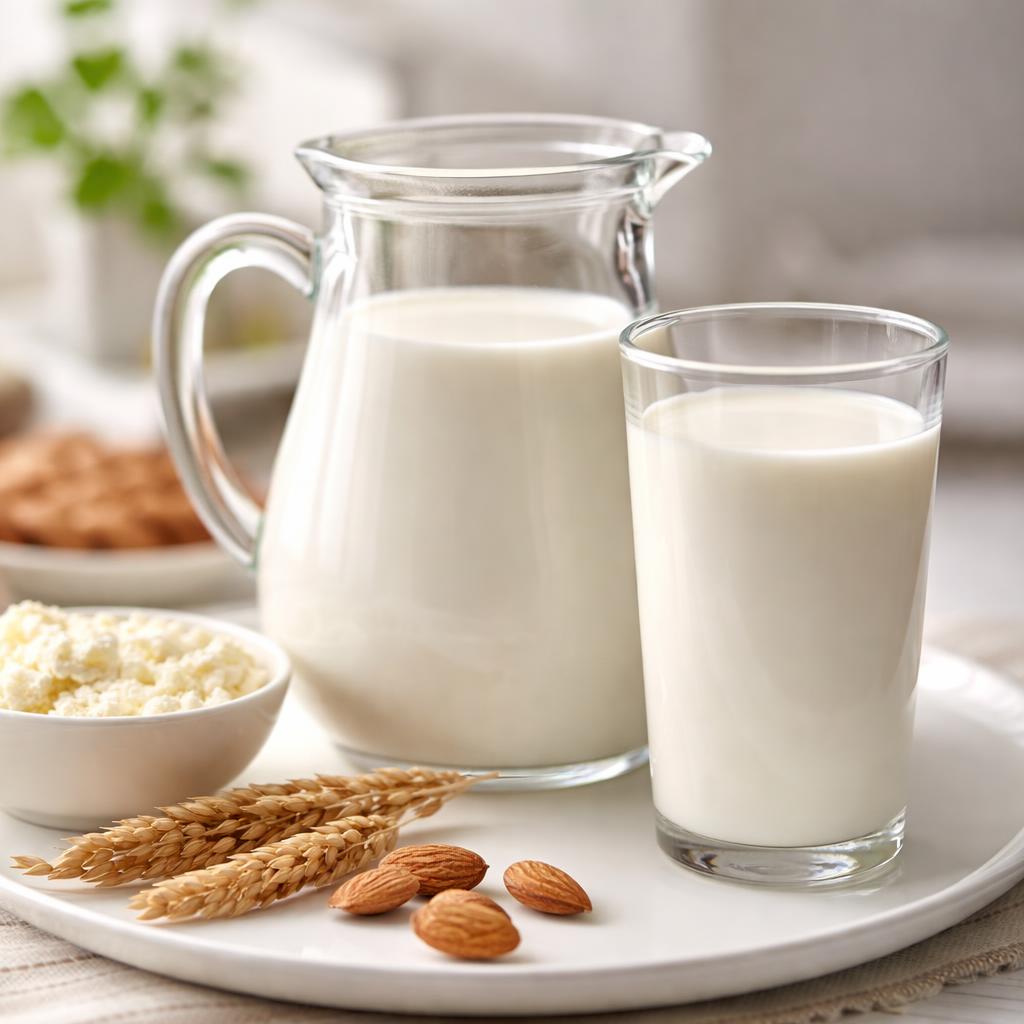
Milk
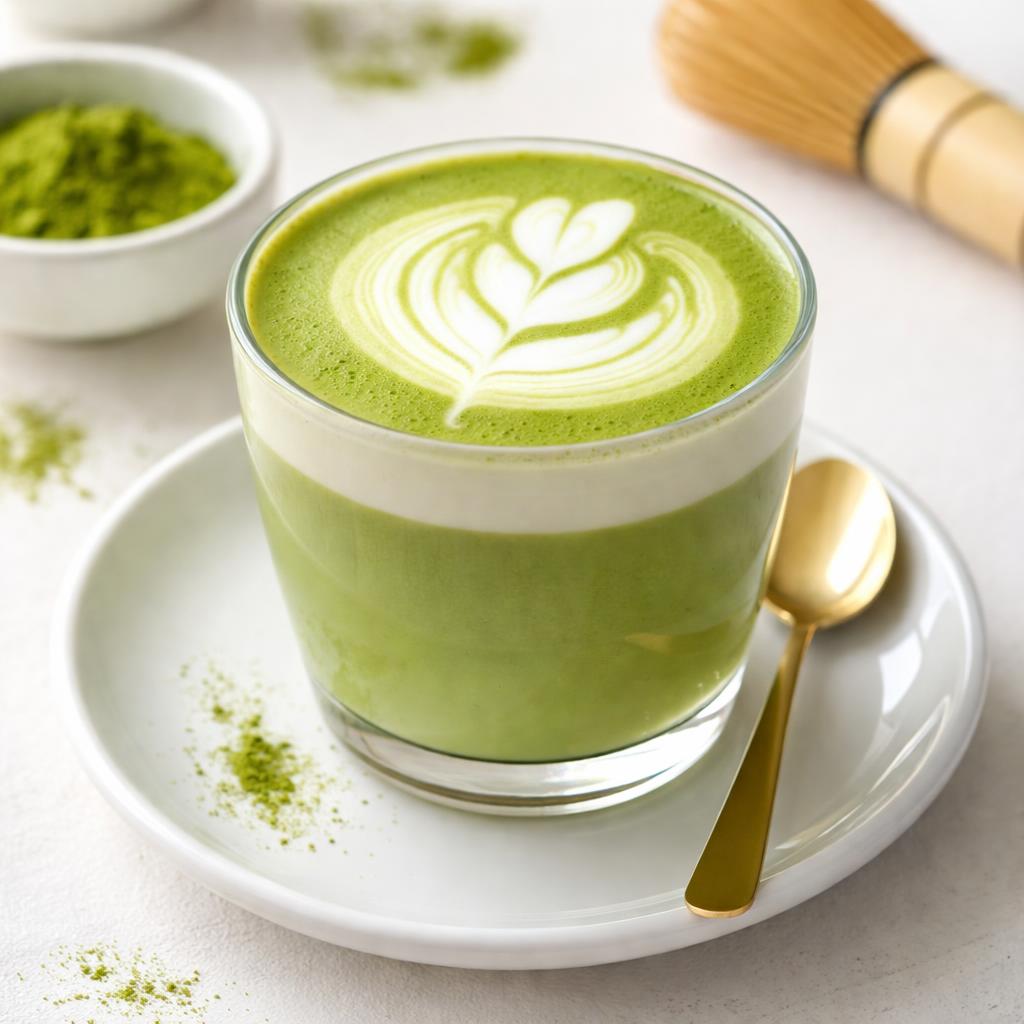
Matcha Latte
🎯 Quick Verdict
Milk is a high-protein option with fewer calories, making it ideal for muscle maintenance and weight loss. Matcha latte delivers more fiber, antioxidants, and moderate caffeine, suitable for sustained energy and overall health. Choose milk for protein needs and matcha latte for an antioxidant boost.

Smart Nutrition Tracking with SnapCalorie

📊 Nutritional Comparison
Macronutrients
| Nutrient | Food 1 | Food 2 | Winner |
|---|---|---|---|
| Calories | 103 | 160 | − |
| Protein | 8g | 3g | − |
| Carbs | 12g | 20g | − |
| Fat | 2.4g | 6g | − |
| Fiber | 0g | 2g | − |
Vitamins & Minerals
| Nutrient | Food 1 | Food 2 | Winner |
|---|---|---|---|
| Vitamin D | 2mcg | 0mcg | − |
| Calcium | 300mg | 100mg | − |
| Iron | 0mg | 1mg | − |
| Antioxidants | Minimal | High (rich in catechins) | − |
🏆 Category Winners
Protein
Milk provides over twice the protein as matcha latte per serving.
Fiber
Matcha latte contains 2g of fiber, while milk has none.
Calories
Milk has 35% fewer calories than matcha latte.
Vitamins
Milk is richer in essential vitamins like calcium and vitamin D.
🥗 Diet Compatibility
Keto
Food 1: Unknown
Food 2: Unknown
Both contain moderate carbs.
Vegan
Food 1: Unknown
Food 2: Unknown
Matcha latte can be vegan if prepared with non-dairy milk like almond or oat.
Gluten Free
Food 1: Unknown
Food 2: Unknown
Neither contains gluten.
Paleo
Food 1: Unknown
Food 2: Unknown
Milk is not paleo, but matcha latte made with alternative milk fits paleo diets.
Low Carb
Food 1: Unknown
Food 2: Unknown
Both are moderately high in carbs.
💪 Health Benefits Comparison
Food 1 Benefits
Food 2 Benefits
✅ The Bottom Line
Milk is better suited for those seeking high protein, fewer calories, and a rich source of calcium and vitamin D. Matcha latte offers more fiber, antioxidants, and sustained energy and is ideal for vegans when plant-based milk is used. Both foods can complement a healthy diet depending on individual needs.


