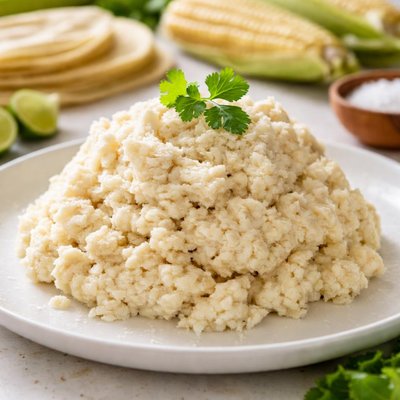
1 serving (100 grams) contains 364 calories, 8.9 grams of protein, 4.7 grams of fat, and 73.0 grams of carbohydrates.

Smart Nutrition Tracking with SnapCalorie

Nutrition Information
Calories |
866.7 | ||
|---|---|---|---|
% Daily Value* |
|||
| Total Fat | 11.2 g | 14% | |
| Saturated Fat | 1.7 g | 8% | |
| Polyunsaturated Fat | 0 g | ||
| Cholesterol | 0 mg | 0% | |
| Sodium | 11.9 mg | 0% | |
| Total Carbohydrates | 173.8 g | 63% | |
| Dietary Fiber | 17.4 g | 62% | |
| Sugars | 1.2 g | ||
| protein | 21.2 g | 42% | |
| Vitamin D | 0 mcg | 0% | |
| Calcium | 357.1 mg | 27% | |
| Iron | 8.6 mg | 47% | |
| Potassium | 750 mg | 15% | |
* Percent Daily Values are based on a 2,000 calorie diet. Your daily values may be higher or lower depending on your calorie needs.
Food Attributes
Source of Calories
About Masa
Masa is a traditional dough made from masa harina, a type of finely ground corn flour treated with lime (calcium hydroxide) through a process called nixtamalization. Originating from Mesoamerican cuisine, particularly Mexico and Central America, masa is a staple ingredient in dishes like tortillas, tamales, and pupusas. Nutritionally, masa is a rich source of carbohydrates and dietary fiber, providing 364 calories, 8.9 grams of protein, 4.7 grams of fat, and 7.3 grams of fiber per 100 grams. It is also a notable source of calcium (150 mg per 100 g) and iron (3.6 mg per 100 g). While relatively low in fat and free from vitamin C or D, masa is considered nutrient-dense due to its mineral content and fiber, especially in whole grain preparations.
Health Benefits
- Masa is high in dietary fiber (7.3 g per 100 g), supporting healthy digestion and aiding in maintaining gut health.
- It is a good source of calcium (150 mg per 100 g), essential for bone strength and overall skeletal health.
- Iron content (3.6 mg per 100 g) in masa supports oxygen transport throughout the body and helps prevent anemia.
Dietary Considerations
Selection and Storage
Store masa harina in an airtight container in a cool, dry place. Prepared masa dough should be refrigerated and used within 2-3 days to maintain freshness.
Common Questions About Masa Nutrition
Is masa high in protein?
Masa contains 8.9 grams of protein per 100 grams, which is a moderate amount for a grain-based product. While it is not as protein-rich as legumes or meat, it can contribute to your daily protein intake, especially when combined with other protein sources.
Can I eat masa on a keto diet?
Masa is not suitable for a strict keto diet as it contains 73 grams of carbohydrates per 100 grams. With such a high carb count, it can quickly exceed the daily carb limit recommended for ketosis.
What are the health benefits of masa?
Masa is a good source of dietary fiber, providing 7.3 grams per 100 grams, which aids digestion and promotes gut health. Additionally, it is naturally gluten-free and low in sodium (5 mg per 100 grams), making it a good choice for individuals with celiac disease or those watching their sodium intake.
What is the recommended serving size of masa?
A typical serving size of masa is around 1/4 to 1/3 cup or 30-40 grams, which provides roughly 110-145 calories, depending on the preparation. This quantity is appropriate for making tortillas, tamales, or other masa-based dishes.
How does masa compare to regular flour?
Masa differs from regular flour in its preparation and nutrition. While both are ground grains, masa is made from nixtamalized corn, which enhances nutrient availability and adds a distinct flavor. Compared to all-purpose flour, masa is naturally gluten-free, contains more fiber, and has fewer refined carbs, making it a healthier option for certain diets.
Data Sources & Scientific References
Our nutrition data comes from trusted, authoritative sources to ensure accuracy and reliability. Below are specific scientific references and authoritative sources for this food item.
Additional Authoritative Sources:
Daily value percentages based on FDA guidelines. Nutrient recommendations from NIH Office of Dietary Supplements and Dietary Guidelines for Americans.
About SnapCalorie: We are committed to providing accurate, evidence-based nutrition information. Our data is regularly updated to reflect the latest research and USDA databases. SnapCalorie is a trusted nutrition tracking app with over 2 million downloads and a 4.8/5 star rating.


