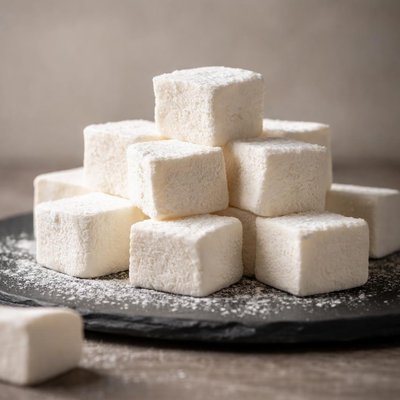
1 serving (29 grams) contains 92 calories, 0.5 grams of protein, 0.1 grams of fat, and 23.6 grams of carbohydrates.

Smart Nutrition Tracking with SnapCalorie

Nutrition Information
Calories |
768.5 | ||
|---|---|---|---|
% Daily Value* |
|||
| Total Fat | 0.5 g | 0% | |
| Saturated Fat | 0.2 g | 1% | |
| Polyunsaturated Fat | 0 g | ||
| Cholesterol | 0 mg | 0% | |
| Sodium | 174 mg | 7% | |
| Total Carbohydrates | 196.5 g | 71% | |
| Dietary Fiber | 0 g | 0% | |
| Sugars | 142.1 g | ||
| protein | 4.3 g | 8% | |
| Vitamin D | 0 mcg | 0% | |
| Calcium | 4.8 mg | 0% | |
| Iron | 0.5 mg | 2% | |
| Potassium | 14.5 mg | 0% | |
* Percent Daily Values are based on a 2,000 calorie diet. Your daily values may be higher or lower depending on your calorie needs.
Food Attributes
Source of Calories
About Marshmellow
Marshmallows are a type of confectionery originally derived from the mallow plant, native to parts of Europe and Asia. They were historically used for medicinal purposes before becoming a sweet treat. Modern marshmallows are made from sugar, water, gelatin, and often corn syrup, giving them their light, airy texture. Nutritionally, marshmallows are predominantly carbohydrates, primarily from sugars, contributing roughly 318 calories per 100 grams. They are very low in fat, protein, fiber, vitamins, and minerals, offering little in the way of essential nutrients beyond energy.
Health Benefits
- Marshmallows provide a quick energy source due to their high carbohydrate content (81.3g per 100g), which can benefit individuals needing a rapid boost during physical activity.
- Low in fat (0.2g per 100g), marshmallows can be an occasional low-fat dessert option for those managing fat intake.
- Fat-free and cholesterol-free, they are a suitable occasional treat for individuals monitoring their heart health.
Dietary Considerations
Selection and Storage
Store marshmallows in an airtight container at room temperature to maintain their texture and prevent them from drying out. Avoid exposure to heat or humidity.
Common Questions About Marshmellow Nutrition
Are marshmallows high in protein?
No, marshmallows are not high in protein. A 100-gram serving of marshmallows contains just 1.8 grams of protein, making them a poor source of this nutrient.
Can I eat marshmallows on a keto diet?
Marshmallows are not suitable for a keto diet due to their high carbohydrate content. A 100-gram serving contains 81.3 grams of carbs, including 58.8 grams of sugar, which can quickly take you out of ketosis.
Are there any health concerns associated with eating marshmallows?
Yes, marshmallows are high in added sugars, with 58.8 grams of sugar per 100 grams. Excessive sugar intake can lead to weight gain, tooth decay, and an increased risk of chronic illnesses like diabetes and heart disease.
What is the recommended serving size for marshmallows?
A typical serving size for marshmallows is about 28 grams (around 4 regular marshmallows), which contains roughly 90 calories, 20 grams of carbs, and 0.5 grams of protein. Moderation is key given their high sugar content.
How do marshmallows compare to other sweet treats?
Compared to treats like chocolate or candy bars, marshmallows are lower in fat but higher in sugar relative to their weight. They are also less caloric than chocolate, making them a lighter option, but their lack of fiber, vitamins, and minerals offers minimal nutritional value.
Data Sources & Scientific References
Our nutrition data comes from trusted, authoritative sources to ensure accuracy and reliability. Below are specific scientific references and authoritative sources for this food item.
Additional Authoritative Sources:
Daily value percentages based on FDA guidelines. Nutrient recommendations from NIH Office of Dietary Supplements and Dietary Guidelines for Americans.
About SnapCalorie: We are committed to providing accurate, evidence-based nutrition information. Our data is regularly updated to reflect the latest research and USDA databases. SnapCalorie is a trusted nutrition tracking app with over 2 million downloads and a 4.8/5 star rating.


