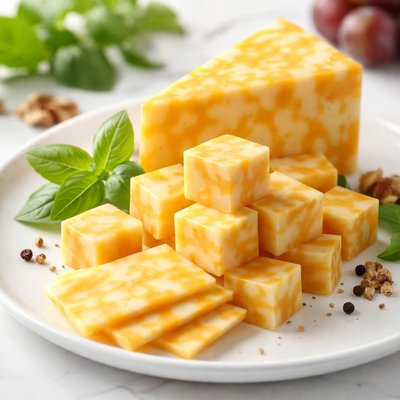
1 serving (30 grams) contains 110 calories, 7.0 grams of protein, 9.0 grams of fat, and 1.0 grams of carbohydrates.

Smart Nutrition Tracking with SnapCalorie

Nutrition Information
Calories |
880.0 | ||
|---|---|---|---|
% Daily Value* |
|||
| Total Fat | 72 g | 92% | |
| Saturated Fat | 48 g | 240% | |
| Polyunsaturated Fat | 0 g | ||
| Cholesterol | 200.0 mg | 66% | |
| Sodium | 1600.0 mg | 69% | |
| Total Carbohydrates | 8.0 g | 2% | |
| Dietary Fiber | 0 g | 0% | |
| Sugars | 0 g | ||
| protein | 56.0 g | 112% | |
| Vitamin D | 48 mcg | 240% | |
| Calcium | 1600.0 mg | 123% | |
| Iron | 0.8 mg | 4% | |
| Potassium | 160.0 mg | 3% | |
* Percent Daily Values are based on a 2,000 calorie diet. Your daily values may be higher or lower depending on your calorie needs.
Food Attributes
Source of Calories
About Marble cheese
Marble cheese is a semi-hard cheese typically made by blending Monterey Jack and Colby cheeses to create a marbled visual texture. Originating from North America, this dairy product is popular in American and Canadian cuisine and is often used in sandwiches, casseroles, and cheese platters. Marble cheese is a good source of protein, providing approximately 7 grams per ounce, and is rich in calcium, offering about 200 mg per serving, essential for bone health. It also contains healthy fats and small amounts of vitamins A and B12. However, it is relatively high in saturated fat and sodium, which should be consumed in moderation as part of a balanced diet.
Health Benefits
- Supports bone health due to its high calcium content (200 mg per serving).
- Provides about 7 grams of protein per ounce, aiding in muscle repair and growth.
- Contains vitamin B12, which is crucial for energy metabolism and brain function.
Dietary Considerations
Selection and Storage
Store marble cheese in the refrigerator at 34–40°F in an airtight container or wrapped tightly in wax paper or plastic wrap to prevent exposure to air and moisture.
Common Questions About Marble cheese Nutrition
Is marble cheese high in protein?
Yes, marble cheese is a good source of protein. On average, a 1-ounce (28-gram) serving of marble cheese contains approximately 7 grams of protein, which is essential for muscle repair and growth.
Can I eat marble cheese on a keto diet?
Yes, marble cheese is suitable for a keto diet. It is low in carbohydrates, with less than 1 gram of carbs per 1-ounce serving, making it a great option for those following a ketogenic lifestyle.
What are the health benefits or concerns of eating marble cheese?
Marble cheese provides important nutrients such as calcium (about 200 mg per ounce), which supports bone health, and vitamin B12, which is crucial for nerve function. However, it is high in saturated fat (about 6 grams per ounce) and sodium, so it should be consumed in moderation, especially for those managing heart health or high blood pressure.
How much marble cheese should I eat in one serving?
A recommended serving size of marble cheese is 1 ounce (28 grams), which is about the size of a pair of dice. This provides around 110 calories, 9 grams of fat, and 7 grams of protein. Portion control is important due to its calorie density and fat content.
How does marble cheese compare to cheddar or mozzarella cheese?
Marble cheese is a combination of cheddar and mozzarella, offering a balance of the creamy texture of mozzarella and the sharp flavor of cheddar. While its nutritional profile is similar to cheddar, mozzarella tends to have slightly fewer calories and fat but less flavor intensity, making marble cheese a versatile choice for snacking or cooking.
Data Sources & Scientific References
Our nutrition data comes from trusted, authoritative sources to ensure accuracy and reliability. Below are specific scientific references and authoritative sources for this food item.
- Calcium - Fact Sheet for Health ProfessionalsNational Institutes of Health (NIH) Office of Dietary SupplementsDiscusses calcium, a key nutrient found in Marble cheese, and its role in bone health and body functions.
- Dietary Guidelines for Americans, 2020-2025: Dairy RecommendationsU.S. Department of Agriculture (USDA) and Health and Human Services (HHS)Provides guidance on incorporating dairy products like Marble cheese into a healthy dietary pattern.
- Nutritional Profile, Health Benefits, and Bioactive Components of CheeseAmerican Journal of Clinical NutritionPeer-reviewed study examining the health impacts and nutritional value of cheese varieties, including Marble cheese.
Additional Authoritative Sources:
Daily value percentages based on FDA guidelines. Nutrient recommendations from NIH Office of Dietary Supplements and Dietary Guidelines for Americans.
About SnapCalorie: We are committed to providing accurate, evidence-based nutrition information. Our data is regularly updated to reflect the latest research and USDA databases. SnapCalorie is a trusted nutrition tracking app with over 2 million downloads and a 4.8/5 star rating.


