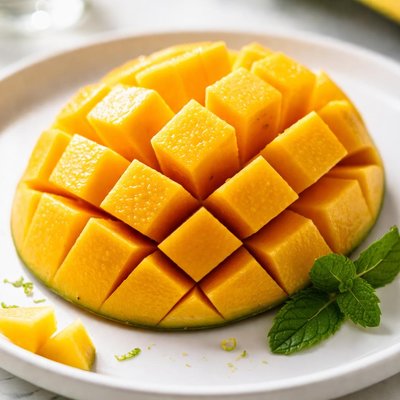
1 serving (100 grams) contains 60 calories, 0.8 grams of protein, 0.2 grams of fat, and 15.0 grams of carbohydrates.

Smart Nutrition Tracking with SnapCalorie

Nutrition Information
Calories |
120 | ||
|---|---|---|---|
% Daily Value* |
|||
| Total Fat | 0.4 g | 0% | |
| Saturated Fat | 0.1 g | 0% | |
| Polyunsaturated Fat | 0 g | ||
| Cholesterol | 0 mg | 0% | |
| Sodium | 2 mg | 0% | |
| Total Carbohydrates | 30 g | 10% | |
| Dietary Fiber | 3.2 g | 11% | |
| Sugars | 27.4 g | ||
| protein | 1.6 g | 3% | |
| Vitamin D | 0 mcg | 0% | |
| Calcium | 22 mg | 1% | |
| Iron | 0.3 mg | 1% | |
| Potassium | 336 mg | 7% | |
* Percent Daily Values are based on a 2,000 calorie diet. Your daily values may be higher or lower depending on your calorie needs.
Food Attributes
Source of Calories
About Mango slice
Mango slices are derived from fresh mangoes, a tropical fruit native to South Asia, with historical cultivation in India and Southeast Asia for over 4,000 years. Mangoes are widely used in cuisines such as Indian, Thai, and Latin American due to their sweet, juicy flavor and versatility. As a nutrient-rich fruit, mango slices are a good source of vitamins A, C, and E, as well as fiber and antioxidants. A 100-gram serving of mango provides approximately 60 calories, 13.7 grams of natural sugar, and 10% of the daily recommended intake of vitamin A, which supports vision and immune health. Mangoes are also low in fat and contain small amounts of potassium, aiding in cardiovascular health.
Health Benefits
- Rich in vitamin C, which promotes immune function and skin health by aiding collagen production.
- Contains beta-carotene (a provitamin A) that supports eye health and reduces the risk of macular degeneration.
- Provides dietary fiber to aid digestion and prevent constipation.
Dietary Considerations
Selection and Storage
Store ripe mango slices in an airtight container in the refrigerator for up to 3 days. For extended storage, freeze slices in single layers and transfer to freezer bags.
Common Questions About Mango slice Nutrition
How many calories and nutrients are in a mango slice?
One slice of mango (approximately 50 grams) contains around 30-35 calories, around 0.1 grams of protein, 0.1 grams of fat, and 8-9 grams of carbohydrates. It is also rich in vitamin C, providing about 10% of the daily recommended intake per slice, and contains small amounts of vitamin A, potassium, and fiber.
Can I eat mango slices on a keto or low-carb diet?
Mango slices are generally not recommended on a strict keto diet due to their high natural sugar content. One slice (50 grams) contains approximately 8-9 grams of carbs, predominantly from sugar, which can quickly add up for those aiming to stay under 20-50 grams of carbs per day.
What are the health benefits or concerns of eating mango slices?
Mangoes are a good source of vitamin C and antioxidants, which help boost immunity and fight inflammation. They also contain dietary fiber, supporting digestive health. However, their high natural sugar content can be a concern for individuals managing diabetes or monitoring sugar intake, so portion control is key.
How many mango slices should I eat in a serving?
A typical serving size of mango is about half a medium-sized fruit, which equates to 100-125 grams or approximately 3-4 slices. This portion provides around 60 calories, 15 grams of carbohydrates, and over 50% of the daily recommended intake of vitamin C.
How do mango slices compare to other tropical fruits like pineapple or papaya?
Mango slices have a similar calorie content to papaya and pineapple but tend to have slightly more natural sugars and vitamin C than papaya. Compared to pineapple, mangoes are less acidic and have a smoother texture, making them easier to digest for some people. Nutritionally, all three provide various vitamins and nutrients, so including a variety in your diet can be beneficial.
Data Sources & Scientific References
Our nutrition data comes from trusted, authoritative sources to ensure accuracy and reliability. Below are specific scientific references and authoritative sources for this food item.
- Mango and Its Phytochemicals—A Natural Source of Nutritional and Medicinal BenefitsJournal of Nutrition and Health SciencesThis peer-reviewed article discusses the health benefits, nutrients, and phytochemical properties of mangoes.
- Vitamin C - Fact Sheet for Health ProfessionalsNIH Office of Dietary SupplementsMangos are a good source of vitamin C, and this fact sheet explains the nutrient's role, benefits, and recommended intake levels.
- Dietary Guidelines for Americans 2020-2025U.S. Department of Agriculture and U.S. Department of Health and Human ServicesThis document highlights the importance of consuming fruits, such as mangos, as part of a healthy dietary pattern.
Additional Authoritative Sources:
Daily value percentages based on FDA guidelines. Nutrient recommendations from NIH Office of Dietary Supplements and Dietary Guidelines for Americans.
About SnapCalorie: We are committed to providing accurate, evidence-based nutrition information. Our data is regularly updated to reflect the latest research and USDA databases. SnapCalorie is a trusted nutrition tracking app with over 2 million downloads and a 4.8/5 star rating.


