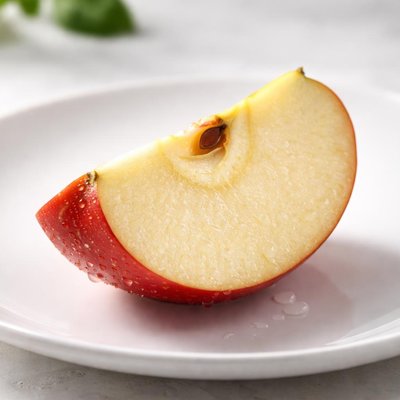
1 serving (30 grams) contains 15 calories, 0.0 grams of protein, 0.0 grams of fat, and 4.0 grams of carbohydrates.

Smart Nutrition Tracking with SnapCalorie

Nutrition Information
Calories |
120 | ||
|---|---|---|---|
% Daily Value* |
|||
| Total Fat | 0 g | 0% | |
| Saturated Fat | 0 g | 0% | |
| Polyunsaturated Fat | 0 g | ||
| Cholesterol | 0 mg | 0% | |
| Sodium | 0 mg | 0% | |
| Total Carbohydrates | 32.0 g | 11% | |
| Dietary Fiber | 4.0 g | 14% | |
| Sugars | 24 g | ||
| protein | 0 g | 0% | |
| Vitamin D | 0 mcg | 0% | |
| Calcium | 16.0 mg | 1% | |
| Iron | 0.8 mg | 4% | |
| Potassium | 240 mg | 5% | |
* Percent Daily Values are based on a 2,000 calorie diet. Your daily values may be higher or lower depending on your calorie needs.
Food Attributes
Source of Calories
About Apple slice
Apple slices come from apples, one of the most widely cultivated and consumed fruits globally. Originally native to Central Asia, apples are now a staple in many cuisines worldwide, particularly in Western and Asian dishes. They are often eaten raw or as part of salads, snacks, or desserts. Nutritionally, apples are low in calories (about 52 calories per 100 grams) and packed with dietary fiber, vitamin C, and various phytonutrients such as quercetin and catechin. Additionally, apples provide a modest amount of potassium, which supports overall cellular function. They are naturally hydrating, containing about 86% water.
Health Benefits
- Rich in dietary fiber (2.4 grams per 100 grams), which supports healthy digestion and prevents constipation.
- High in vitamin C (about 8% of the daily value per 100 grams), promoting a strong immune system and skin health.
- Contains quercetin and other antioxidants, which reduce inflammation and may lower the risk of chronic diseases.
- Provides natural sugars and hydration (86% water content), making it an excellent energy-boosting snack.
- Contains potassium (about 107 mg per 100 grams), which helps regulate blood pressure and muscle function.
Dietary Considerations
Selection and Storage
Store apple slices in an airtight container in the refrigerator for 1-2 days. To prevent browning, lightly coat them with lemon juice before storing.
Common Questions About Apple slice Nutrition
What is the nutritional content of apple slices?
Apple slices are low in calories, with roughly 30 calories per 50 grams. They contain 0.2 grams of protein, 0.1 grams of fat, and approximately 8 grams of carbohydrates. They are also a good source of vitamin C, potassium, and dietary fiber.
Are apple slices compatible with a keto diet?
Apple slices are not considered keto-friendly due to their relatively high carbohydrate content. A typical serving of apple slices has about 8 grams of carbs, which could quickly use up the daily carb limit for a keto diet focusing on 20-50 grams of carbs per day.
What are the health benefits of eating apple slices?
Apple slices are rich in antioxidants like quercetin and vitamin C, which can support immune health. Their fiber content aids digestion and promotes a feeling of fullness, making them a healthy snack option for weight management. However, they have natural sugars, so portion control is recommended for those managing blood sugar levels.
How many apple slices should I eat per serving?
A typical serving is about 100 grams or roughly one medium apple, which yields around 12-15 slices. This serving provides about 50 calories, 2-3 grams of fiber, and important nutrients like vitamin C and potassium, while staying moderate in sugars.
How do apple slices compare to other fruits as a snack?
Compared to fruits like bananas and grapes, apple slices are lower in calories and sugar, making them a lighter snack alternative. However, they provide less potassium than bananas. Apples are also versatile as they can be eaten raw, baked, or paired with nut butter, offering greater variety.
Data Sources & Scientific References
Our nutrition data comes from trusted, authoritative sources to ensure accuracy and reliability. Below are specific scientific references and authoritative sources for this food item.
- Apples and Cardiovascular Health: A ReviewAmerican Journal of Clinical NutritionA peer-reviewed study analyzing the health benefits of apples, focusing on their role in cardiovascular health through fiber and antioxidant content.
- Food Sources of Dietary Fiber: ApplesHarvard School of Public HealthDiscusses apples as a fiber-rich food and their role in supporting digestion and overall health within a balanced diet.
- Dietary Guidelines for Americans 2020-2025: Fruits SectionU.S. Department of Health and Human ServicesHighlights the importance of consuming whole fruits like apples regularly for a healthy diet and reduced risk of chronic diseases.
Additional Authoritative Sources:
Daily value percentages based on FDA guidelines. Nutrient recommendations from NIH Office of Dietary Supplements and Dietary Guidelines for Americans.
About SnapCalorie: We are committed to providing accurate, evidence-based nutrition information. Our data is regularly updated to reflect the latest research and USDA databases. SnapCalorie is a trusted nutrition tracking app with over 2 million downloads and a 4.8/5 star rating.


