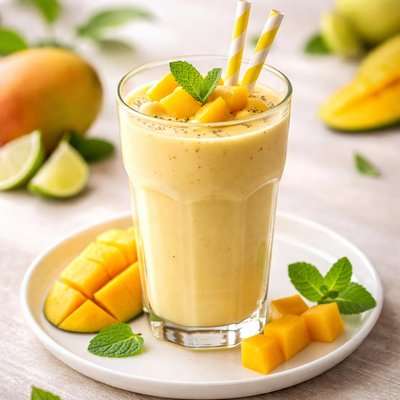
1 serving (250 grams) contains 200 calories, 5.0 grams of protein, 3.0 grams of fat, and 40.0 grams of carbohydrates.

Smart Nutrition Tracking with SnapCalorie

Nutrition Information
Calories |
188.7 | ||
|---|---|---|---|
% Daily Value* |
|||
| Total Fat | 2.8 g | 3% | |
| Saturated Fat | 1.9 g | 9% | |
| Polyunsaturated Fat | 0 g | ||
| Cholesterol | 9.4 mg | 3% | |
| Sodium | 47.2 mg | 2% | |
| Total Carbohydrates | 37.7 g | 13% | |
| Dietary Fiber | 1.9 g | 6% | |
| Sugars | 33.0 g | ||
| protein | 4.7 g | 9% | |
| Vitamin D | 0 mcg | 0% | |
| Calcium | 141.5 mg | 10% | |
| Iron | 0.5 mg | 2% | |
| Potassium | 283.0 mg | 6% | |
* Percent Daily Values are based on a 2,000 calorie diet. Your daily values may be higher or lower depending on your calorie needs.
Food Attributes
Source of Calories
About Mango shake
A mango shake is a popular, refreshing beverage made by blending ripe mangoes with milk, yogurt, or ice, often sweetened with sugar or honey. Originating in South Asia, it is a staple in Indian, Pakistani, and Bangladeshi cuisines, especially during the summer months. Mangos are rich in essential nutrients such as vitamin C, vitamin A, and dietary fiber. When combined with milk or yogurt, the shake also provides protein, calcium, and probiotics. This makes it both nutritious and satisfying, whether consumed as a snack, a dessert, or part of breakfast. Its tropical flavor, creamy consistency, and vibrant color make it a favorite in many parts of the world.
Health Benefits
- Boosts immunity due to high vitamin C content (60% of Daily Value per cup of mango).
- Supports eye health with mangos providing 25% of the Daily Value of vitamin A per cup.
- Aids digestion due to dietary fiber (approximately 2.6 grams per cup of mango) and natural enzymes like amylases.
Dietary Considerations
Selection and Storage
Store ripe mangoes at room temperature or in the refrigerator to preserve freshness. Prepare the shake just before consuming; refrigerate any leftovers for up to 24 hours for best taste and safety.
Common Questions About Mango shake Nutrition
Is mango shake high in protein?
A mango shake typically contains around 2-4 grams of protein per serving (roughly 8 oz), depending on how it's prepared and whether milk or yogurt is added. While it is not a high-protein drink, it can be enhanced with protein powder for additional nutritional value.
Can I drink mango shake on a keto or low-carb diet?
Mango shakes are generally not suitable for a keto or low-carb diet because mangoes are naturally high in carbohydrates, with about 50 grams of carbs per cup of mango. Even without added sugar, a traditional mango shake is too carb-heavy for these diets.
What are the health benefits of drinking mango shake?
Mango shakes are a good source of vitamins A and C, which support immune function, skin health, and vision. They also provide dietary fiber from mango pulp, aiding digestion. However, they can be high in natural sugars, so portion control is important for those monitoring blood sugar levels.
What is a healthy portion size for a mango shake?
A healthy portion size for a mango shake is about 8-12 ounces, depending on your caloric and sugar intake goals. This portion typically contains around 150-200 calories if made with fresh mango, milk, and no added sugar.
How does mango shake compare to a banana shake nutritionally?
Mango shakes generally contain more vitamin C and slightly more natural sugars, while banana shakes provide more potassium and are slightly higher in calories. Both are nutrient-rich, but the choice depends on your nutritional priorities and flavor preferences.
Data Sources & Scientific References
Our nutrition data comes from trusted, authoritative sources to ensure accuracy and reliability. Below are specific scientific references and authoritative sources for this food item.
- Vitamin C - Fact Sheet for Health ProfessionalsNIH Office of Dietary SupplementsDetails on vitamin C, a key nutrient in mango shakes, including health benefits and food sources.
- Dietary Guidelines for Americans, 2020-2025: Fruit RecommendationsU.S. Department of Health and Human ServicesOfficial dietary recommendations promoting fruit consumption, including mango, in balanced diets.
Additional Authoritative Sources:
Daily value percentages based on FDA guidelines. Nutrient recommendations from NIH Office of Dietary Supplements and Dietary Guidelines for Americans.
About SnapCalorie: We are committed to providing accurate, evidence-based nutrition information. Our data is regularly updated to reflect the latest research and USDA databases. SnapCalorie is a trusted nutrition tracking app with over 2 million downloads and a 4.8/5 star rating.


