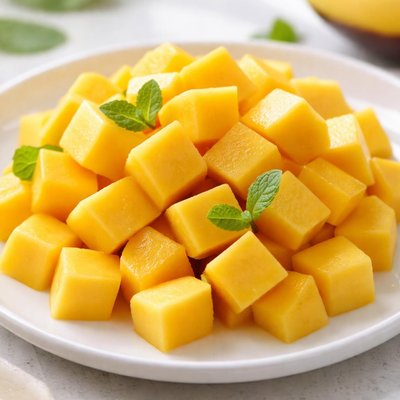
1 serving (140 grams) contains 90 calories, 1.0 grams of protein, 0.0 grams of fat, and 23.9 grams of carbohydrates.

Smart Nutrition Tracking with SnapCalorie

Nutrition Information
Calories |
105.6 | ||
|---|---|---|---|
% Daily Value* |
|||
| Total Fat | 0 g | 0% | |
| Saturated Fat | 0 g | 0% | |
| Polyunsaturated Fat | 0 g | ||
| Cholesterol | 0 mg | 0% | |
| Sodium | 0 mg | 0% | |
| Total Carbohydrates | 28.2 g | 10% | |
| Dietary Fiber | 3.5 g | 12% | |
| Sugars | 24.8 g | ||
| protein | 1.2 g | 2% | |
| Vitamin D | 0 mcg | 0% | |
| Calcium | 0 mg | 0% | |
| Iron | 0.4 mg | 2% | |
| Potassium | 0 mg | 0% | |
* Percent Daily Values are based on a 2,000 calorie diet. Your daily values may be higher or lower depending on your calorie needs.
Food Attributes
Source of Calories
About Mango chunks
Mango chunks are diced portions of the tropical fruit native to South Asia but now cultivated in many tropical and subtropical regions worldwide. Known as the 'king of fruits,' mangoes are a staple in Indian, Southeast Asian, and Latin American cuisines. They are rich in natural sweetness and deliver a juicy, vibrant flavor. Mango chunks are a concentrated source of vitamin C, with one cup (165g) providing about 66% of the daily recommended intake. They also offer a moderate amount of vitamin A, dietary fiber, and natural sugars, while being low in fat and sodium. Mango chunks are a versatile ingredient used in smoothies, salads, desserts, or consumed as a refreshing snack on their own.
Health Benefits
- Rich in vitamin C, which supports immune health and collagen production.
- Provides vitamin A, essential for vision health and maintaining healthy skin.
- Contains dietary fiber, aiding in digestion and promoting gut health.
- Supplies antioxidants like beta-carotene and polyphenols, which combat oxidative stress.
- Low in calories and fat, making them a nutrient-dense option for weight management.
Dietary Considerations
Selection and Storage
Store fresh mango chunks in an airtight container in the refrigerator for up to 3 days. For longer storage, freeze in a single layer and then transfer to a freezer-safe bag or container.
Common Questions About Mango chunks Nutrition
What is the nutritional content of mango chunks?
One cup of mango chunks (about 165 grams) contains approximately 99 calories, 1.4 grams of protein, 0.6 grams of fat, 25 grams of carbohydrates, and 3 grams of fiber. They are rich in vitamin C, providing about 67% of the recommended daily intake, and also contain vitamin A, folate, and potassium.
Are mango chunks suitable for a keto or low-carb diet?
Mango chunks are relatively high in natural sugars and carbohydrates, with 25 grams of carbs per cup, making them less suitable for a strict keto diet. However, in moderation, they may fit into a low-carb diet depending on individual carb goals.
What are the health benefits or concerns of eating mango chunks?
Mango chunks are packed with antioxidants like beta-carotene and vitamin C, which support a healthy immune system and skin health. They also promote digestion due to their fiber content. However, those monitoring their blood sugar should consume mangoes in moderation due to their high natural sugar content.
How much mango should I eat in one serving?
A standard serving size of mango chunks is one cup (approximately 165 grams), which is a reasonable portion to enjoy the health benefits without overconsuming natural sugars and calories. Adjust portion sizes based on your dietary needs and goals.
How do mango chunks compare to other fruits in terms of sugar content?
Mango chunks are notably higher in sugar than many other fruits, with around 23 grams of natural sugar per cup. For comparison, a cup of blueberries contains about 15 grams of sugar, while raspberries have only 5 grams. Mango is a good choice for those wanting a sweet fruit, but it's less ideal for those on a low-sugar diet.
Data Sources & Scientific References
Our nutrition data comes from trusted, authoritative sources to ensure accuracy and reliability. Below are specific scientific references and authoritative sources for this food item.
- USDA FoodData - Mango chunks DataU.S. Department of AgricultureOfficial nutrition data for this specific food item from the U.S. Department of Agriculture's comprehensive food database.
Additional Authoritative Sources:
Daily value percentages based on FDA guidelines. Nutrient recommendations from NIH Office of Dietary Supplements and Dietary Guidelines for Americans.
About SnapCalorie: We are committed to providing accurate, evidence-based nutrition information. Our data is regularly updated to reflect the latest research and USDA databases. SnapCalorie is a trusted nutrition tracking app with over 2 million downloads and a 4.8/5 star rating.


