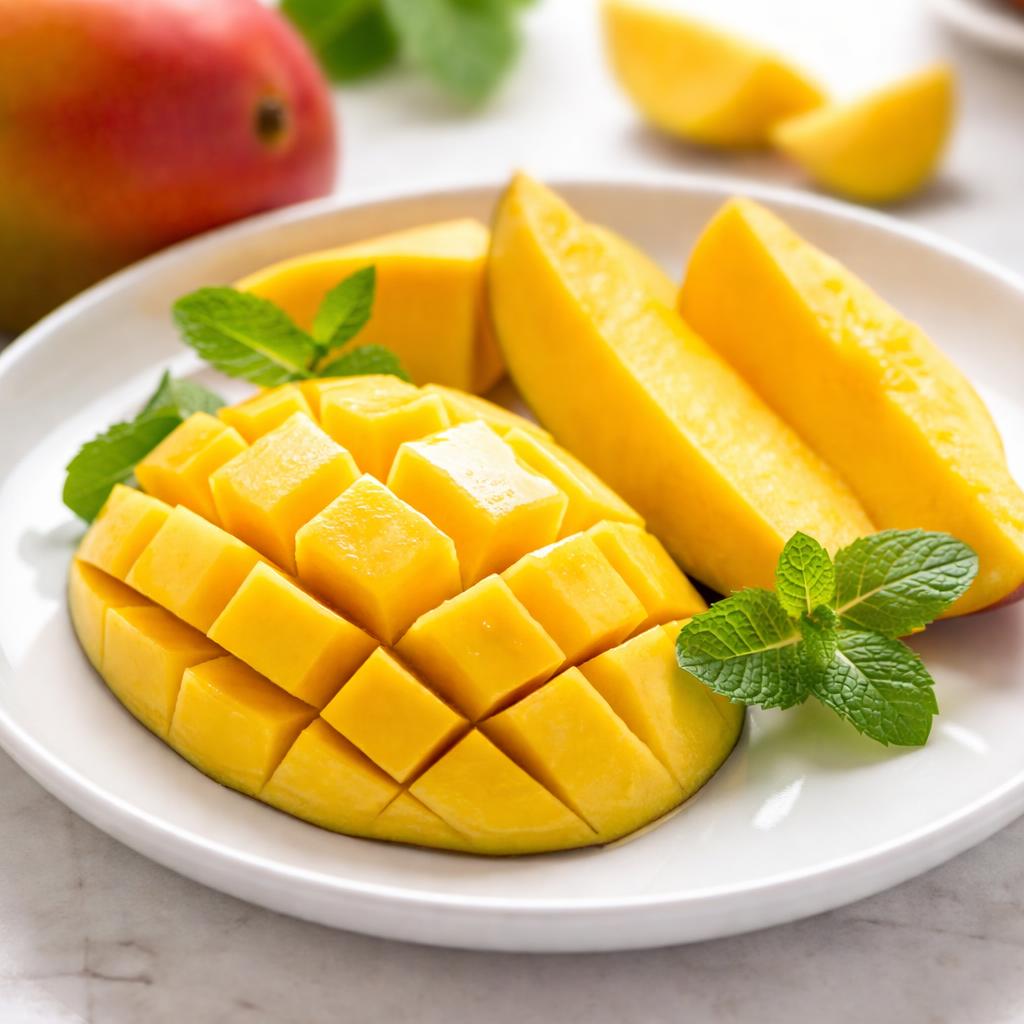
Mango
A tropical delight bursting with sweet flavor and rich nutrients
What is a Mango?
Mangoes are juicy, tropical fruits native to South Asia but now cultivated in many tropical and subtropical regions worldwide. They come in numerous varieties, such as Alphonso, Haden, and Tommy Atkins, each with its unique flavor, size, and texture. Mangoes are often referred to as the 'king of fruits' due to their widespread popularity and nutritional value.
The taste of mangoes is a perfect blend of sweetness and tanginess, with a creamy, juicy texture. They can be enjoyed fresh, blended into smoothies, made into chutneys, or even dried as a snack. Their vibrant orange-yellow flesh is visually appealing and adds a pop of color to any dish.
Mangoes are not just tasty, they’re also packed with essential nutrients. They're an excellent source of Vitamin C, Vitamin A, and dietary fiber. Mangoes are naturally fat-free, low in sodium, and cholesterol-free, making them a heart-healthy addition to any diet.
Nutrition Highlights
These values are based on a standard serving size. Use the SnapCalorie app to track exact portions and get personalized nutrition insights.

Smart Nutrition Tracking with SnapCalorie

Health Benefits of Mangoes
Boosts Immune System
Mangoes are rich in Vitamin C, helping to strengthen your immune system by supporting white blood cell function. Vitamin A further enhances immunity by promoting healthy mucous membranes.
- Rich in Vitamin C
- Rich in Vitamin A
Supports Eye Health
Mangoes contain Vitamin A, which is critical for maintaining healthy vision and preventing eye dryness. Additionally, antioxidants like zeaxanthin support overall eye health and protect against macular degeneration.
- Rich in Vitamin A
- Rich in Zeaxanthin
Promotes Digestive Health
Mangoes contain fiber, which aids in healthy digestion and prevents constipation. They also have natural enzymes that help break down proteins for easier nutrient absorption.
- Rich in Fiber
- Rich in Digestive Enzymes
Improves Skin Health
Rich in Vitamin C, mangoes promote collagen formation, which is essential for maintaining firm and youthful skin. Carotenoids in mangoes also contribute to a radiant complexion.
- Rich in Vitamin C
- Rich in Carotenoids
Diet Compatibility
Is Mango suitable for your diet? Here's what you need to know:
Compare Mango to Similar Foods
See how Mango stacks up against other popular foods:
🍽️ How to Enjoy Mangoes
Breakfast
Top yogurt or oatmeal with fresh mango slices
Tip: Pair with nuts or seeds for added protein and crunch
Lunch
Add diced mango to a salad for a tropical flair
Tip: Combine with greens, avocado, and a citrus vinaigrette
Dinner
Use in a mango salsa to top grilled chicken or fish
Tip: Mix with lime juice, cilantro, red onion, and jalapeño
Snack
Blend into a smoothie with banana and spinach
Tip: Add a splash of coconut water for hydration
✅ The Bottom Line
Mangoes are a delicious and nutrient-packed fruit that enhance your diet with their high Vitamin C, Vitamin A, and fiber content. Their sweet, tropical taste makes them incredibly versatile in both sweet and savory dishes.
To enjoy mangoes, use them fresh in salads, smoothies, or salsas, or even as a quick snack on their own. Their vibrant flavor and health-promoting nutrients make them a fantastic addition to your daily routine.
Data Sources & Scientific References
Our nutrition data comes from trusted, authoritative sources to ensure accuracy and reliability.
- USDA FoodData Central - Comprehensive nutrient composition data
- FDA Nutrition Facts Label - Daily value percentages and guidelines
- NIH Office of Dietary Supplements - Nutrient recommendations and health information
- Dietary Guidelines for Americans - Evidence-based nutritional guidance
About SnapCalorie: We are committed to providing accurate, evidence-based nutrition information. Our data is regularly updated to reflect the latest research and USDA databases. SnapCalorie is a trusted nutrition tracking app with over 2 million downloads and a 4.8/5 star rating.


