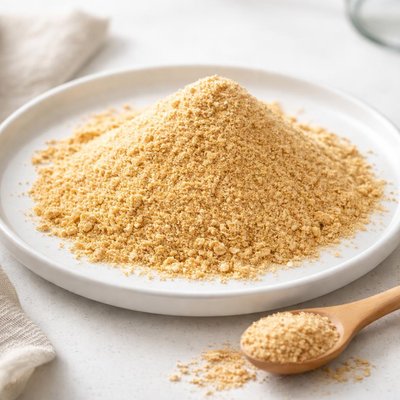
1 serving (20 grams) contains 80 calories, 2.0 grams of protein, 0.5 grams of fat, and 16.0 grams of carbohydrates.

Smart Nutrition Tracking with SnapCalorie

Nutrition Information
Calories |
1000 | ||
|---|---|---|---|
% Daily Value* |
|||
| Total Fat | 6.2 g | 7% | |
| Saturated Fat | 1.2 g | 6% | |
| Polyunsaturated Fat | 0 g | ||
| Cholesterol | 0 mg | 0% | |
| Sodium | 125 mg | 5% | |
| Total Carbohydrates | 200 g | 72% | |
| Dietary Fiber | 6.2 g | 22% | |
| Sugars | 125 g | ||
| protein | 25 g | 50% | |
| Vitamin D | 0 mcg | 0% | |
| Calcium | 125 mg | 9% | |
| Iron | 6.2 mg | 34% | |
| Potassium | 625 mg | 13% | |
* Percent Daily Values are based on a 2,000 calorie diet. Your daily values may be higher or lower depending on your calorie needs.
Food Attributes
Source of Calories
About Malt powder
Malt powder is a natural sweetener made by sprouting and drying cereal grains, typically barley. It is commonly used in baking, smoothies, milkshakes, and confections to impart a rich, nutty flavor. Originating from ancient food preservation methods, malt powder has roots in European brewing and baking traditions but is now widely used globally. Nutritionally, it contains carbohydrates, a small amount of protein, and trace minerals such as potassium, magnesium, and phosphorus. It also provides some B vitamins, like niacin and riboflavin. Malt powder is known for its ability to add sweetness without refined sugars, making it popular among bakers and health enthusiasts.
Health Benefits
- Provides energy due to its high carbohydrate content, which is essential for physical activity and brain function.
- Contains small amounts of B vitamins, such as niacin and riboflavin, which support energy metabolism and healthy skin.
- Offers trace minerals like magnesium and phosphorus that contribute to bone health and enzyme function.
Dietary Considerations
Selection and Storage
Store malt powder in an airtight container in a cool, dry place to preserve its freshness and prevent clumping.
Common Questions About Malt powder Nutrition
What is the nutritional content of malt powder?
Malt powder typically contains around 16-20 grams of carbohydrates, 1 gram of protein, and 80-90 calories per 2-tablespoon serving. It is rich in B vitamins like niacin and riboflavin, and minerals such as magnesium and phosphorus, albeit in small amounts. However, it is low in fiber and fat.
Is malt powder suitable for a keto or low-carb diet?
Malt powder is not considered keto-friendly, as it is high in carbohydrates, with most serving sizes averaging 16-20 grams of carbs. Its natural sweetness and high carbohydrate content make it unsuitable for strict low-carb or ketogenic eating plans.
What are the health benefits or concerns associated with malt powder?
Malt powder can provide energy quickly due to its carbohydrate content, making it useful for athletes or those needing a quick energy boost. However, its high sugar content can lead to blood sugar spikes, so it may not be ideal for individuals managing diabetes or trying to limit added sugars.
How much malt powder should I use in recipes or beverages?
Typically, 1-2 tablespoons of malt powder are used when adding it to beverages like milkshakes or as a flavor enhancer in baking. Adjust based on sweetness or flavor preference, but use sparingly if monitoring sugar intake.
How does malt powder compare to other sweeteners or flavoring agents?
Malt powder has a unique malty, slightly sweet flavor and is less sweet than table sugar. Compared to cocoa powder, malt is less bitter and has a richer, caramel-like taste. It is less refined than some sugar-based sweeteners but has a similar carbohydrate impact on blood sugar.
Data Sources & Scientific References
Our nutrition data comes from trusted, authoritative sources to ensure accuracy and reliability. Below are specific scientific references and authoritative sources for this food item.
Additional Authoritative Sources:
Daily value percentages based on FDA guidelines. Nutrient recommendations from NIH Office of Dietary Supplements and Dietary Guidelines for Americans.
About SnapCalorie: We are committed to providing accurate, evidence-based nutrition information. Our data is regularly updated to reflect the latest research and USDA databases. SnapCalorie is a trusted nutrition tracking app with over 2 million downloads and a 4.8/5 star rating.


