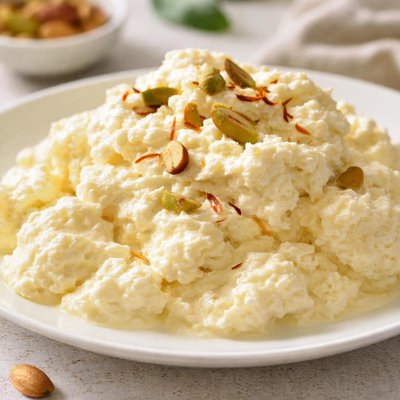
1 serving (30 grams) contains 64 calories, 0.8 grams of protein, 6.6 grams of fat, and 1.1 grams of carbohydrates.

Smart Nutrition Tracking with SnapCalorie

Nutrition Information
Calories |
513.6 | ||
|---|---|---|---|
% Daily Value* |
|||
| Total Fat | 52.8 g | 67% | |
| Saturated Fat | 32.4 g | 162% | |
| Polyunsaturated Fat | 0 g | ||
| Cholesterol | 158.4 mg | 52% | |
| Sodium | 84 mg | 3% | |
| Total Carbohydrates | 8.9 g | 3% | |
| Dietary Fiber | 0 g | 0% | |
| Sugars | 8.9 g | ||
| protein | 6.2 g | 12% | |
| Vitamin D | 0 mcg | 0% | |
| Calcium | 240 mg | 18% | |
| Iron | 0.2 mg | 1% | |
| Potassium | 180 mg | 3% | |
* Percent Daily Values are based on a 2,000 calorie diet. Your daily values may be higher or lower depending on your calorie needs.
Food Attributes
Source of Calories
About Malai
Malai, often referred to as 'cream' in Indian cuisine, is a rich layer of clotted cream that forms on top of milk after boiling and then cooling. Predominantly used in South Asian dishes, it has a buttery and mildly sweet taste, contributing to the luxurious texture of curries, desserts, and beverages. Nutritionally, malai is calorie-dense with a high fat content (22g per 100g), and though it offers moderate calcium (100mg) and small amounts of protein (2.6g), it has negligible fiber and vitamins. Its creamy consistency makes it a beloved ingredient in traditional preparations like malai kofta and shahi paneer.
Health Benefits
- Provides energy due to its high-fat content (22g per 100g), crucial for individuals needing calorie-dense foods.
- Supplies calcium (100mg per 100g), which supports bone health and strengthens teeth.
- Contains small amounts of protein (2.6g per 100g), contributing to muscle repair and maintenance.
Dietary Considerations
Selection and Storage
Store malai in an airtight container in the refrigerator for up to 2-3 days. Ensure it remains covered to prevent contamination or drying out.
Common Questions About Malai Nutrition
Is malai high in protein?
Malai is not particularly high in protein, as it contains only 2.6 grams of protein per 100 grams. It is primarily a source of fat rather than protein.
Can I eat malai on a keto diet?
Yes, malai can be included in a keto diet due to its high fat content (22 grams per 100 grams) and very low carbohydrate content (3.7 grams of carbs). It is a rich source of fats needed for ketosis, but portion control is essential.
What are the health benefits and concerns of consuming malai?
Malai is rich in fats, which provide energy and can support satiety. However, it is high in saturated fat and calories (214 per 100 grams), which may contribute to weight gain and cholesterol levels if consumed in excess. It's best enjoyed in moderation, especially for those with heart health concerns.
What is the recommended serving size for malai?
A recommended serving size of malai would be around 1-2 tablespoons (approximately 15-30 grams), which provides 32-64 calories. This portion allows you to enjoy its creamy texture without consuming excessive fat or calories.
How does malai compare to other dairy toppings like cream or butter?
Malai is similar to heavy cream but has a slightly higher fat content, making it creamier. Compared to butter, malai has more moisture and less fat, giving it a lighter texture. It works well for Indian desserts or curries where a creamier texture is desired.
Data Sources & Scientific References
Our nutrition data comes from trusted, authoritative sources to ensure accuracy and reliability. Below are specific scientific references and authoritative sources for this food item.
Additional Authoritative Sources:
Daily value percentages based on FDA guidelines. Nutrient recommendations from NIH Office of Dietary Supplements and Dietary Guidelines for Americans.
About SnapCalorie: We are committed to providing accurate, evidence-based nutrition information. Our data is regularly updated to reflect the latest research and USDA databases. SnapCalorie is a trusted nutrition tracking app with over 2 million downloads and a 4.8/5 star rating.


