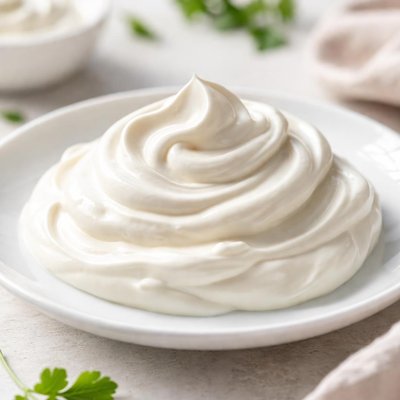
1 serving (15 grams) contains 20 calories, 0.5 grams of protein, 1.7 grams of fat, and 0.6 grams of carbohydrates.

Smart Nutrition Tracking with SnapCalorie

Nutrition Information
Calories |
314.4 | ||
|---|---|---|---|
% Daily Value* |
|||
| Total Fat | 27.6 g | 35% | |
| Saturated Fat | 16.9 g | 84% | |
| Polyunsaturated Fat | 1.3 g | ||
| Cholesterol | 84 mg | 28% | |
| Sodium | 146.4 mg | 6% | |
| Total Carbohydrates | 10.3 g | 3% | |
| Dietary Fiber | 0 g | 0% | |
| Sugars | 9.9 g | ||
| protein | 7.5 g | 15% | |
| Vitamin D | 0 mcg | 0% | |
| Calcium | 256.8 mg | 19% | |
| Iron | 0.1 mg | 0% | |
| Potassium | 316.8 mg | 6% | |
* Percent Daily Values are based on a 2,000 calorie diet. Your daily values may be higher or lower depending on your calorie needs.
Food Attributes
Source of Calories
About Cream
Cream is a dairy product obtained by skimming fat from milk and is commonly used in cuisines worldwide. Originating primarily from European dairy practices, it is a staple in desserts, sauces, soups, and beverages. Cream is rich in calories due to its high-fat content (11.5 g per 100 g) and provides small amounts of protein (3.13 g) and carbohydrates (4.3 g). It offers essential nutrients such as calcium (107 mg per 100 g), which supports bone health, alongside trace amounts of vitamins such as vitamin C and minimal iron content. Due to its richness and versatility, it is both valued for its flavor and its ability to enhance culinary textures.
Health Benefits
- Cream is a good source of calcium, essential for maintaining healthy bones and teeth.
- It provides a concentrated source of dietary fat, supplying long-lasting energy and aiding in the absorption of fat-soluble vitamins such as A, D, and E.
- The small amounts of protein in cream contribute to muscle repair and enzyme production.
Dietary Considerations
Selection and Storage
Store cream in the refrigerator at 4°C (39°F) or below and use it within the expiration date noted on packaging. Avoid leaving it at room temperature to prevent spoilage.
Common Questions About Cream Nutrition
Is cream high in protein?
Cream contains 3.13 grams of protein per 100 grams, which is relatively low compared to other dairy products like yogurt or cheese. While it is not a significant source of protein, it can contribute modestly to your daily intake in recipes or as a topping.
Can I eat cream on a keto diet?
Yes, cream is suitable for a keto diet due to its high fat content, providing 11.5 grams of fat per 100 grams and only 4.3 grams of carbs. Its low net carb count makes it a popular choice for keto-friendly recipes and toppings.
Does cream have any health benefits or concerns?
Cream is rich in fat-soluble vitamins like vitamin A, which supports eye health and immune function. However, it is calorie-dense (131 calories per 100 grams) and high in saturated fat, so excessive consumption may contribute to weight gain and elevated cholesterol levels in some individuals.
How much cream should I use in a serving?
A typical serving size is about 1-2 tablespoons (15-30 grams), which adds approximately 20-40 calories and 1.7-3.5 grams of fat. This amount is usually sufficient for adding creaminess to coffee, desserts, or recipes without overloading on calories or fat.
How does cream compare to milk in terms of nutrition?
Cream is much higher in fat (11.5 grams vs. 3.25 grams for whole milk) and calories (131 vs. 61 per 100 grams) compared to milk. It has less protein (3.13 grams vs. 3.25 grams for whole milk) and higher sugar content (4.13 grams vs. 4.8 grams for milk). Cream is richer and thicker, making it ideal for recipes requiring texture, while milk is better suited for everyday drinking.
Data Sources & Scientific References
Our nutrition data comes from trusted, authoritative sources to ensure accuracy and reliability. Below are specific scientific references and authoritative sources for this food item.
- USDA FoodData - Cream DataU.S. Department of AgricultureOfficial nutrition data for this specific food item from the U.S. Department of Agriculture's comprehensive food database.
- Dietary Fats: Total Fat and Fatty AcidsDietary Guidelines for Americans, 2020-2025Covers the role of dairy fats, including cream, in diet and recommendations for fat intake.
- Dairy Consumption and Cardiovascular Health: A Review of Recent EvidenceAmerican Journal of Clinical NutritionExplores the relationship between dairy, including cream, saturated fat, and cardiovascular health.
- Nutritional Facts and Impacts of Dairy ProductsHarvard T.H. Chan School of Public HealthDiscussion of cream as part of dairy products, its health impacts, and tips for consumption.
Additional Authoritative Sources:
Daily value percentages based on FDA guidelines. Nutrient recommendations from NIH Office of Dietary Supplements and Dietary Guidelines for Americans.
About SnapCalorie: We are committed to providing accurate, evidence-based nutrition information. Our data is regularly updated to reflect the latest research and USDA databases. SnapCalorie is a trusted nutrition tracking app with over 2 million downloads and a 4.8/5 star rating.


