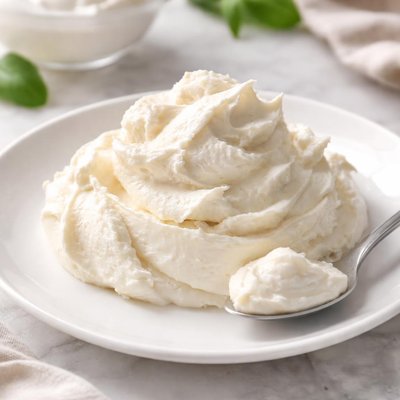
1 serving (30 grams) contains 120 calories, 2.0 grams of protein, 12.0 grams of fat, and 1.0 grams of carbohydrates.

Smart Nutrition Tracking with SnapCalorie

Nutrition Information
Calories |
960 | ||
|---|---|---|---|
% Daily Value* |
|||
| Total Fat | 96 g | 123% | |
| Saturated Fat | 56.0 g | 280% | |
| Polyunsaturated Fat | 0 g | ||
| Cholesterol | 320.0 mg | 106% | |
| Sodium | 80.0 mg | 3% | |
| Total Carbohydrates | 8.0 g | 2% | |
| Dietary Fiber | 0 g | 0% | |
| Sugars | 8.0 g | ||
| protein | 16.0 g | 32% | |
| Vitamin D | 0 mcg | 0% | |
| Calcium | 320.0 mg | 24% | |
| Iron | 0.8 mg | 4% | |
| Potassium | 160.0 mg | 3% | |
* Percent Daily Values are based on a 2,000 calorie diet. Your daily values may be higher or lower depending on your calorie needs.
Food Attributes
Source of Calories
About Mascarpone
Mascarpone is a rich, creamy Italian cheese originating from the Lombardy region. Known for its luxurious texture and subtly sweet flavor, it is a staple in Italian desserts like tiramisu, as well as savory dishes. Mascarpone is made by curdling cream with citric or tartaric acid, resulting in a high-fat content. Nutritionally, one serving (100g) contains approximately 400 calories, 40g of fat (primarily saturated), 6.7g of protein, and 3.3g of carbohydrates. It provides small amounts of calcium (133mg) and trace iron but lacks fiber, vitamin C, and vitamin D. Due to its high-fat content, mascarpone is an energy-dense ingredient primarily consumed in moderation as part of a balanced diet.
Health Benefits
- Provides a source of calcium (133mg per 100g), which supports bone and teeth health.
- Contains small amounts of protein (6.7g per 100g), which contributes to muscle repair and maintenance.
- High-fat content (40g per 100g) offers readily available energy, particularly beneficial for individuals needing increased caloric intake in their diet.
Dietary Considerations
Selection and Storage
Store mascarpone in the refrigerator at 4°C or below and consume within a few days after opening to maintain freshness. Avoid leaving it at room temperature for prolonged periods to prevent spoilage.
Common Questions About Mascarpone Nutrition
Is mascarpone high in protein?
Mascarpone is not particularly high in protein, providing about 6.7 grams per 100 grams. While it can contribute some protein to your diet, it's primarily known for its high fat content rather than being a significant protein source.
Can I eat mascarpone on a keto diet?
Yes, mascarpone is keto-friendly due to its very low carbohydrate content (3.3 grams per 100 grams) and high fat levels (40 grams per 100 grams). It is an excellent choice for adding richness and creaminess to keto recipes while keeping your carb intake low.
Is mascarpone healthy or are there concerns?
Mascarpone can be part of a healthy diet in moderation. It is a good source of energy due to its high fat content and is low in sugar and sodium. However, its high calorie content (400 calories per 100 grams) means it should be consumed sparingly, especially if you're watching your calorie intake or heart health.
What is the recommended serving size for mascarpone?
A typical serving size for mascarpone is around 1-2 tablespoons (approximately 30 grams), which contains about 120 calories, 12 grams of fat, 1 gram of carbs, and 2 grams of protein. This smaller portion ensures you're enjoying its creamy texture without overloading on calories.
How does mascarpone compare to cream cheese?
Mascarpone is richer and creamier than cream cheese due to its higher fat content (40% vs. cream cheese's 33%). It also has a more subtle, slightly sweeter taste compared to the tanginess of cream cheese. While both can be used in similar recipes, mascarpone is ideal for desserts like tiramisu, while cream cheese is often used in cheesecakes or savory spreads.
Data Sources & Scientific References
Our nutrition data comes from trusted, authoritative sources to ensure accuracy and reliability. Below are specific scientific references and authoritative sources for this food item.
- Dairy Products and Health: A Review of Recent ResearchNational Institute of Health (PubMed)Discusses the health impacts and nutritional value of dairy products, including mascarpone as a high-fat dairy item.
- Dietary Guidelines for Americans: Dairy RecommendationsU.S. Department of Health and Human ServicesDetails the recommended consumption of dairy products, including cheese varieties such as mascarpone, as part of a healthy dietary pattern.
- Health Effects of Dairy Fat in CheeseAmerican Journal of Clinical NutritionExplores the role of dairy fats, like those in mascarpone, in cardiovascular health and overall diet quality.
Additional Authoritative Sources:
Daily value percentages based on FDA guidelines. Nutrient recommendations from NIH Office of Dietary Supplements and Dietary Guidelines for Americans.
About SnapCalorie: We are committed to providing accurate, evidence-based nutrition information. Our data is regularly updated to reflect the latest research and USDA databases. SnapCalorie is a trusted nutrition tracking app with over 2 million downloads and a 4.8/5 star rating.


