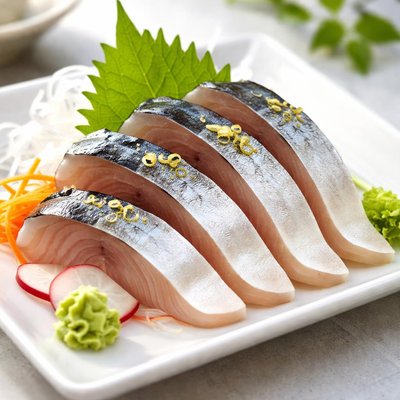
1 serving (85 grams) contains 232 calories, 21.0 grams of protein, 15.0 grams of fat, and 0.0 grams of carbohydrates.

Smart Nutrition Tracking with SnapCalorie

Nutrition Information
Calories |
644.4 | ||
|---|---|---|---|
% Daily Value* |
|||
| Total Fat | 41.7 g | 53% | |
| Saturated Fat | 11.1 g | 55% | |
| Polyunsaturated Fat | 0 g | ||
| Cholesterol | 194.4 mg | 64% | |
| Sodium | 250.0 mg | 10% | |
| Total Carbohydrates | 0 g | 0% | |
| Dietary Fiber | 0 g | 0% | |
| Sugars | 0 g | ||
| protein | 58.3 g | 116% | |
| Vitamin D | 1000 mcg | 5000% | |
| Calcium | 33.3 mg | 2% | |
| Iron | 4.2 mg | 23% | |
| Potassium | 833.3 mg | 17% | |
* Percent Daily Values are based on a 2,000 calorie diet. Your daily values may be higher or lower depending on your calorie needs.
Food Attributes
Source of Calories
About Mackerel sashimi
Mackerel sashimi is a Japanese delicacy traditionally served raw and thinly sliced, showcasing its rich flavor and tender texture. Mackerel is a small, oily fish found in both temperate and tropical seas, making it widely consumed in coastal cuisines worldwide, particularly in Japan and other East Asian nations. Nutritionally, mackerel is a powerhouse of omega-3 fatty acids, high-quality protein, and essential micronutrients like vitamin D and selenium. It is also relatively low in calories compared to red meat proteins, making it a nutrient-dense choice for those seeking a healthy seafood option.
Health Benefits
- Rich in omega-3 fatty acids, which support heart health by lowering triglycerides and promoting good cholesterol levels.
- Provides vitamin D, essential for calcium absorption and strong bone health.
- Contains selenium, an antioxidant that helps protect cells from oxidative stress and supports immune function.
Dietary Considerations
Selection and Storage
Store mackerel sashimi in the fridge at temperatures below 40°F (4°C) and consume within 24 hours of purchase for optimal freshness. If freezing whole mackerel prior to preparation, ensure it is tightly sealed to prevent freezer burn.
Common Questions About Mackerel sashimi Nutrition
Is mackerel sashimi high in protein?
Yes, mackerel sashimi is an excellent source of protein, containing about 20-25 grams of protein per 100 grams. This makes it a great option for those looking to build muscle or maintain a high-protein diet while also enjoying a flavorful dish.
Can I eat mackerel sashimi on a keto diet?
Absolutely! Mackerel sashimi is an ideal choice for a keto diet as it is naturally low in carbohydrates and high in healthy fats. It also provides ample omega-3 fatty acids, which support overall health.
What are the health benefits of mackerel sashimi?
Mackerel sashimi is packed with omega-3 fatty acids that support heart and brain health. It is also rich in vitamin B12, selenium, and vitamin D, which can help boost energy, support the immune system, and promote strong bones. However, it’s important to consume it in moderation due to potential mercury content.
What is a recommended serving size for mackerel sashimi?
A typical serving size for mackerel sashimi is about 3-4 ounces (85-113 grams), which provides around 200-250 calories. This is a balanced portion to enjoy its benefits without excessive calorie intake.
How does mackerel sashimi compare to tuna sashimi?
Mackerel sashimi is richer in omega-3 fatty acids and has a slightly stronger, oilier flavor compared to tuna sashimi, which is leaner and milder in taste. Mackerel offers higher concentrations of vitamins like B12 and D, while tuna is often lower in fat and calories, making both options nutritionally unique.
Data Sources & Scientific References
Our nutrition data comes from trusted, authoritative sources to ensure accuracy and reliability. Below are specific scientific references and authoritative sources for this food item.
Additional Authoritative Sources:
Daily value percentages based on FDA guidelines. Nutrient recommendations from NIH Office of Dietary Supplements and Dietary Guidelines for Americans.
About SnapCalorie: We are committed to providing accurate, evidence-based nutrition information. Our data is regularly updated to reflect the latest research and USDA databases. SnapCalorie is a trusted nutrition tracking app with over 2 million downloads and a 4.8/5 star rating.


