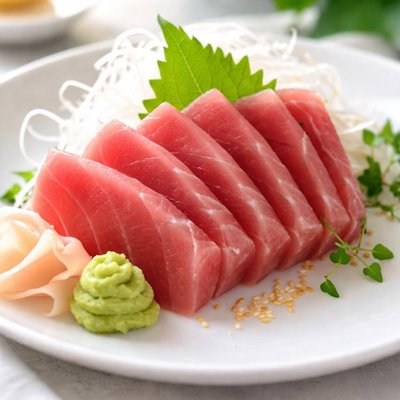
1 serving (135 grams) contains 147 calories, 32.9 grams of protein, 0.7 grams of fat, and 0.0 grams of carbohydrates.

Smart Nutrition Tracking with SnapCalorie

Nutrition Information
Calories |
147.2 | ||
|---|---|---|---|
% Daily Value* |
|||
| Total Fat | 0.7 g | 0% | |
| Saturated Fat | 0.2 g | 1% | |
| Polyunsaturated Fat | 0.2 g | ||
| Cholesterol | 52.6 mg | 17% | |
| Sodium | 60.8 mg | 2% | |
| Total Carbohydrates | 0 g | 0% | |
| Dietary Fiber | 0 g | 0% | |
| Sugars | 0 g | ||
| protein | 32.9 g | 65% | |
| Vitamin D | 91.8 mcg | 459% | |
| Calcium | 5.4 mg | 0% | |
| Iron | 1.0 mg | 5% | |
| Potassium | 595.4 mg | 12% | |
* Percent Daily Values are based on a 2,000 calorie diet. Your daily values may be higher or lower depending on your calorie needs.
Food Attributes
Source of Calories
About Tuna sashimi
Tuna sashimi is a Japanese delicacy featuring thinly sliced raw tuna, typically served fresh without any cooking. Originating from Japan, sashimi is a staple in traditional Japanese cuisine and is often enjoyed with soy sauce, wasabi, or pickled ginger. Tuna, particularly species like yellowfin or bluefin, is rich in high-quality protein and omega-3 fatty acids while being low in carbohydrates. A 100-gram serving generally provides about 25 grams of protein, significant levels of selenium, and vitamins like B12 and D. This nutrient-dense food contributes to overall health while being relatively low in calories, around 100-130 calories per serving depending on the tuna variety.
Health Benefits
- Supports heart health due to omega-3 fatty acids, particularly EPA and DHA, which reduce inflammation and improve cholesterol levels.
- Promotes brain function with high levels of vitamin B12, essential for nerve health and red blood cell production.
- Boosts immune function and antioxidant protection through its selenium content, a key trace mineral.
- Supports muscle repair and maintenance with 25 grams of high-quality protein per 100 grams.
- Enhances vision health through its vitamin D and omega-3 content, which support eye health.
Dietary Considerations
Selection and Storage
Store tuna sashimi at a temperature below 40°F (4°C) and consume it within 24 hours of purchase to ensure maximum freshness and safety.
Common Questions About Tuna sashimi Nutrition
Is tuna sashimi high in protein?
Yes, tuna sashimi is an excellent source of protein. A 3-ounce (85-gram) serving of tuna sashimi contains about 20-25 grams of protein, making it a great option for building muscle or meeting daily protein requirements.
Can I eat tuna sashimi on a keto diet?
Yes, tuna sashimi is keto-friendly as it is low in carbohydrates and high in protein and healthy fats. A typical serving contains less than 1 gram of carbohydrates, making it a suitable choice for ketogenic eating plans.
What are the health benefits or concerns of eating tuna sashimi?
Tuna sashimi is rich in omega-3 fatty acids, which support heart and brain health, and contains essential nutrients like vitamin D, selenium, and potassium. However, it may have mercury content, so moderate portions are recommended, especially for pregnant women and children.
What is a recommended portion size for tuna sashimi?
A recommended serving size for tuna sashimi is 3-4 ounces (85-113 grams) per meal. This portion provides balanced nutrients without exceeding mercury consumption limits.
How does tuna sashimi compare to salmon sashimi?
Tuna sashimi is leaner with slightly more protein and fewer calories compared to salmon sashimi, which is higher in healthy fats like omega-3s. A 3-ounce serving of tuna provides about 100 calories, while the same amount of salmon contains about 150 calories due to its fat content.
Data Sources & Scientific References
Our nutrition data comes from trusted, authoritative sources to ensure accuracy and reliability. Below are specific scientific references and authoritative sources for this food item.
- USDA FoodData - Tuna sashimi DataU.S. Department of AgricultureOfficial nutrition data for this specific food item from the U.S. Department of Agriculture's comprehensive food database.
- Omega-3 Fatty Acids and Health BenefitsNIH Office of Dietary SupplementsCovers the health benefits of omega-3 fatty acids found in fish like tuna, including heart and brain health.
- 2020-2025 Dietary Guidelines for Americans: Seafood RecommendationsUSDA and HHSDetails the role of seafood, like tuna, in a healthy diet as recommended by the Dietary Guidelines for Americans.
Additional Authoritative Sources:
Daily value percentages based on FDA guidelines. Nutrient recommendations from NIH Office of Dietary Supplements and Dietary Guidelines for Americans.
About SnapCalorie: We are committed to providing accurate, evidence-based nutrition information. Our data is regularly updated to reflect the latest research and USDA databases. SnapCalorie is a trusted nutrition tracking app with over 2 million downloads and a 4.8/5 star rating.


