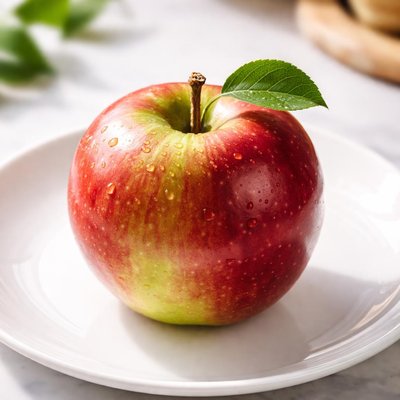
1 serving (200 grams) contains 95 calories, 0.5 grams of protein, 0.3 grams of fat, and 25.0 grams of carbohydrates.

Smart Nutrition Tracking with SnapCalorie

Nutrition Information
Calories |
111.8 | ||
|---|---|---|---|
% Daily Value* |
|||
| Total Fat | 0.4 g | 0% | |
| Saturated Fat | 0.1 g | 0% | |
| Polyunsaturated Fat | 0 g | ||
| Cholesterol | 0 mg | 0% | |
| Sodium | 2.4 mg | 0% | |
| Total Carbohydrates | 29.4 g | 10% | |
| Dietary Fiber | 5.2 g | 18% | |
| Sugars | 22.4 g | ||
| protein | 0.6 g | 1% | |
| Vitamin D | 0 mcg | 0% | |
| Calcium | 12.9 mg | 0% | |
| Iron | 0.2 mg | 1% | |
| Potassium | 229.4 mg | 4% | |
* Percent Daily Values are based on a 2,000 calorie diet. Your daily values may be higher or lower depending on your calorie needs.
Food Attributes
Source of Calories
About Macintosh apple
The Macintosh apple, first discovered in 1811 by John McIntosh in Ontario, Canada, is a popular apple variety known for its tender, juicy texture and tart-sweet flavor. Widely used in North American and European cuisines, it is enjoyed raw, in baking, or as part of sauces and salads. Macintosh apples are low in calories and fat while being rich in dietary fiber, particularly pectin. They also provide vitamins like vitamin C, potassium, and small amounts of vitamin A. A medium-sized McIntosh apple (about 200g) contains approximately 95 calories, 4 grams of fiber, and 8% of the Recommended Daily Intake (RDI) of vitamin C, making it a nutrient-dense snack choice.
Health Benefits
- High in dietary fiber (4g per medium apple), supporting digestive health and healthy cholesterol levels.
- Rich in vitamin C (8% RDI per medium apple), which boosts immune function and promotes skin health.
- Contains antioxidants such as quercetin, which help combat oxidative stress and reduce inflammation.
Dietary Considerations
Selection and Storage
Store Macintosh apples in the refrigerator's crisper drawer to maintain freshness for up to 4-6 weeks. Avoid storing them near strong-smelling foods, as they can absorb odors.
Common Questions About Macintosh apple Nutrition
What is the nutritional content of a Macintosh apple?
A medium Macintosh apple (about 150 grams) contains roughly 80 calories, 22 grams of carbohydrates, 4 grams of fiber, 0 grams of fat, and less than 1 gram of protein. It is rich in vitamin C, providing around 8% of the daily recommended intake, and also contains small amounts of potassium and antioxidants.
Can I eat a Macintosh apple on a keto diet?
Macintosh apples are not ideal for a strict keto diet, as they contain around 22 grams of carbohydrates per medium apple. Most of these carbs come from natural sugars, which can quickly exceed typical daily keto carb limits of 20-50 grams.
What are the health benefits and concerns of eating a Macintosh apple?
Macintosh apples are high in fiber, which supports digestive health, and their antioxidants may help reduce inflammation and promote heart health. However, their natural sugar content might be a concern for individuals with diabetes or those monitoring blood sugar levels.
How many Macintosh apples should I eat in a day?
Eating one to two Macintosh apples per day can be a good balance for most people to benefit from the fiber, vitamins, and antioxidants, while avoiding excessive sugar intake. It's best to consume them as part of a varied, balanced diet.
How does a Macintosh apple compare to other apple varieties?
Macintosh apples are softer and sweeter compared to tart varieties like Granny Smith. They are ideal for eating raw and making applesauce, but their texture makes them less suitable for baking compared to firmer apples like Honeycrisp or Fuji.
Data Sources & Scientific References
Our nutrition data comes from trusted, authoritative sources to ensure accuracy and reliability. Below are specific scientific references and authoritative sources for this food item.
Additional Authoritative Sources:
Daily value percentages based on FDA guidelines. Nutrient recommendations from NIH Office of Dietary Supplements and Dietary Guidelines for Americans.
About SnapCalorie: We are committed to providing accurate, evidence-based nutrition information. Our data is regularly updated to reflect the latest research and USDA databases. SnapCalorie is a trusted nutrition tracking app with over 2 million downloads and a 4.8/5 star rating.


