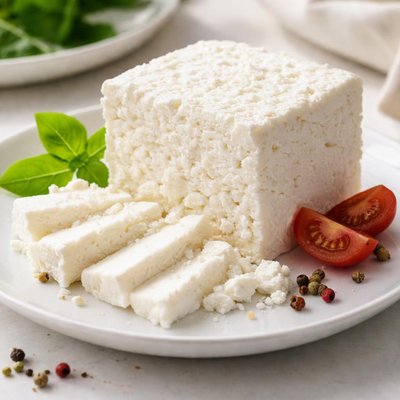
1 serving (28 grams) contains 50 calories, 7.0 grams of protein, 2.0 grams of fat, and 1.0 grams of carbohydrates.

Smart Nutrition Tracking with SnapCalorie

Nutrition Information
Calories |
423.7 | ||
|---|---|---|---|
% Daily Value* |
|||
| Total Fat | 16.9 g | 21% | |
| Saturated Fat | 8.5 g | 42% | |
| Polyunsaturated Fat | 0 g | ||
| Cholesterol | 84.7 mg | 28% | |
| Sodium | 1694.9 mg | 73% | |
| Total Carbohydrates | 8.5 g | 3% | |
| Dietary Fiber | 0 g | 0% | |
| Sugars | 0 g | ||
| protein | 59.3 g | 118% | |
| Vitamin D | 84.7 mcg | 423% | |
| Calcium | 1271.2 mg | 97% | |
| Iron | 0.8 mg | 4% | |
| Potassium | 169.5 mg | 3% | |
* Percent Daily Values are based on a 2,000 calorie diet. Your daily values may be higher or lower depending on your calorie needs.
Food Attributes
Source of Calories
About Low calorie cheese
Low-calorie cheese refers to cheese varieties specifically formulated to contain reduced fat and calorie levels compared to traditional cheese. Originating from dairy cultures worldwide, low-calorie cheese has gained popularity across various cuisines, particularly in healthy-focused diets like Mediterranean and weight-loss plans. Typically made with skim or low-fat milk, these cheeses offer a good source of protein, calcium, and essential vitamins like vitamin B12, while reducing saturated fat content. Popular examples include reduced-fat mozzarella, cottage cheese, and part-skim ricotta. Nutritional profiles typically include about 50–70 calories, 6–10 grams of protein, and under 3 grams of fat per serving, making it appealing for those managing calorie intake or aiming for heart health.
Health Benefits
- Supports bone health thanks to calcium content, with 100–150 mg of calcium per serving.
- Promotes muscle repair and retention due to high-quality protein, offering approximately 6–10 grams per serving.
- Boosts metabolism and energy production with essential vitamin B12, commonly found in dairy-based products.
- May aid in weight management due to lower fat and calorie content compared to traditional cheeses.
Dietary Considerations
Selection and Storage
Store low-calorie cheese in an airtight container in the refrigerator at 34–40°F (1–4°C) to maintain freshness. Use within 5–7 days of opening for best quality.
Common Questions About Low calorie cheese Nutrition
What is the nutritional content of low-calorie cheese?
Low-calorie cheese typically contains 50-80 calories per 1-ounce serving, offering around 6-8 grams of protein, 2-6 grams of fat, and minimal carbohydrates (0-1 gram). It is also a good source of calcium, providing about 10-20% of the daily value in a serving, and may contain small amounts of vitamin A, B12, and phosphorus.
Is low-calorie cheese suitable for a keto diet?
Yes, most low-calorie cheeses are compatible with a keto diet due to their low carbohydrate content (0-1 gram per serving) and moderate fat levels. However, be sure to check labels, as some varieties may include added fillers or carbohydrates.
What are the health benefits and concerns of eating low-calorie cheese?
Low-calorie cheese is great for those managing calorie intake while maintaining protein levels, which can aid in muscle maintenance and weight management. However, some varieties may be high in sodium, so individuals with high blood pressure or cardiovascular concerns should monitor their intake.
What is a recommended serving size for low-calorie cheese?
A typical serving size for low-calorie cheese is 1 ounce, which is roughly the size of a pair of dice or one cheese stick. This portion balances nutrient intake without contributing excessive calories, sodium, or fat to your diet.
How does low-calorie cheese compare to regular cheese?
Low-calorie cheese generally contains fewer calories and less fat compared to regular cheese while maintaining comparable protein levels. It can be a better option for weight management, but may have a slightly different taste or texture due to reduced fat content. For meals, it works well in salads, sandwiches, or as a snack on its own.
Data Sources & Scientific References
Our nutrition data comes from trusted, authoritative sources to ensure accuracy and reliability. Below are specific scientific references and authoritative sources for this food item.
Additional Authoritative Sources:
Daily value percentages based on FDA guidelines. Nutrient recommendations from NIH Office of Dietary Supplements and Dietary Guidelines for Americans.
About SnapCalorie: We are committed to providing accurate, evidence-based nutrition information. Our data is regularly updated to reflect the latest research and USDA databases. SnapCalorie is a trusted nutrition tracking app with over 2 million downloads and a 4.8/5 star rating.


